
Easter Island, known locally as Rapa Nui, is a globally famous destination renowned for its fascinating culture and iconic Moai statues. Figuring out how to travel to Easter Island requires some upfront preparation, but the breathtaking natural landscapes and archaeological wonders are entirely worth the effort.
Proper travel planning is incredibly important because it saves you valuable time, minimizes unexpected costs, and helps you avoid confusion at the airport. In this guide, you will learn everything from required documents and flight costs to essential travel tips and local customs. Getting around the island is relatively straightforward once you arrive, with options ranging from rental cars to guided tours. You can easily turn this bucket-list dream into a well-organized reality.
Best Time to Visit & Seasonal Weather
The most favorable months to visit this remote Pacific island are during the shoulder seasons of April to June and October to December. During these periods, the weather remains pleasantly mild, offering comfortable temperatures and lower humidity levels perfect for outdoor exploration. The peak summer season runs from January to March, bringing warmer weather but also occasional tropical rainfall and significantly larger crowds. Visiting during the off-season winter months means cooler breezes and unpredictable showers, though it rewards budget travelers with cheaper accommodations. If you enjoy cultural events, February is spectacular because the island hosts the famous Tapati Rapa Nui festival.
Visa & Entry Requirements for Tourists
Tourists from many countries, including the United States, Canada, and most European nations, can visit visa-free for up to 90 days. Your passport must remain valid for at least six months beyond your planned date of departure from the island. You will need to show a confirmed return ticket and a valid hotel reservation at an accommodation officially registered with the local tourism board. The entry process includes filling out a specific entry form required by the Chilean government before you are allowed to board your flight. There are strict rules regarding how long you can stay, as the government limits tourist visits to protect the island’s delicate ecosystem.
Travel Requirements
Carrying the right essential documents is crucial, starting with your passport, a valid ID, and the completed Single Entry Form (FUI). While no specific vaccinations are legally required for entry, carrying basic travel insurance that covers medical evacuations is highly recommended given the island’s remote location. You must present your return or onward flight ticket at the check-in counter before departing from the mainland. Proof of accommodation at a Sernatur-registered hotel or guest house is strictly enforced, and you may be asked to show financial proof like a credit card. Customs restrictions are strict regarding agricultural products, so avoid packing fresh fruits or seeds in your luggage.
How to Get There
The only gateway for air travelers is Mataveri International Airport, which holds the title of the most remote commercial airport in the world. Visitors typically reach this isolated destination by flying directly from Santiago, the capital city of Chile, which serves as the primary connection point. LATAM Airlines operates the only regular commercial flights along this route, with the journey taking approximately five and a half hours. Flights are usually available daily, though the frequency can change depending on the season and global travel conditions. Reviewing a map before your trip helps you understand just how isolated the island is, situated thousands of miles off the South American coast.
6 Simple Steps to How to Travel to Easter Island
Step 1: Booking Your International and Domestic Flights
Securing your airfare is the most critical first move when planning your journey to this remote Pacific destination. You must fly into Santiago, Chile, before catching a connecting LATAM Airlines flight directly to Mataveri International Airport. The flight from Santiago takes about five and a half hours, and economy tickets generally range from mid-range to expensive depending on the season. This transportation step offers a high comfort level, as it is a major commercial airline with standard in-flight amenities. Booking several months in advance is the best approach for budget travelers looking to secure the lowest possible fares.
Step 2: Securing Officially Registered Accommodation
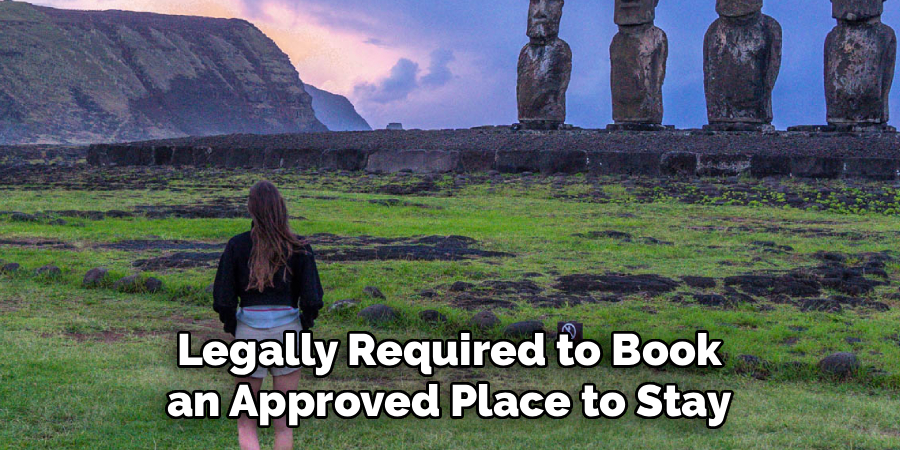
Before you can even board your flight, you are legally required to book an approved place to stay. The Chilean government mandates that all tourists hold confirmed reservations at accommodations registered with Sernatur, the national tourism board. Spending time comparing hotels and guesthouses online usually takes a few hours, with prices ranging from affordable hostels to luxury eco-lodges. This step ensures a high level of comfort upon arrival, as your host will often meet you directly at the airport. This requirement applies to absolutely everyone, so do not leave your hotel booking until the last minute.
Step 3: Completing the Single Entry Form
Fulfilling the administrative requirements is a mandatory step that guarantees your legal entry onto the island. You must fill out the Single Entry Form (FUI) online within 48 hours of your scheduled departure from Santiago. Completing this digital paperwork takes only about ten minutes, and there is no cost associated with submitting the form. The convenience level is high since it can be done entirely from your smartphone or laptop. This step is essential for all visitors, and keeping a digital screenshot of your confirmation barcode will speed up your airport check-in process.
Step 4: Purchasing the National Park Entrance Ticket
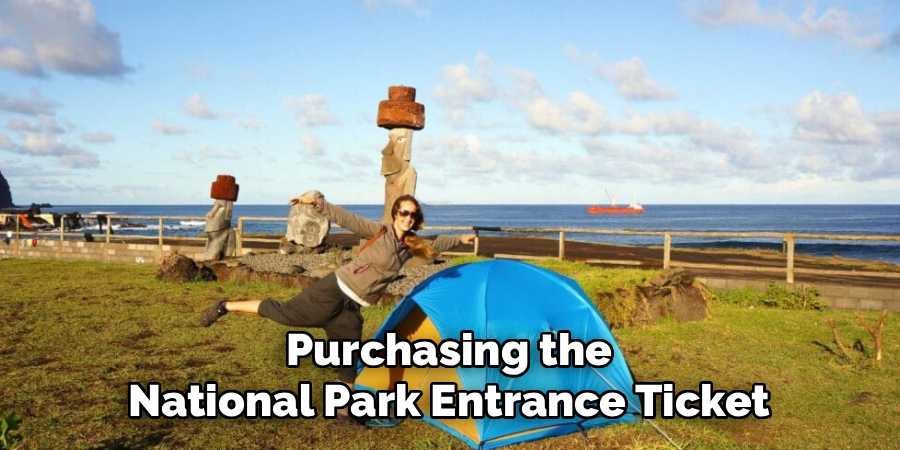
Exploring the famous archaeological sites requires an official entrance ticket to the Rapa Nui National Park. You can purchase this ticket online before your trip or buy it at the designated counters upon arriving at the airport. The pass costs a flat fee for international tourists and grants you access to the island’s historical sites for ten consecutive days. Buying it online provides a high level of convenience, saving you from waiting in physical lines after a long flight. This ticket is ideal for sightseeing enthusiasts, and you should always carry it with you while exploring.
Step 5: Arranging Your Airport Transfer
Organizing your transportation from Mataveri International Airport to your hotel is an important detail for a smooth arrival. Many registered hotels and guesthouses offer complimentary airport pickup services, greeting guests with traditional flower necklaces. If your accommodation does not provide this, pre-booking a local taxi ride takes just a few minutes and costs a reasonable local fee. This transfer method provides excellent comfort after a long day of flying, getting you to your room in less than fifteen minutes. Confirming this transfer ahead of time is perfect for travelers who prefer a completely stress-free arrival experience.
Step 6: Choosing Your Local Island Transportation
Deciding how you will navigate the island determines the pace and flexibility of your daily sightseeing adventures. You can rent a 4×4 vehicle, hire a scooter, or book guided minibus tours to visit the dispersed Moai sites. Renting a car gives you maximum flexibility and comfort, usually costing a moderate daily rate, while guided tours are better for learning the deep history. Vehicles are readily available in the main town, though booking ahead during the peak summer season is highly recommended. Renting your own vehicle is best for independent travelers who prefer moving at their own pace.
Pros and Cons of Each Travel Option
Flying is the only practical way to arrive, offering the incredible advantage of speed and direct access from the mainland. The main disadvantage of flying is the high cost of tickets and the strict monopoly held by a single airline, which limits schedule flexibility. Once on the island, renting a car offers unmatched freedom to explore remote sites, but it can be expensive and requires careful driving on unpaved roads. Taking guided group tours removes the stress of navigation and provides rich historical context, but restricts you to a rigid daily itinerary. Walking and cycling are eco-friendly and incredibly cheap, though they are physically demanding and impractical for reaching distant attractions.
Best Way to Travel
The absolute best way to experience the island is by booking your LATAM flight well in advance and renting a 4×4 vehicle upon arrival. This combination strikes the perfect balance between necessary logistics and the ultimate freedom to explore archaeological sites at sunrise or sunset. Having your own vehicle means you can avoid the crowded tour buses and experience the majestic statues in peaceful solitude. It caters to the average traveler’s need for reliability and convenience without relying entirely on expensive private guides. While it requires a moderate budget, the independence gained makes it the most rewarding travel strategy.
Top Attractions & Must-Visit Places
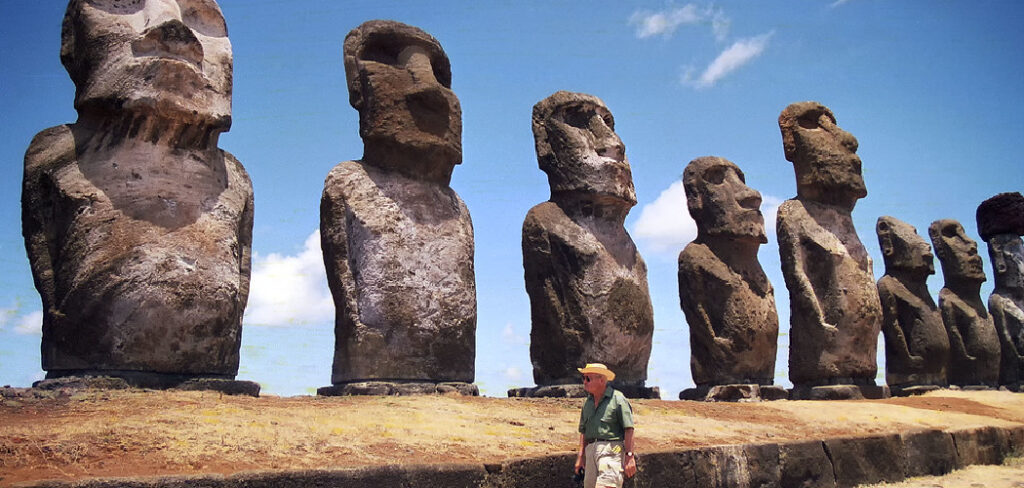
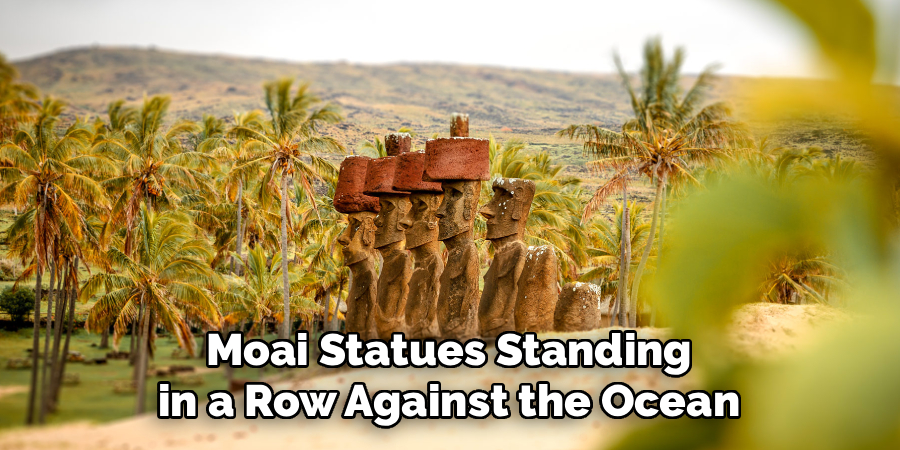
- Ahu Tongariki: The most majestic site featuring fifteen restored Moai statues standing in a row against the ocean backdrop.
- Rano Raraku: The fascinating volcanic quarry where the ancient statues were carved, with dozens of heads still half-buried in the hillside.
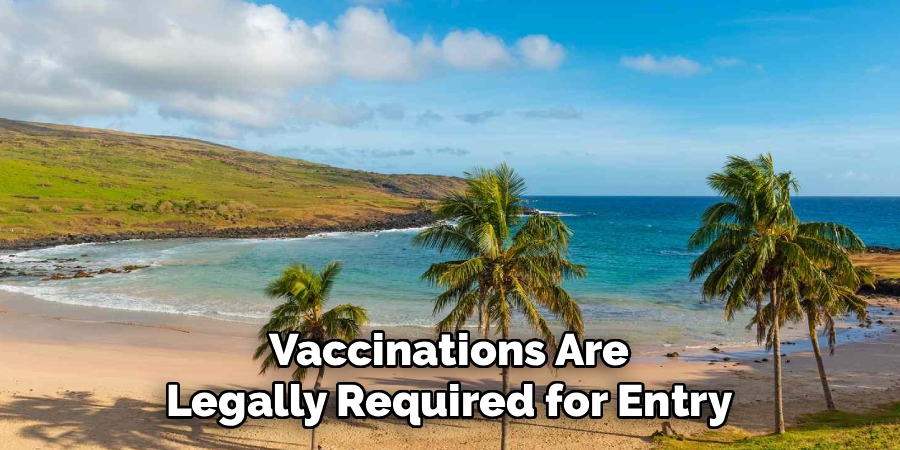
- Anakena Beach: A breathtaking white-sand beach featuring crystal-clear waters, gently swaying palm trees, and its own unique set of Moai.
- Orongo Ceremonial Village: Located on the edge of a dramatic volcanic crater, this site is famous for the historical Birdman cult competitions.
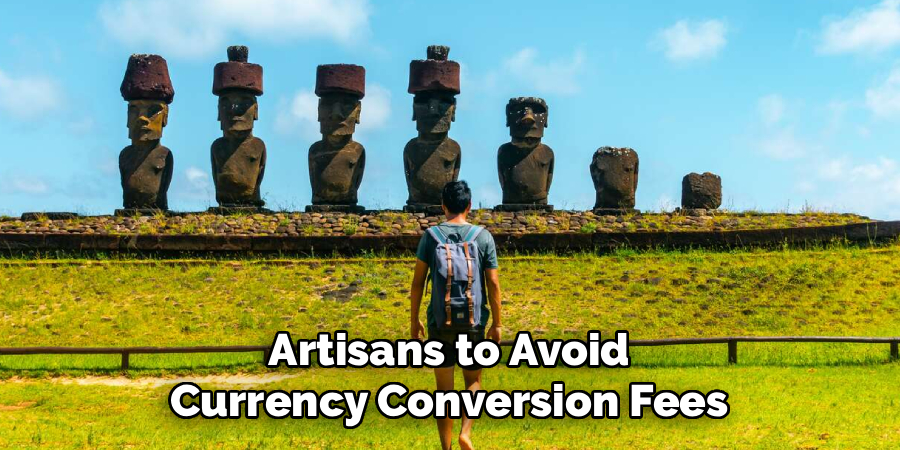
- Ahu Akivi: A unique archaeological site where the seven Moai statues are notably positioned facing outward toward the ocean.
Best Areas to Stay / Accommodation
Hanga Roa is the main town and serves as the best base for all visitors due to its central location. Budget travelers can easily find comfortable hostels and family-run guesthouses located within walking distance of the town’s main streets. Mid-range and luxury visitors have access to beautiful eco-resorts positioned slightly outside the town center, offering stunning ocean views and premium amenities. Staying in Hanga Roa ensures you are close to restaurants, grocery stores, and vehicle rental agencies. This area is exceptionally safe and highly recommended for first-time visitors seeking convenience and a welcoming local vibe.
Food & Local Cuisine
The local cuisine is a delicious blend of traditional Polynesian flavors and classic Chilean culinary influences. First-time visitors must try the tuna empanadas, which are a highly popular and affordable street food found throughout the main town. Ceviche made from freshly caught local fish is another staple, often prepared with a refreshing mix of lime and sweet potatoes. Meals range from budget-friendly bites at small food kiosks to moderately priced dinners at oceanfront restaurants. You can also experience the Umu Rapa Nui, a traditional meal cooked in an earth oven, which caters well to various dietary preferences.
Travel Cost & Time
Understanding the overall cost and time commitments helps you build a realistic and enjoyable itinerary. A budget traveler might spend a moderate daily amount by cooking meals and renting bicycles, while luxury travelers can expect high daily expenses for premium tours and dining. Transportation costs add up quickly if you rent a car daily, but sharing the rental with companions effectively reduces the burden. Travel times between major attractions are generally short, rarely taking more than thirty minutes driving from the main town. Visiting during the off-peak winter months drastically lowers accommodation prices, though occasional rain might slightly delay your daily sightseeing plans.
Estimated Budget & Money-Saving Tips with Currency
A mid-range daily budget generally covers comfortable accommodation, a rental vehicle, and dining at local restaurants. You can easily save money by booking your flights months early, traveling during shoulder seasons, and utilizing the island’s small grocery stores for snacks. The official local currency is the Chilean Peso (CLP), with one US Dollar exchanging roughly for 900 to 950 CLP. Credit and debit cards are widely accepted at hotels and larger restaurants, and ATMs are conveniently available around the main town of Hanga Roa. It is always wise to carry a small amount of cash in separate safe places for purchasing small souvenirs from local artisans to avoid currency conversion fees.
Connectivity: SIM Cards & Essential Travel Apps
Staying connected is possible, though the internet speeds are generally much slower than what you experience on the mainland. Entel is the primary telecom provider that works reliably here, and you can purchase a physical local SIM card at the Santiago airport before your flight. Data plans are relatively cheap and offer enough validity for a standard week-long vacation, though eSIM options for this specific provider are somewhat limited for tourists. You will need your passport to register the SIM card upon purchase. Downloading offline maps and translation apps before you leave home is highly recommended, as remote archaeological sites often lack cell service completely.
Language & Local Etiquette
The official language is Spanish, though the indigenous population proudly speaks the native Rapa Nui language. Basic English is understood at major hotels, dive shops, and tour agencies, but knowing a few Spanish phrases is highly beneficial. Greeting locals with a friendly “Iorana” (hello) and saying “Maururu” (thank you) shows immense respect for the vibrant local culture. General behavior should always remain respectful, especially around the sacred archaeological sites where touching the Moai statues is strictly forbidden. Casual and comfortable clothing is perfectly acceptable everywhere, though you should avoid being overly loud or disruptive in public spaces and national park areas.
Travel Tips
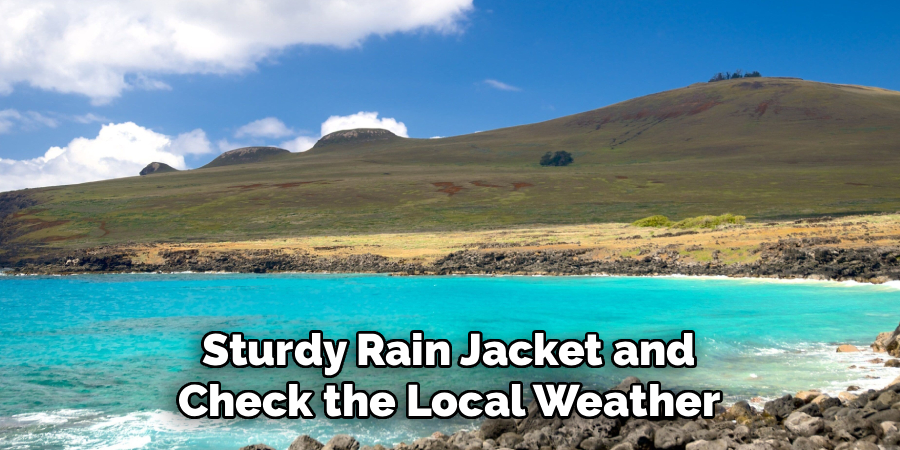
When researching how to travel to Easter Island, a few practical tips can make a huge difference in your overall experience. Planning your daily itinerary and booking your rental vehicle well in advance guarantees you will not be left stranded during busy months. Always arrive early at the airport in Santiago, as the check-in process requires document verification that can take extra time. Keep your national park ticket, passport, and entry forms organized in a secure, waterproof travel pouch. Pack light, breathable clothing, but always include a sturdy rain jacket and check the local weather forecast before heading out for the day.
Travel Safety, Common Scams & Mistakes to Avoid
This isolated destination is incredibly safe for tourists, boasting a very low crime rate and a tight-knit local community. Common tourist scams are virtually nonexistent here, though you should always verify the official credentials of independent tour guides before handing over cash. The biggest mistake visitors make is stepping off the marked trails or accidentally touching the ancient statues, which results in massive fines and immediate expulsion. Using official transport services and securing your valuables while swimming at Anakena beach are simple ways to ensure a trouble-free trip. Maintain a calm, respectful demeanor and treat the island’s heritage with the utmost care.
Safety & Health Precautions
Taking sensible health precautions ensures your island adventure remains comfortable and physically safe. Hydration is critical, and while the local tap water is generally considered safe, drinking bottled or filtered water is the smartest choice for sensitive stomachs. The tropical sun can be intensely punishing, so applying high-SPF sunscreen and wearing a wide-brimmed hat will protect you during long hours exploring the ruins. You should carry a small first-aid kit containing basic painkillers, band-aids, and any personal prescription medications. By making safe food choices and being cautious while hiking near rocky coastlines, you can avoid unnecessary injuries and illnesses.
Frequently Asked Questions
What is the cheapest way for how to travel to Easter Island?
The most cost-effective method is to book your LATAM flights several months in advance during the off-season. Staying in local hostels, cooking your own meals, and sharing a rental car with other travelers will keep your overall expenses remarkably low.
How many days should I plan to stay on the island?
Most travelers find that five to seven days is the perfect amount of time for a visit. This duration allows you to see all the major historical sites, enjoy the beaches, and experience the culture without feeling overly rushed.
Do I need to hire a local guide to see the attractions?
While you can explore many areas independently, hiring a registered local guide is highly recommended for your first couple of days. A guide provides essential historical context and ensures you understand the deep cultural significance of the ancient statues.

Conclusion
Understanding how to travel to Easter Island ensures a smooth, unforgettable journey to this remote paradise. The island offers a remarkably safe and enriching environment once you navigate the initial flight logistics and entry requirements. Taking the time to prepare your documents and respect the local guidelines transforms a potentially stressful planning process into an exciting adventure. Keep your camera ready, respect the ancient Moai, and embrace the magical atmosphere of Rapa Nui.

About
Ethan Brooks is a dedicated travel writer and tourism specialist with over a decade of experience exploring more than 150 countries. His professional focus centers on city routes and budget travel, where he combines real-world travel insights with efficient planning strategies.
Ethan is known for creating smart, well-structured travel systems that are practical, cost-effective, and easy to follow. As a core author at thetraveliy.com, he helps both first-time travelers and experienced explorers plan smooth, confident journeys.
Education
The University of Queensland (Australia) Bachelor’s Degree in Tourism Management
-
Focus: Global tourism systems, destination planning, and travel operations.
-
Specialization: Gained practical knowledge in travel logistics, itinerary development, and tourism industry structures.
Publications and Impact
At thetraveliy.com, Ethan Brooks publishes clear, structured, and experience-driven content focused on:
-
Transportation Logistics: Navigating complex transit systems with ease.
-
Itinerary Planning: Creating time-efficient schedules for any destination.
-
Budget-Friendly Solutions: Maximizing value without sacrificing the experience.
Ethan’s work simplifies complex travel decisions, making it easier for readers to plan efficient and affordable trips. By blending practical advice with real-world experience, he helps travelers create well-organized journeys while saving both time and money.