
Figuring out how to travel from Bergen to Lofoten is the first step to experiencing one of Norway’s most breathtaking coastal journeys. This route connects the cultural hub of the southwestern fjords to the dramatic, jagged peaks of the northern archipelago. It is incredibly popular among tourists and photographers seeking stunning scenic beauty and authentic Nordic charm.
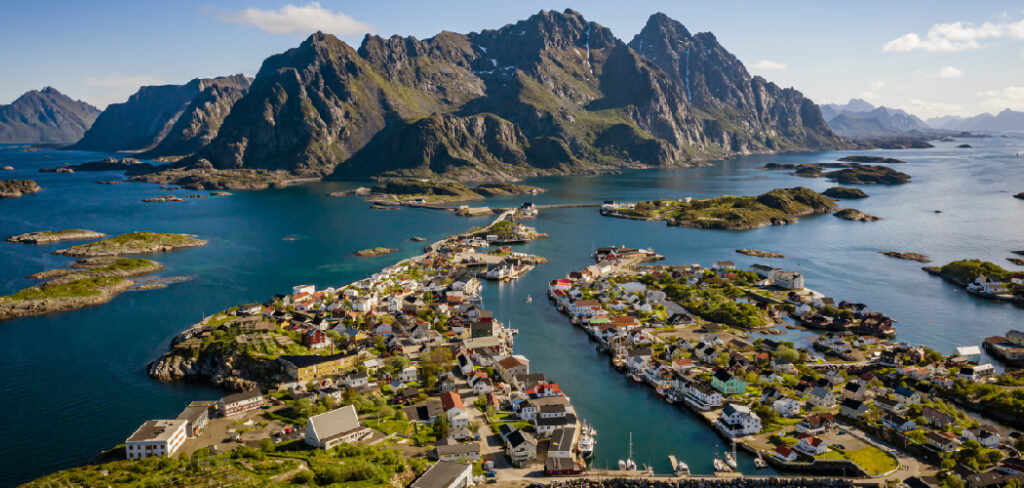
Planning this trip properly saves you time and money, ensuring your Arctic adventure remains completely stress-free. In this guide, you will learn the best ways to get there, including average costs, travel times, and highly useful seasonal tips. Whether you prefer a quick flight, a scenic train ride, or a coastal cruise, we have you covered.
How to Get There
Travelers usually start their journey at Bergen Airport, the main international gateway to the western fjord region. From there, you will find several different transportation methods to reach the northern islands. Major routes include domestic flights, the famous coastal ferry, or a combination of scenic trains and long-distance buses.
Flights are the most direct option, typically taking just a few hours with a connection in Oslo or Bodø. If you prefer taking the scenic route, the coastal ferry offers daily departures that gently cruise up the coastline over a few days. Checking a digital map will help you understand how these transit hubs connect along the rugged Norwegian coast.
6 Essential Steps on How to Travel From Bergen to Lofoten
Planning this Nordic journey involves breaking down your transportation choices into manageable phases. There are multiple ways to travel, depending on your preferred comfort level and timeline.
Step 1: Choose Your Transport
The first major decision is selecting your primary mode of transportation based on your vacation schedule. Flights offer the highest convenience and take just a few hours, though they are often the most expensive option. Budget travelers might prefer combining trains and buses, which requires more time but offers beautiful inland views. Those seeking medium comfort and maximum scenery should consider the coastal ferry, which operates daily. Decide what matters most to you, as winter schedules often have more limited availability than summer routes.
Step 2: Book Your Flights or Ferry
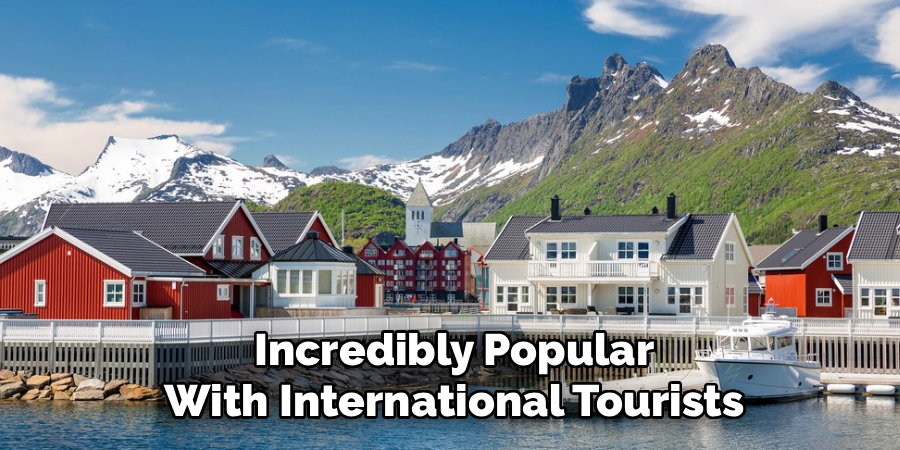
Once you select your method, booking early is highly recommended, especially during the busy summer months. If flying, you will typically book a route through Oslo or Bodø, arriving at small regional airports like Svolvær or Leknes. Ferry passengers should reserve their cabins well in advance, as the multi-day cruise is incredibly popular with international tourists. Both options offer comfortable amenities, but flights provide a much faster transition to the northern islands. Budget mid-range to high costs for these tickets, depending on the season.
Step 3: Plan Your Driving Route
If you decide to rent a car, the drive north is stunning but requires careful logistical planning. The journey covers over a thousand kilometers, meaning you will need several days to comfortably reach your destination. Driving offers the ultimate flexibility, allowing you to stop at hidden fjords and charming fishing villages along the way. Be prepared for high fuel costs and necessary toll roads throughout the country. This option is best for adventurous travelers who feel highly comfortable navigating narrow, winding mountain passes.
Step 4: Consider the Express Boat
For a unique combination of speed and coastal views, the express passenger boats are an excellent middle ground. While they do not run the entire length of the country, you can take a train to Bodø and catch a fast boat across the fjord. This transfer takes a few hours and provides medium comfort with spectacular views of the approaching mountain peaks. Tickets are reasonably priced and offer a reliable daily schedule, though winter weather can occasionally cause delays. It is a fantastic choice for mid-range budgets.
Step 5: Arrange Local Transfers
Reaching the northern region often means arriving at a transit hub that still requires local transport to your specific hotel. Buses run frequently between the main island towns, but schedules become sparse on weekends and during the darker winter months. Taxis are available but can be quite expensive, so booking a local rental car might be more practical. Knowing exactly how you will get from the airport or harbor to your accommodation prevents unnecessary travel anxiety. A little preparation makes arrival seamless.
Step 6: Finalize Your Itinerary
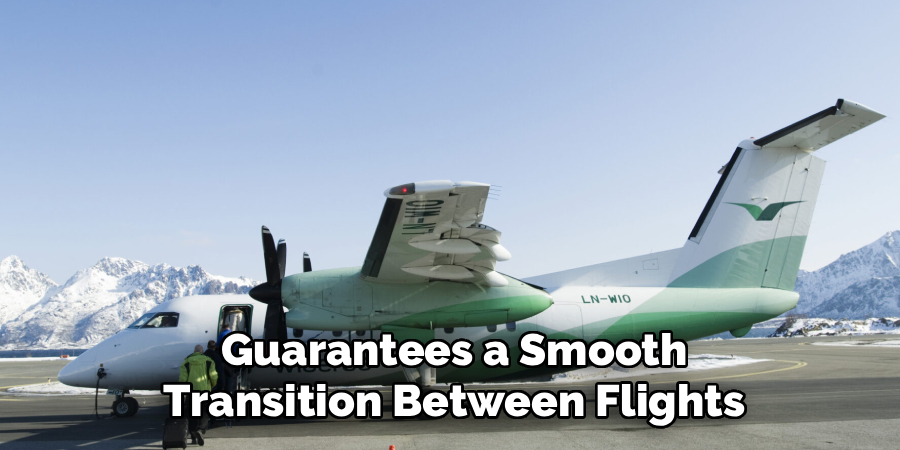
With your main transport booked, you can confidently piece together the final details of your Arctic adventure. Double-check all departure times, ensuring you have left plenty of buffer room for potential winter weather delays. Confirm that your chosen accommodations align with your arrival times, especially if reaching remote fishing cabins late at night. Reviewing the entire journey end-to-end guarantees a smooth transition between flights, ferries, and local buses. This final check ensures your trip is completely organized and ready to enjoy.
Pros and Cons of Each Travel Option
Every transportation method offers specific advantages and disadvantages that cater to different travel styles. Flying is incredibly fast and highly convenient, but it lacks the immersive sightseeing experience and costs more. The ferry provides an exceptionally comfortable, deeply scenic journey, yet it requires several days of travel time.
Driving gives you total freedom to explore remote areas, though it is physically tiring, and fuel is expensive. Trains and buses are highly affordable and eco-friendly, but schedules can be rigid with long transit hours. Weighing speed against sightseeing will help you pick the right path.
Best Way to Travel
Taking a domestic flight is generally the best overall choice for most international visitors. It offers a perfect balance of reliability, speed, and convenience, maximizing your actual vacation time in the archipelago. Connecting through Oslo or Bodø is seamless, and daily availability makes it easy to fit into any schedule.
While the coastal ferry is undeniably beautiful, the sheer time commitment makes it difficult for standard two-week vacations. Flying allows you to arrive fresh, energized, and ready to explore the stunning northern landscapes immediately.
Cheapest Way to Travel
Taking the train from the southwestern fjords up to Bodø, followed by a passenger ferry, is usually the lowest-cost travel option. This route takes over twenty-four hours of total travel time, but the ticket prices remain very budget-friendly. You will sacrifice some comfort by sleeping in transit, but the beautiful inland mountain views are a great bonus.

Schedules for trains and passenger boats are highly regular, though they connect less frequently in the off-season. Booking your rail tickets several months in advance will help you secure the absolute lowest fares.
Fastest Way to Travel
Flying is undoubtedly the fastest travel option, getting you from the southern fjords to the northern islands in just a few hours. Even with a required layover in Oslo or Bodø, the total door-to-door travel time rarely exceeds six or seven hours. This direct approach bypasses the massive geographical distance of the rugged coastline.
You must factor in airport security and local transit, but the time saved is massive compared to driving or cruising. It is incredibly convenient, offering multiple daily connections year-round.
Travel Documents You Must Carry
Carrying the correct identification and paperwork ensures your journey remains legally compliant and entirely stress-free. You must carry a valid passport or national ID card, along with any necessary visas required for entering Norway. Keeping digital and printed copies of your flight, train, or ferry tickets is highly recommended in case of phone battery issues.
Always have your hotel booking confirmations and a copy of your comprehensive travel insurance readily accessible. If you plan to rent a vehicle, ensure your physical driver’s license and credit cards are securely packed in your travel folder.
Estimated Budget & Money-Saving Tips
An estimated mid-range budget for this transit route usually falls between two hundred and five hundred dollars, depending on your choices. Flights and ferries represent the higher end, while trains and buses keep costs significantly lower.

You can save money by traveling during the shoulder seasons of spring and autumn, avoiding peak summer pricing. Booking transport tickets well in advance is the easiest way to secure steep discounts on Norwegian transit. Utilizing local buses upon arrival rather than expensive taxis will also keep your spending firmly within budget.
Currency & Money Management
Norway uses the Norwegian Krone, so it is helpful to understand the basic exchange rate before you arrive. The country is practically a cashless society, meaning major credit and debit cards are accepted almost everywhere. Contactless payments are the standard for buying transport tickets, meals, and even small souvenirs.
ATMs are readily available at airports and in major towns if you prefer carrying a small amount of cash. To avoid excessive conversion fees, use a travel card with no foreign transaction charges when making your purchases.
Internet & WiFi Availability
Staying connected during your journey is very easy, as Norway features excellent digital infrastructure. Public WiFi is widely available and generally free at airports, main train stations, and on the coastal ferries.
Internet speeds are highly reliable in urban transit hubs, though coverage can briefly drop when passing through remote mountain tunnels. Most hotels and regional accommodations provide strong, complimentary WiFi for their guests. Having a mobile data plan or an eSIM serves as a perfect backup when exploring more isolated rural areas.
Travel Tips
Careful preparation guarantees a smooth and highly enjoyable journey up the Scandinavian coast. Always plan and book your main transportation tickets several months in advance to secure the best routes. Arrive early at airports or ferry terminals, as security and boarding procedures can take longer during peak tourist seasons.

Pack light, utilizing easily maneuverable luggage, as you may need to navigate cobblestone streets or ferry stairs. Keep a close eye on the local weather forecast, as Arctic conditions can change rapidly and occasionally impact transit schedules.
Travel Safety, Common Scams & Mistakes to Avoid
Norway is incredibly safe, but maintaining general travel awareness is always a smart practice. Violent crime is extremely rare, though minor issues like luggage theft can occur in busy transit hubs if bags are left unattended. Common tourist scams are virtually non-existent, but you should always use official taxi ranks rather than accepting rides from random solicitors.
Always verify your tour guides and local transport services through official municipal websites or your hotel concierge. Keeping your wallet and phone secure in crowded areas will ensure a completely incident-free vacation.
Safety & Health Precautions
Combining basic health awareness with environmental caution keeps you safe in the unpredictable Arctic climate. Tap water is famously clean and entirely safe to drink everywhere, so carry a reusable bottle to stay hydrated. Food safety standards are exceptionally high, meaning you can confidently enjoy local seafood and regional delicacies.
The biggest travel risk involves underestimating the severe winter weather, so dressing in warm, waterproof layers is essential. Carry a small first-aid kit with basic medicines, and always walk carefully on icy harbor docks or snowy hiking trails.
Emergency Contacts & Useful Links
Having essential numbers saved in your phone ensures you can quickly request assistance if an unexpected situation arises. The general emergency number for police is 112, while medical emergencies use 113, and the fire department is 110. It is a good idea to keep your home country’s embassy or consulate details accessible in your travel documents.
Save the customer service helplines for your specific airline or ferry operator to quickly resolve any sudden delays. Checking official Norwegian tourism websites before departure provides reliable, up-to-date information on regional conditions.
Frequently Asked Questions
What is the best time to visit Norway?
The summer months offer midnight sun and warmer weather, making transit incredibly easy and scenic. However, winter is highly popular for experiencing the northern lights, though you must prepare for colder conditions and potential snow delays.

Are ferries operating year-round?
Yes, the major coastal ferries operate daily throughout the entire year, providing a vital link for coastal communities. Winter sailings are exceptionally beautiful, but rougher seas can occasionally alter schedules, so flexibility is helpful.
How to Travel From Bergen to Lofoten?
The absolute best way is to take a domestic flight connecting through Oslo or Bodø directly to the northern islands. It saves massive amounts of time, offers reasonable costs when booked early, and provides ultimate convenience for travelers.
Conclusion
Understanding how to travel from Bergen to Lofoten ensures your Nordic vacation begins on a highly positive note. The journey offers breathtaking scenery, whether you choose to fly above the clouds, cruise the icy fjords, or take a train through the mountains. By planning your route carefully, managing your budget, and preparing for the weather, you ensure an incredibly safe and easy trip. With your logistics fully organized, you can simply relax and enjoy the magnificent Arctic landscapes. Remember to book early to secure the best rates for your unforgettable adventure.

About
Ethan Brooks is a dedicated travel writer and tourism specialist with over a decade of experience exploring more than 150 countries. His professional focus centers on city routes and budget travel, where he combines real-world travel insights with efficient planning strategies.
Ethan is known for creating smart, well-structured travel systems that are practical, cost-effective, and easy to follow. As a core author at thetraveliy.com, he helps both first-time travelers and experienced explorers plan smooth, confident journeys.
Education
The University of Queensland (Australia) Bachelor’s Degree in Tourism Management
-
Focus: Global tourism systems, destination planning, and travel operations.
-
Specialization: Gained practical knowledge in travel logistics, itinerary development, and tourism industry structures.
Publications and Impact
At thetraveliy.com, Ethan Brooks publishes clear, structured, and experience-driven content focused on:
-
Transportation Logistics: Navigating complex transit systems with ease.
-
Itinerary Planning: Creating time-efficient schedules for any destination.
-
Budget-Friendly Solutions: Maximizing value without sacrificing the experience.
Ethan’s work simplifies complex travel decisions, making it easier for readers to plan efficient and affordable trips. By blending practical advice with real-world experience, he helps travelers create well-organized journeys while saving both time and money.