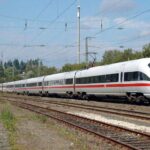

Figuring out how to travel from Berlin to Frankfurt is an exciting first step in your German adventure. This particular route connects the vibrant, historical capital with the country’s bustling financial hub. It is incredibly popular among tourists exploring scenic landscapes and professionals commuting for business.
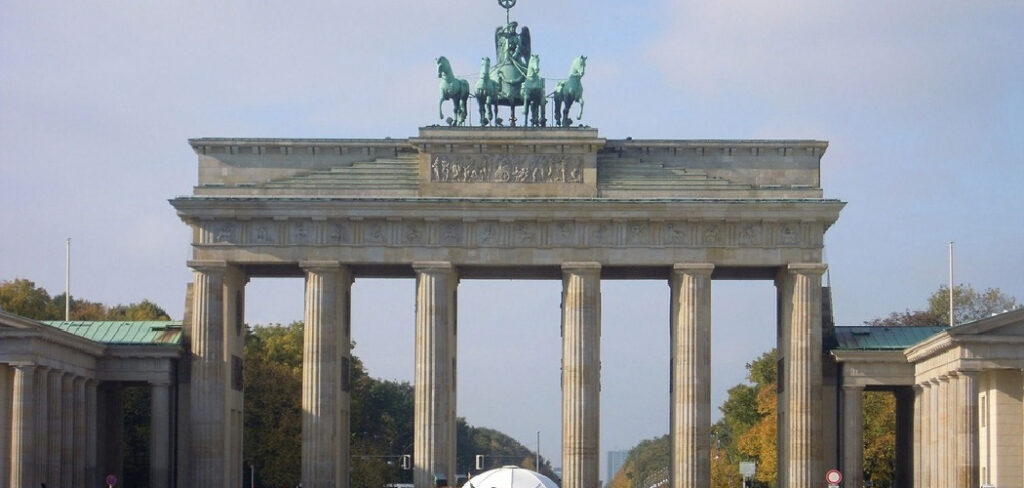
Planning this journey properly saves you valuable time, minimizes unexpected costs, and keeps your stress levels low. You will learn the best methods for navigating this route, including overall costs, travel times, and highly useful local tips.
Travelers have several excellent options, ranging from quick flights and high-speed trains to budget-friendly buses and flexible car rentals. Taking a moment to organize your trip ensures a smooth, enjoyable ride.
How to Get There
Your journey begins by accessing Berlin’s primary transportation hubs. If you are flying, Berlin Brandenburg Airport serves as your main starting point, while Frankfurt Airport is your arrival destination.
Most travelers reach these departure points via local transit, such as the efficient S-Bahn or U-Bahn networks. Major routes connect the two cities smoothly by air, rail, and well-maintained road systems. Travel durations vary widely, taking anywhere from a single hour by plane to over six hours by bus.
Fortunately, transportation availability is excellent, with daily flights, hourly trains, and frequent bus departures. A quick glance at a digital map will give you a clear route overview, showing a relatively straight path southwest across Germany.
6 Simple Steps on How to Travel from Berlin to Frankfurt
Planning this journey requires breaking down your options into manageable choices. There are multiple ways to travel between these two major German cities, depending on your personal preferences. The following steps cover all major transport options to help you finalize your ideal itinerary.
Step 1: Choose Your Transport
The very first thing you need to do is decide which transport method fits your schedule and budget. You can choose between flying, taking a high-speed train, booking a long-distance bus, or renting a car.
Each option offers different levels of comfort and speed, so consider what matters most to you. Budget travelers often prefer buses, while business professionals usually opt for flights or premium train services. Comparing these options early on prevents last-minute stress and ensures availability.
Step 2: Book Your High-Speed Train

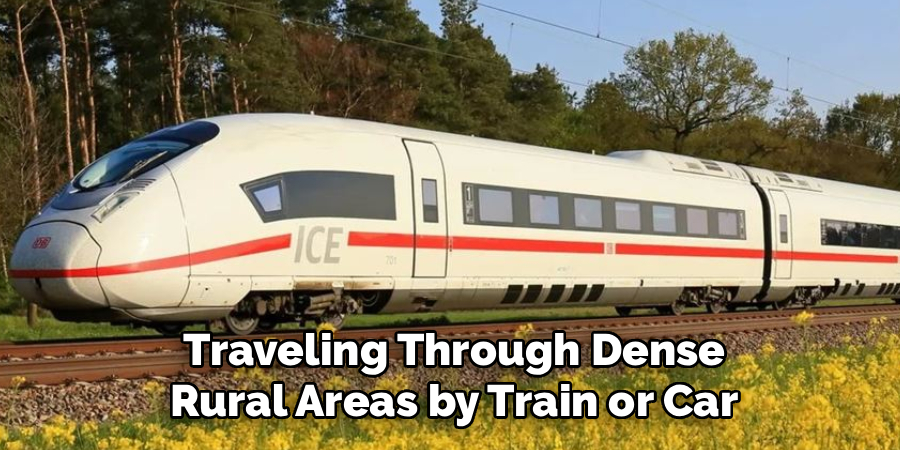
Riding the ICE high-speed rail is often considered the most balanced way to complete this journey. Trains run multiple times a day, making it incredibly flexible for any schedule.
The ride takes about four hours, offering a high comfort level with spacious seating and onboard dining. Ticket prices range from mid-level to premium, depending on how far in advance you secure your booking. This option is best for those who want a scenic, relaxing trip without the hassle of airport security.
Step 3: Find a Domestic Flight
Taking a domestic flight is another excellent option for crossing the country quickly. The actual flight time is just over an hour, making it highly appealing for fast travel.
However, you must account for the time spent traveling to the airport, passing through security, and waiting at the gate. Costs can be surprisingly moderate if booked early, though last-minute tickets get expensive. This method is highly recommended for professionals or anyone with limited time who prioritizes speed over sightseeing.
Step 4: Take a Long-Distance Bus
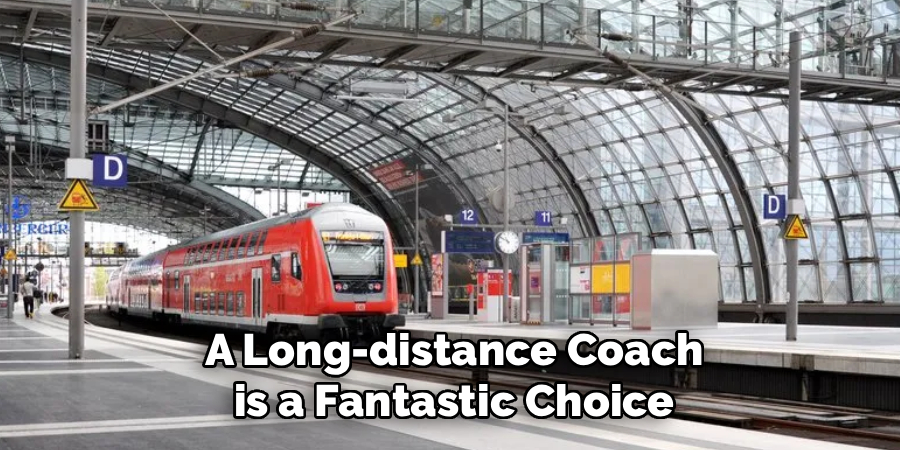
If you are watching your spending, reserving a seat on a long-distance coach is a fantastic choice. The journey typically takes around six to eight hours, depending on traffic and scheduled stops.
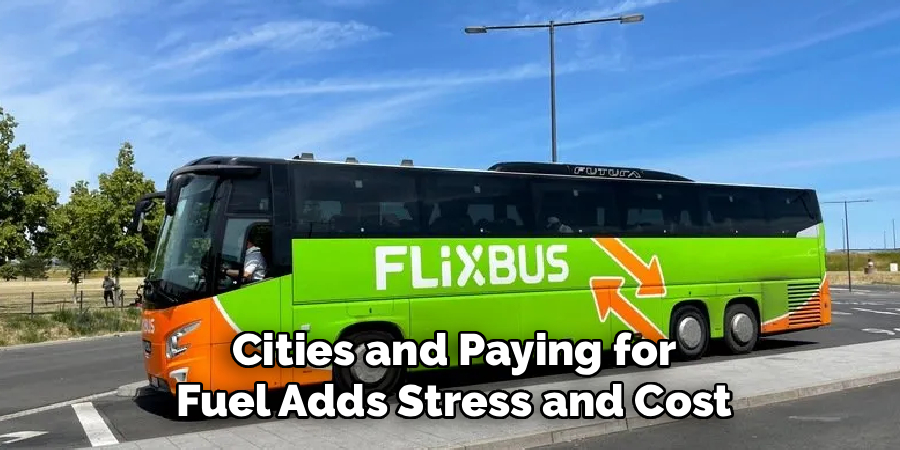
Comfort levels are moderate, as modern buses offer free WiFi, onboard restrooms, and reclining seats. Tickets are extremely affordable, making this the absolute best choice for backpackers and strict budget travelers. Departures are available daily from major central bus stations in the capital.
Step 5: Drive via the Autobahn
Renting a vehicle gives you the ultimate freedom to explore at your own pace. Driving down the famous Autobahn takes roughly five to six hours if you do not make extensive stops.
The cost usually falls in the mid-to-high range when you factor in rental fees, fuel, and potential parking charges. Comfort is entirely up to you, as you can take breaks whenever you please. This option is ideal for families or groups wanting to explore smaller towns along the way.
Step 6: Finalize Your Itinerary
Once your transportation is booked, the final step is organizing your daily schedule and documents. Gather your digital tickets, hotel reservations, and transit passes into one easily accessible folder.
Reviewing your arrival times helps you coordinate local transport to your final accommodation smoothly. It is always wise to double-check luggage allowances for your chosen transport method. Completing this step guarantees you can relax and simply enjoy the journey ahead.
Pros and Cons of Each Travel Option
Every transportation method comes with distinct advantages and distinct disadvantages. Flights offer unmatched speed, but require tedious airport security checks and luggage restrictions.
High-speed trains provide excellent comfort and city-center arrivals, though last-minute tickets can be quite pricey. Buses are fantastic for your wallet, yet they take the longest time and are subject to highway traffic delays.
Renting a car offers complete flexibility to stop anywhere, but driving in unfamiliar cities and paying for fuel adds stress and cost. Weighing these factors helps you make an informed decision.
Best Way to Travel
The high-speed ICE rail network stands out as the overall best travel option for this specific route. It perfectly balances time, reasonable cost, and a very high level of comfort.
You depart directly from the central station and arrive right in the heart of your destination. This eliminates the need for lengthy airport transfers or waiting in long security lines.
Trains are highly reliable, offer great amenities like food service, and run frequently throughout the day. It caters wonderfully to the average traveler seeking convenience without extreme luxury.
Cheapest Way to Travel
Booking a long-distance bus is undeniably the lowest-cost travel option available for this journey. You can often find tickets for a fraction of the cost of a train or plane ride.
The main reason it remains so cheap is the shared nature of the transport and the longer transit time. The trade-off is a significantly longer journey, typically lasting up to eight hours with fewer opportunities to stretch.
Services run regularly, but booking early secures the absolute lowest fares. Traveling during off-peak hours also helps keep your budget intact.
Fastest Way to Travel
Taking a direct domestic flight is the fastest travel option between these two cities. The actual time spent in the air is barely an hour.
However, you must factor in the additional time needed for airport check-in, security screening, and transit to the city center. Even with these extra steps, flying generally beats driving or taking the train in total door-to-door time.
Direct flights are abundant every single day, making scheduling very easy. It is the ultimate convenience when time is your most precious resource.
Travel Documents You Must Carry
Carrying the correct documentation ensures your trip proceeds without any administrative hiccups. You must have a valid passport or a recognized National ID if you are an EU citizen.
Always keep your digital transport tickets saved on your phone, alongside a printed backup just in case. Hotel booking confirmations and proof of travel insurance are also essential to have on hand.
If you plan to rent a vehicle, do not forget your driver’s license. Finally, keep your debit or credit cards secure in a designated travel wallet.
Estimated Budget & Money-Saving Tips
Your overall estimated budget will depend heavily on your chosen travel style. A budget traveler can manage the trip quite cheaply by utilizing buses and booking affordable accommodations.
Mid-range travelers should expect moderate costs for train tickets, comfortable hotels, and nice restaurant meals. To save money, always try to book your primary transportation several weeks in advance.
Traveling during the shoulder season or mid-week also drops prices significantly. Utilizing local public transit instead of private taxis upon arrival will further protect your travel funds.
Currency & Money Management
Germany uses the Euro as its official local currency, which makes financial planning straightforward. Having a basic understanding of the current exchange rate helps you track your spending accurately.
Credit and debit cards are widely accepted, and contactless payments are standard in most shops and restaurants. ATMs are highly accessible at stations, airports, and along main streets.
It is still wise to carry a small amount of cash for minor purchases at bakeries or local markets. Always choose to pay in the local currency to avoid hidden conversion fees.
Internet & WiFi Availability
Staying connected during your journey is incredibly easy. Public WiFi is widely available at airports, major train stations, and modern cafes.
The internet speed is generally fast and reliable, especially in urban centers and transit hubs. While many public networks are free, some premium networks may require a small fee or registration.
Coverage can occasionally drop if you are traveling through dense rural areas by train or car. It is smart to use a mobile data plan as a backup and avoid accessing sensitive banking information on unsecured public networks.
Travel Tips
Following a few simple guidelines makes learning how to travel from Berlin to Frankfurt a breeze. Always plan your itinerary and secure your bookings well in advance to lock in the best rates.
Arriving early at the station or airport significantly reduces pre-departure anxiety. Keep your important travel documents organized and easily accessible in a dedicated pouch.
Packing light allows you to maneuver through crowded stations and board trains with ease. Finally, checking the local weather forecast helps you dress comfortably for the journey ahead.
Travel Safety, Common Scams & Mistakes to Avoid
Germany is generally a very safe destination, but standard travel safety awareness is still required. Be mindful of common urban scams, such as overly aggressive petition signers or unregulated taxis outside transit hubs.
Always stay alert, use official transportation services, and verify the credentials of anyone offering unsolicited help with your luggage. Keep your valuables, like your phone and wallet, secure in zipped compartments.
Avoid sharing your specific accommodation details with strangers you meet in transit. Staying attentive in crowded areas easily prevents most minor incidents.
Safety & Health Precautions
Maintaining your well-being on the road is just as important as protecting your belongings. Basic health habits, like staying hydrated and washing your hands frequently, go a long way.
Since you will be navigating busy transport hubs, carrying a small bottle of hand sanitizer is a great idea. Pack a basic first-aid kit with pain relievers and any necessary personal medications.
Food and tap water in Germany are highly safe, so you can confidently enjoy local meals. Keeping emergency contacts saved in your phone ensures you are prepared for anything.
Emergency Contacts & Useful Links
Having vital contact information readily available brings peace of mind to any trip. The general emergency number in Germany is 112, which connects you to ambulance and fire services, while 110 connects you directly to the police.
It is also helpful to keep the contact details of your home country’s embassy or consulate handy. Save the customer service numbers for your specific airline or train operator in case of sudden delays. Saving this information offline on your phone ensures access even without internet.
Frequently Asked Questions
What is the fastest way on how to travel from Berlin to Frankfurt?
Taking a domestic flight is the fastest method available. The flight takes roughly an hour, though you should factor in airport security and transit time to the city centers.

Is it cheaper to fly or take the train?
Booking a train is generally more cost-effective if done well in advance. Flights can occasionally be cheaper during aggressive airline sales, but trains usually offer a more stable, budget-friendly mid-range price.
Are there direct buses between the cities?
Yes, there are several direct bus routes operating daily. They are incredibly affordable, making them perfect for budget travelers, though the journey takes much longer than trains or flights.
Conclusion
Mastering how to travel from Berlin to Frankfurt ensures your German adventure is completely stress-free. Whether you choose the speed of a flight, the comfort of the rail network, or the savings of a bus, the journey is straightforward and safe. Proper planning and securing your tickets early makes all the difference in your overall experience. Keep your documents organized, stay aware of your surroundings, and enjoy the beautiful ride across the country.

About
Ethan Brooks is a dedicated travel writer and tourism specialist with over a decade of experience exploring more than 150 countries. His professional focus centers on city routes and budget travel, where he combines real-world travel insights with efficient planning strategies.
Ethan is known for creating smart, well-structured travel systems that are practical, cost-effective, and easy to follow. As a core author at thetraveliy.com, he helps both first-time travelers and experienced explorers plan smooth, confident journeys.
Education
The University of Queensland (Australia) Bachelor’s Degree in Tourism Management
-
Focus: Global tourism systems, destination planning, and travel operations.
-
Specialization: Gained practical knowledge in travel logistics, itinerary development, and tourism industry structures.
Publications and Impact
At thetraveliy.com, Ethan Brooks publishes clear, structured, and experience-driven content focused on:
-
Transportation Logistics: Navigating complex transit systems with ease.
-
Itinerary Planning: Creating time-efficient schedules for any destination.
-
Budget-Friendly Solutions: Maximizing value without sacrificing the experience.
Ethan’s work simplifies complex travel decisions, making it easier for readers to plan efficient and affordable trips. By blending practical advice with real-world experience, he helps travelers create well-organized journeys while saving both time and money.