
Planning a trip across Germany can be an exciting experience for any visitor. If you are wondering How to Travel From Berlin to Munich, you have several excellent options to choose from. This route connects the vibrant capital in the north with the culturally rich Bavarian hub in the south.
It is an incredibly popular journey for tourism, business, and enjoying scenic beauty along the way. Planning this trip properly saves you valuable time, reduces your overall costs, and helps you avoid unnecessary travel stress.
By understanding your options, you can make the best choice for your itinerary. You will learn about the most efficient ways to travel, estimated costs, travel times, and highly useful tips. Options include quick flights, comfortable high-speed trains, budget-friendly buses, and flexible car rentals.
How to Get There
Travelers typically start their journey from central Berlin or the well-connected Berlin Brandenburg Airport. Reaching these starting points is incredibly easy using the local public transit network, known as the U-Bahn and S-Bahn.
Once you are ready to depart, you can choose from major routes including direct flights, rail, road, and even ride-sharing options. The travel duration ranges significantly based on your preferred transport, taking anywhere from one hour in the air to over seven hours on the road.
Transport availability is excellent, with daily flights, dozens of trains, and multiple buses leaving around the clock. A quick glance at a digital map will show you the straightforward north-to-south connection across the country. We will outline the specific details for each transport method below.
6 Simple Steps on How to Travel From Berlin to Munich
This section breaks down your main transport options for completing this journey. There are multiple ways to travel, ensuring everyone can find a method that fits their schedule and budget.

Step 1: Fly for Maximum Speed
Booking a direct flight is the quickest option for covering the distance between these two cities. The actual time in the air is roughly one hour, though you must account for security and transit to the airport.
Costs generally range from moderate to high, depending on how early you secure your seat. Comfort is relatively medium, as short-haul flights offer limited legroom but get you there incredibly fast. Flights depart multiple times a day from Berlin Brandenburg Airport. This is clearly best for fast travel and busy professionals. A great tip is to travel with only a carry-on bag to save extra time at the carousel.
Step 2: Ride the High-Speed ICE Train
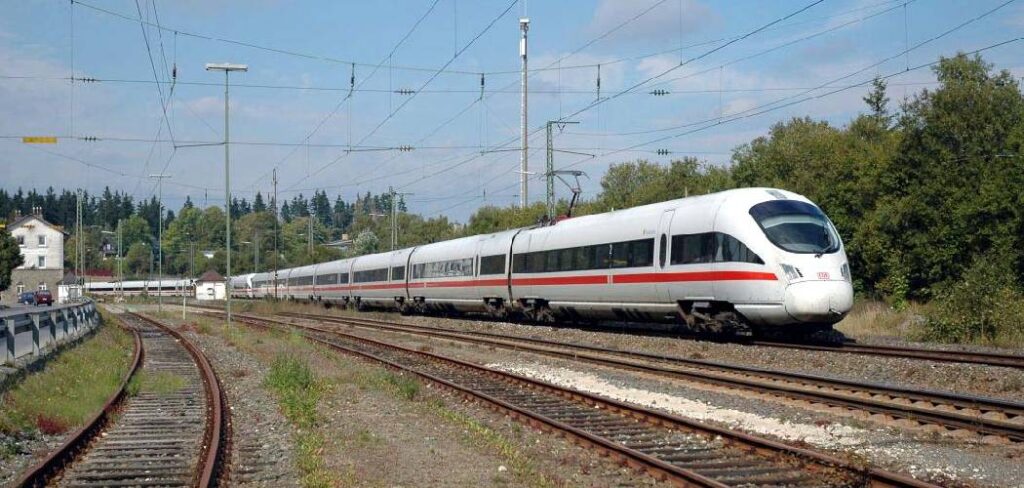
Taking the high-speed Intercity-Express (ICE) train is widely considered the most balanced transport method. The journey takes around four to four and a half hours from city center to city center.
Ticket prices sit in the mid-range tier, especially if you book a few weeks ahead of your travel date. Comfort is exceptionally high, offering spacious seating, dining cars, and large windows for enjoying the countryside. Trains leave almost every hour from Berlin Hauptbahnhof, making it incredibly flexible. It is the perfect choice for comfort seekers and families. Try to reserve a specific seat during booking to guarantee you can sit together.
Step 3: Take a Long-Distance Bus
Choosing a long-distance coach is an excellent way to save money while traveling across Germany. The ride takes around seven to nine hours, depending on traffic and scheduled stops.
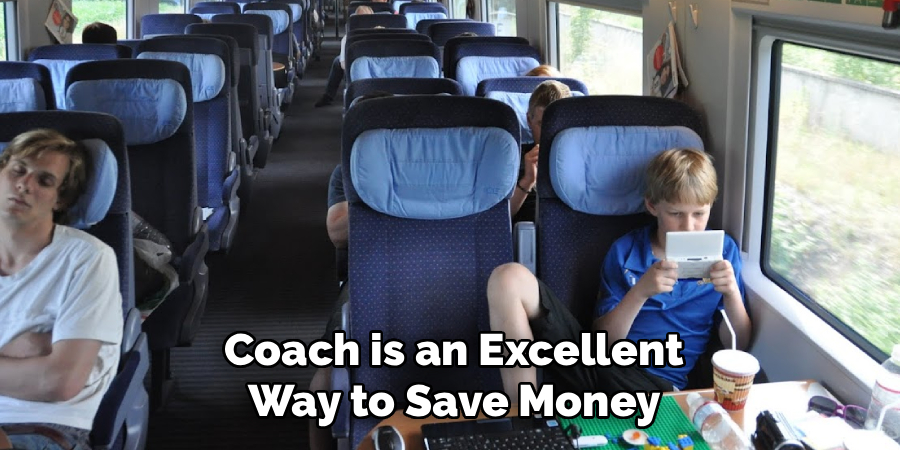
Costs are typically very low, making it the ultimate budget-friendly choice for students and backpackers. Comfort is medium, as modern buses feature reclining seats, onboard restrooms, and air conditioning. Several departures occur daily, including overnight routes that save you the cost of a hotel room. This option is definitely best for budget travelers with flexible schedules. Bring a comfortable neck pillow and a reusable water bottle for the long ride.
Step 4: Rent a Car for a Scenic Drive
Renting a car gives you the ultimate freedom to explore the German landscape at your own pace. The direct drive takes about six to seven hours on the Autobahn, depending on traffic conditions.
Costs can run on the higher side when factoring in the rental fee, fuel, and potential parking charges. Comfort is entirely up to you and the type of vehicle you select for the trip. Rental agencies are available daily at airports and city centers. This option is best for adventurous travelers who want to stop at smaller towns along the way. Remember that some sections of the Autobahn have no speed limits, so drive cautiously.
Step 5: Try a Ride-Sharing Service
Using a ride-sharing platform is a popular and social way to move between major German cities. The travel time is roughly six to seven hours, largely depending on the driver’s specific route and breaks.
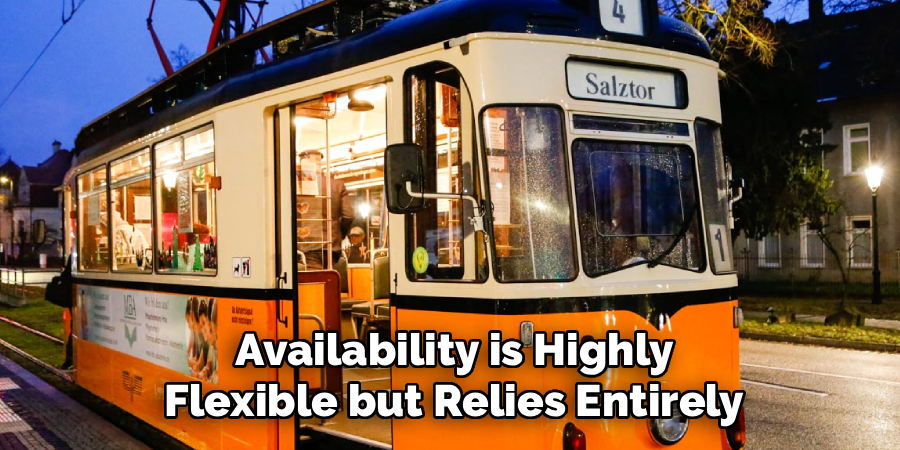
Costs fall squarely in the budget category, often rivaling or beating long-distance bus fares. Comfort levels vary based on the vehicle type and how many other passengers are sharing the back seat. Availability is highly flexible but relies entirely on independent drivers posting their upcoming trips. It is a fantastic choice for solo travelers looking to practice their conversational German. Always check the driver’s reviews and luggage allowances before booking your seat.
Step 6: Book a Connecting Regional Train
If you want to explore the countryside slowly, taking regional trains is an adventurous alternative. The travel time can exceed nine or ten hours, as you will need to transfer multiple times along the route.
The cost is incredibly low if you utilize specialized regional day passes offered by the national railway. Comfort is moderate, as regional trains lack the premium amenities of the high-speed ICE network. These trains run constantly throughout the day, providing ultimate flexibility for spontaneous route changes. This method is best for slow travelers who want to visit places like Leipzig or Nuremberg en route. Download the national railway app to keep track of your transfer platforms easily.
Pros and Cons of Each Travel Option
Every travel option brings distinct advantages and a few notable disadvantages to your itinerary. Flights offer unmatched speed but can suffer from delays and require frustrating airport transit times.
Trains provide incredible comfort and city-center convenience, though last-minute tickets can be surprisingly expensive. Buses highlight ultimate budget savings, yet they demand a significantly longer time commitment.
Rental cars boast complete flexibility for sightseeing, but navigating traffic and paying for fuel adds stress. Ride-sharing is cost-effective and highly social, but relies on someone else’s unpredictable schedule.
Best Way to Travel
The high-speed ICE train stands out as the best overall travel option for this journey. It perfectly balances total travel time, reasonable costs, and a relaxing environment.
You avoid the tedious security lines of airports while still crossing the country in just over four hours. The convenience of departing from central Berlin and arriving directly in the heart of the Bavarian capital is unbeatable.
This option caters beautifully to average traveler needs, offering consistent reliability and frequent daily departures. It simply provides the smoothest and most enjoyable transit experience available.
Cheapest Way to Travel
The long-distance bus remains the absolute lowest-cost travel option for reaching your destination. Prices often sit at a fraction of what you would pay for a last-minute train or flight.
This deep discount is possible due to shared fuel costs and highly efficient, high-capacity routing. The main trade-offs include a noticeably longer travel time and occasional traffic delays on the highway.
Buses run regularly throughout the day and night. To save even more money, always try to book your tickets a few weeks early and consider traveling on weekdays.
Fastest Way to Travel
Taking a direct domestic flight easily claims the title of the fastest travel option available. The actual time spent in the air is barely an hour from takeoff to landing.
This high-speed transit connects the two cities almost effortlessly, assuming skies are clear. However, you must factor in the extra time needed for airport check-in, security screening, and transport to the city center.
Direct flights are readily available from morning until late evening. The trade-off is giving up the relaxed boarding process of a train for the sheer velocity of air travel.
Travel Documents You Must Carry
Having your essential paperwork organized ensures a smooth and entirely stress-free transit experience. You must carry your passport or a valid national ID card if you are an EU citizen.
Keep your digital or printed flight, train, or bus tickets easily accessible on your phone or in your bag. It is wise to have your hotel booking confirmation and a copy of your travel insurance on hand.
Estimated Budget & Money-Saving Tips
Your estimated budget for this trip will depend heavily on your chosen style of travel. Transport costs can range from twenty euros for a bus up to over a hundred for flights or premium trains.
If you plan to rent a car, your valid driver’s license is absolutely mandatory. Finally, keep your debit and credit cards securely stored alongside a few photocopies of your primary identification.
Mid-range spenders should budget around fifty to eighty euros for comfortable transit and small food expenses along the way. To stretch your funds, secure your transport tickets well before your departure date.
Traveling off-season or outside of peak commuter hours also dramatically reduces your costs. Pack a few light snacks from a local supermarket instead of buying premium meals at the transit stations.
Currency & Money Management
Germany operates entirely on the Euro, which is the local currency used in both cities. It helps to have a basic understanding of the current exchange rate before you begin spending.
Credit and debit cards, including contactless mobile payments, are widely accepted at stations, airports, and major retailers. However, ATM availability is excellent, and it is highly recommended to carry a small amount of cash.
Many small bakeries or local vendors still heavily prefer coins and bills over digital transactions. Always choose to be charged in the local currency at payment terminals to avoid poor conversion fees.
Internet & WiFi Availability
Staying connected during your journey is quite simple thanks to extensive public internet infrastructure. Free WiFi is generally available at major airports, large train stations, and occasionally on long-distance buses.
The internet speed is usually reliable enough for basic browsing and sending messages to family. Coverage remains strong in urban centers but can occasionally drop if your train or car passes through rural forested areas.
Using your personal mobile data plan is a great backup if the public networks feel sluggish. Always avoid entering sensitive financial information when connected to unsecured public networks.
Travel Tips
Following a few general tips will guarantee a much smoother journey across the country. Planning and booking your transport in advance is the single best way to secure your preferred itinerary.
Always recommend arriving early at stations or airports to comfortably find your platform or gate. Keep your important documents organized in a specific pocket so you never have to panic-search your bags.

Packing light makes navigating train aisles and cobblestone streets significantly easier. Do not forget to check the local weather forecast before travel, and use dedicated transit apps for real-time navigation updates.
Travel Safety, Common Scams & Mistakes to Avoid
General travel safety awareness goes a long way in ensuring a highly positive experience. While Germany is incredibly safe, remain mindful of common scams like fake taxis or aggressive petition signers near major transit hubs.
Stay alert and verify your transport services by only using official taxi ranks or recognized ride-hailing apps. Keep your valuables, such as phones and wallets, secure in zippered bags when navigating crowded train platforms.
Avoid sharing detailed personal itineraries with strangers you meet in transit. Trust your instincts, stay aware of your surroundings, and focus on simple prevention rather than fear.
Safety & Health Precautions
Combining general safety with basic health precautions helps maintain your well-being on the road. Remember basic health tips like staying hydrated, practicing good hand hygiene, and washing fresh market food before eating.
Common travel risks mostly involve navigating dense crowds or accidentally wandering into unfamiliar, poorly lit areas at night. Carry a small first-aid kit with basic medicines, band-aids, and any personal prescriptions you require.
Tap water is perfectly safe to drink across the country, which helps prevent minor illnesses. Keep a list of your personal emergency contacts easily accessible inside your wallet or phone case.
Emergency Contacts & Useful Links
Having essential numbers saved gives you total peace of mind during your transit. The general emergency number for police in Germany is 110, while 112 connects you to the ambulance and fire services.
It is always smart to keep the contact details of your home country’s embassy or consulate handy. Keep transport helplines saved in your phone, especially the customer service number for your chosen airline or rail provider.
Official tourism websites for both cities offer wonderful resources for travelers. Save these contacts offline so you can access them even without an active data connection.
Frequently Asked Questions
What is the most scenic option for How to Travel From Berlin to Munich?
Taking the high-speed ICE train provides beautiful views of the German countryside, rolling hills, and dense forests. Renting a car also allows you to take scenic detours through charming medieval villages.
Is it cheaper to fly or take the train in Germany?
Taking the train is often cheaper if booked several weeks in advance. Last-minute flights can sometimes drop in price, but generally, long-distance buses remain the absolute most affordable transport method available.
How far in advance should I book my tickets?
You should aim to book train or flight tickets at least three to four weeks prior to departure. This guarantees the best possible price and ensures your preferred travel time is not completely sold out.
Conclusion
Now that you know exactly How to Travel From Berlin to Munich, you can confidently prepare for your upcoming journey. This popular route offers excellent transportation options that cater safely and easily to every single budget and preference. Careful planning and early preparation will ensure your transit is smooth, comfortable, and totally stress-free. Have a wonderful trip, and remember to look out the window to enjoy the beautiful scenery along the way!

About
Ethan Brooks is a dedicated travel writer and tourism specialist with over a decade of experience exploring more than 150 countries. His professional focus centers on city routes and budget travel, where he combines real-world travel insights with efficient planning strategies.
Ethan is known for creating smart, well-structured travel systems that are practical, cost-effective, and easy to follow. As a core author at thetraveliy.com, he helps both first-time travelers and experienced explorers plan smooth, confident journeys.
Education
The University of Queensland (Australia) Bachelor’s Degree in Tourism Management
-
Focus: Global tourism systems, destination planning, and travel operations.
-
Specialization: Gained practical knowledge in travel logistics, itinerary development, and tourism industry structures.
Publications and Impact
At thetraveliy.com, Ethan Brooks publishes clear, structured, and experience-driven content focused on:
-
Transportation Logistics: Navigating complex transit systems with ease.
-
Itinerary Planning: Creating time-efficient schedules for any destination.
-
Budget-Friendly Solutions: Maximizing value without sacrificing the experience.
Ethan’s work simplifies complex travel decisions, making it easier for readers to plan efficient and affordable trips. By blending practical advice with real-world experience, he helps travelers create well-organized journeys while saving both time and money.