
Planning a trip through Germany is an exciting experience, and figuring out how to Travel From Berlin to Leipzig is easier than you might think. This route connects the bustling capital to a vibrant cultural hub, making it a favorite for tourists and business professionals alike.
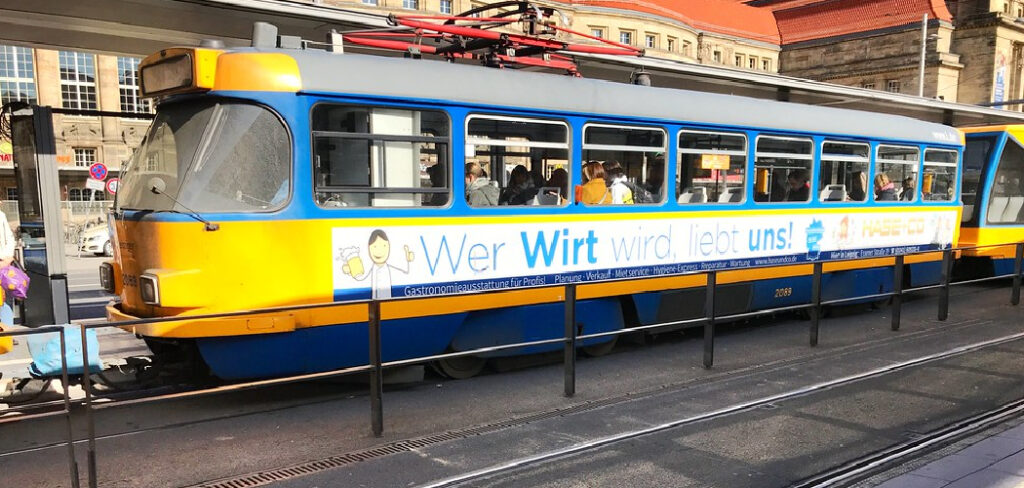
Understanding the journey helps you save money, avoid unnecessary stress, and maximize your time exploring. You will learn about the best transportation methods, expected costs, and practical travel essentials. We will cover flights, trains, buses, and driving options. Having a solid itinerary ensures your trip is smooth and enjoyable.
How to Get There
If you are flying internationally, you will likely arrive at Berlin Brandenburg Airport before starting this domestic journey. Travelers typically reach the starting point by taking a local train or taxi to the main city stations. The major routes connecting these cities include high-speed rail, regional trains, direct buses, and major highways for driving. Depending on your choice, the general travel duration ranges from a little over an hour to about two and a half hours. Transport options are highly frequent, with daily trains and buses running almost every hour. A simple route overview involves heading southwest from the capital directly into Saxony. Checking a route understanding app like Google Maps will give you a clear direction idea.
6 Simple Steps on How to Travel From Berlin to Leipzig
This section breaks down your main travel itinerary into easy, manageable stages. There are multiple ways to travel, so we have covered the major transport options below.
Step 1: Choose Your Transport
The first part of your journey involves deciding which mode of transportation fits your schedule and budget. High-speed trains offer the highest comfort level and take just over an hour. Buses provide a more budget-friendly alternative, though they take around two hours depending on highway traffic. Driving gives you complete flexibility to stop along the way, making it ideal for road trip enthusiasts. Transport availability is excellent across all methods, with multiple daily departures. This step is best for planners who want to secure the most convenient option early.
Step 2: Book Your Tickets in Advance
Once you decide on your transportation, securing your tickets ahead of time is highly recommended. Booking a week or two early ensures you get the best price and guarantees your seat on busy days. Train tickets can range from budget-friendly early bird fares to more expensive last-minute mid-range prices. Bus fares generally remain low, but popular departure times sell out quickly during weekends and holidays. This option is best for budget travelers wanting to stretch their euros further. A helpful tip is to use official digital platforms to store your electronic tickets securely.
Step 3: Navigate to Berlin Central Station or ZOB
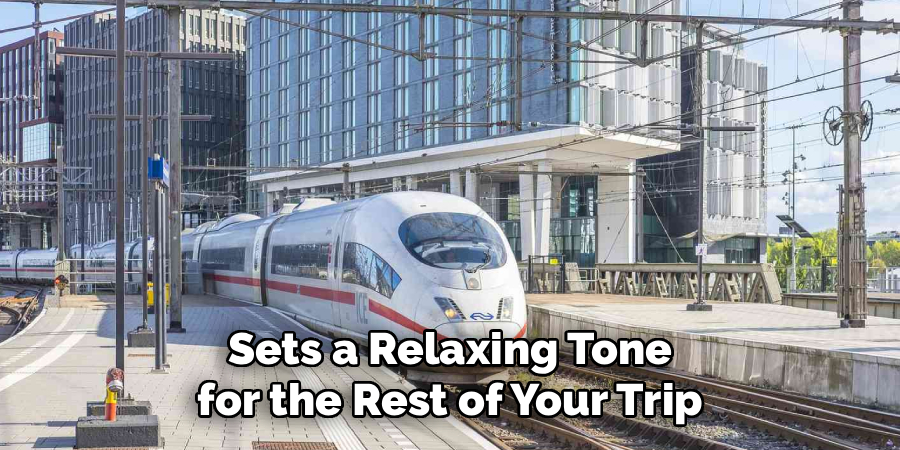
Getting to your departure point smoothly sets a relaxing tone for the rest of your trip. If you are taking the train, you will head to Berlin Hauptbahnhof, which is easily accessible via local transit. Bus travelers will need to navigate to the Zentraler Omnibusbahnhof, commonly known as ZOB, located on the western side of the city. Travel time to these stations from the city center is usually under thirty minutes. Both stations offer a high comfort level with cafes and seating areas. Arrive at least twenty minutes early to locate your specific platform or gate.
Step 4: Enjoy the Journey and Onboard Amenities
Once you board your chosen transport, you can sit back and enjoy the scenic ride through eastern Germany. The high-speed train features excellent amenities, including spacious seating, onboard cafes, and clean restrooms for a premium comfort level. Long-distance buses also provide comfortable reclining seats and basic facilities for a pleasant two-hour ride. If you are driving, the route via the A9 highway is straightforward and features well-maintained rest stops. This stage of the trip is perfect for relaxing, reading a book, or catching up on work.
Step 5: Arrive at Leipzig Hauptbahnhof
Your arrival point is one of the most impressive railway stations in all of Europe. Leipzig Hauptbahnhof is massive, featuring an expansive shopping mall and excellent facilities right inside the terminal. The comfort level upon arrival is high, as the station is incredibly easy to navigate with clear signage in multiple languages. It serves as a central hub, meaning you will have no trouble finding your bearings immediately. This step is exciting for fast travel enthusiasts who want to step off the transport and straight into city life.
Step 6: Transfer to Your Final Destination
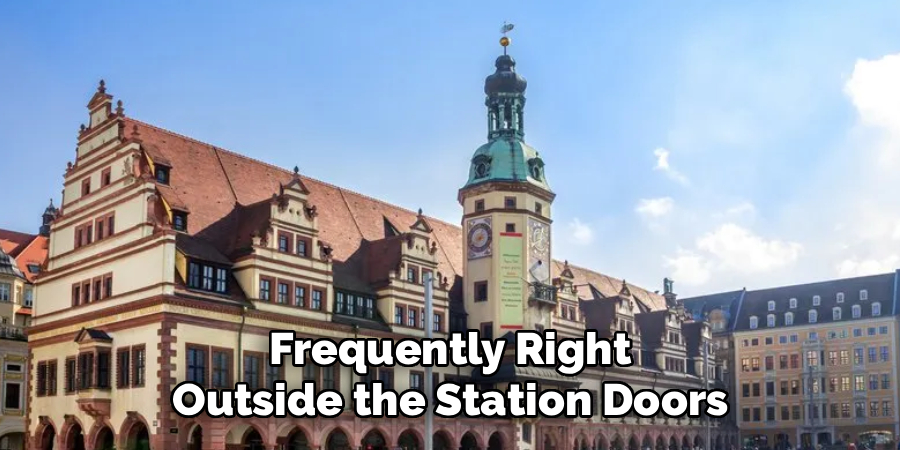
The final step is getting from the main station to your hotel or accommodation within the city. The local transit network includes trams and buses that run frequently right outside the station doors. A short tram ride usually costs just a few euros, making it a very budget-friendly transfer option. If your hotel is central, you might even enjoy a short walk through the beautiful historic streets. Taxis are also readily available for those prioritizing maximum comfort and convenience after their journey.
Pros and Cons of Each Travel Option
Every transportation method has its own distinct advantages and disadvantages to consider before booking. High-speed trains offer incredible speed and exceptional comfort, but they can be expensive if booked at the last minute. Long-distance buses are extremely affordable and run frequently, though they are subject to highway traffic and take longer. Driving provides ultimate flexibility and convenience for carrying heavy luggage. However, renting a car adds costs for fuel and parking while requiring you to navigate unfamiliar roads. Comparing these factors helps you make an informed decision quickly.
Best Way to Travel
Taking the high-speed ICE train is widely considered the best overall travel option for this route. It perfectly balances speed, cost, and comfort, taking you between the two city centers in just about an hour. The convenience of skipping traffic and avoiding airport-style security makes it incredibly reliable and relaxing. This method suits the average traveler perfectly, offering spacious seating and onboard amenities. While buses are cheaper, the time saved on the train makes the slight price increase completely worthwhile for most people.
Cheapest Way to Travel
If you are watching your wallet, the long-distance bus is undoubtedly the lowest-cost travel option available. Average ticket prices range from just under ten euros to around twenty euros, depending on when you book. It is the cheapest choice because multiple operators share the popular highway route, keeping fares highly competitive. The trade-off is a slightly longer journey time and a bit less legroom compared to the train. Booking early and choosing off-peak travel times will help you save even more money.
Fastest Way to Travel
The high-speed ICE train is the fastest travel option, completing the journey in about an hour and fifteen minutes. This is a direct route with very few stops, meaning you spend less time in transit and more time exploring. When you factor in the lack of airport check-in or security lines, door-to-door travel time is unbeatable. The convenience trade-off is minimal, though you pay a slight premium for the speed. Trains run multiple times a day, making it easy to find a fast connection that fits your itinerary.

Travel Documents You Must Carry
Having the right paperwork organized ensures a smooth and stress-free journey across Germany. You should always carry a valid Passport or National ID, along with any necessary visa documentation. Keep digital and printed copies of your train or bus tickets readily accessible on your phone. It is also wise to have your hotel booking confirmation and travel insurance copy on hand. If you plan to drive, do not forget your driver’s license and physical debit or credit cards for tolls and parking. Keep these documents organized in a secure folder.
Estimated Budget & Money-Saving Tips
An overall estimated budget for this trip largely depends on your transportation choice and personal travel style. For a mid-range experience, expect to spend between thirty and sixty euros covering transport, a quick meal, and local transit. Budget travelers can easily complete the trip for under twenty euros by choosing the bus and packing their own snacks. Simple money-saving tips include booking your tickets weeks in advance and traveling during off-peak hours. Using local public transport instead of taxis upon arrival will also help keep your expenses low.
Currency & Money Management
Both cities operate using the Euro, making it incredibly simple to manage your finances during the trip. It is helpful to have a basic exchange rate awareness regarding your home currency before you arrive. Most places widely accept common payment methods like contactless credit and debit cards. However, it is always a good idea to carry small cash for local use at bakeries or small vendors. To avoid extra fees, use official bank ATMs rather than independent cash machines found in convenience stores.
Internet & WiFi Availability
Staying connected during your journey is quite simple thanks to widespread public WiFi availability. You will find free networks at the major stations, airports, and inside most modern cafes. High-speed trains and long-distance buses also frequently offer free onboard WiFi, though the internet speed can fluctuate in rural areas. It is always smart to use your mobile data as a backup if the connection drops. For safety, avoid logging into sensitive accounts while using unsecured public networks.
Travel Tips
Planning your itinerary well in advance is the best way to ensure a smooth journey. Always arrive at the station or bus terminal at least twenty minutes early to find your correct departure platform. Keeping your important documents organized and easily accessible will save you from last-minute panic. Pack light and smart, as maneuvering heavy suitcases through crowded stations can be exhausting. Finally, check the weather before travel and use official transport apps for live navigation and delay updates.
Travel Safety, Common Scams & Mistakes to Avoid
Maintaining general travel safety awareness is important, even in highly developed European cities. Be cautious of common scams like fake taxis or individuals offering unsolicited help with your luggage for a fee. You can avoid suspicious situations by only using official transport apps and verified taxi ranks. Always keep your valuables secure, ensuring your bags are zipped and wallets are in front pockets. Stay particularly alert in crowded areas like main stations, and never share personal details with strangers.
Safety & Health Precautions
Taking basic health precautions will ensure you feel your best throughout your trip. Keep yourself hydrated, maintain good hand hygiene, and choose safe food options from reputable station vendors. Common travel risks mostly revolve around navigating busy crowds, so walk purposefully and stay aware of your surroundings. It is a great idea to carry a small first-aid kit or basic medicines in your day bag. Remember to keep emergency contacts accessible in your phone in case you need sudden assistance.

Emergency Contacts & Useful Links
Knowing who to call in an unexpected situation is a crucial part of responsible travel. In Germany, the general emergency number for police is 110, while 112 connects you to the ambulance and fire services. It is smart to keep the contact details of your home country’s embassy or consulate saved in your phone. You should also note down the customer service helplines for your chosen train or bus operator. Saving these contacts offline ensures you have access to them even without an internet connection.
Frequently Asked Questions
Is there a direct train route available?
Yes, direct high-speed trains run constantly throughout the day between these two cities. The journey is seamless, requiring no transfers, and offers the highest level of convenience. It is highly recommended to book your seat reservation in advance.
Can I buy tickets on the day of travel?
You can absolutely purchase tickets on the day of your journey at the station. However, last-minute train tickets are generally much more expensive, and popular bus times may sell out completely. Booking ahead is always the better strategy.
How to travel from Berlin to Leipzig?
The most efficient way to travel is by booking a high-speed ICE train, which takes just over an hour. If you want a cheaper option, direct buses are available but take slightly longer. Both options are incredibly reliable and straightforward.
Conclusion
Now that you know exactly how to Travel From Berlin to Leipzig, you can plan your itinerary with total confidence. This quick and scenic journey is straightforward, giving you a wonderful glimpse of the German countryside along the way. Planning ahead and preparing your travel essentials ensures a safe, relaxing, and enjoyable trip from start to finish. As a final helpful tip, download your tickets directly to your smartphone so you are ready to board without any hassle.

About
Ethan Brooks is a dedicated travel writer and tourism specialist with over a decade of experience exploring more than 150 countries. His professional focus centers on city routes and budget travel, where he combines real-world travel insights with efficient planning strategies.
Ethan is known for creating smart, well-structured travel systems that are practical, cost-effective, and easy to follow. As a core author at thetraveliy.com, he helps both first-time travelers and experienced explorers plan smooth, confident journeys.
Education
The University of Queensland (Australia) Bachelor’s Degree in Tourism Management
-
Focus: Global tourism systems, destination planning, and travel operations.
-
Specialization: Gained practical knowledge in travel logistics, itinerary development, and tourism industry structures.
Publications and Impact
At thetraveliy.com, Ethan Brooks publishes clear, structured, and experience-driven content focused on:
-
Transportation Logistics: Navigating complex transit systems with ease.
-
Itinerary Planning: Creating time-efficient schedules for any destination.
-
Budget-Friendly Solutions: Maximizing value without sacrificing the experience.
Ethan’s work simplifies complex travel decisions, making it easier for readers to plan efficient and affordable trips. By blending practical advice with real-world experience, he helps travelers create well-organized journeys while saving both time and money.