

Exploring new destinations brings excitement and unforgettable memories, but travel safety is incredibly important for modern explorers. Unexpected events can happen to anyone, no matter how carefully an itinerary is planned. Common travel risks like theft, scams, sudden health issues, and transportation delays can quickly turn a dream vacation into a stressful ordeal.

Proper preparation before and during your journey matters because it gives you peace of mind. Knowing exactly what to do when things go wrong allows you to respond calmly and effectively. This guide will teach you exactly how to handle emergencies while traveling.
You will learn practical ways to protect your health, secure your belongings, and navigate unexpected disruptions. By understanding these simple problem-solving strategies, you can transition smoothly into a safe, secure, and highly enjoyable adventure.
Common Travel Risks & Problems
Tourist hotspots, transport hubs, and crowded markets are prime locations for theft and pickpocketing. Keep a close eye on your bags, as distractions often lead to missing valuables. Scams targeting tourists are also widespread in unfamiliar cities. You might encounter fake guides, overcharging vendors, taxi scams, or suspicious phishing offers promising cheap tours.
Health-related issues present another major challenge during long trips. Food poisoning, severe dehydration, or sudden illness can derail your plans instantly. Travel delays and disruptions add to the frustration of international journeys. Flight cancellations, missed connections, and lost luggage are incredibly common when navigating busy airline routes.
Solo travel brings its own set of safety risks, especially when navigating unfamiliar areas at night. Environmental risks like severe weather, unexpected natural disasters, or unsafe road conditions can also jeopardize your safety. Communication and language barriers often cause confusion, making it harder to seek help. Finally, financial risks such as credit card fraud, misplaced cash, or poor money management can leave you stranded without resources.
6 Essential Steps on How to Handle Emergencies While Traveling
This practical step-by-step travel safety guide is designed to help you protect yourself, your money, documents, devices, and health. Travel safety always varies depending on your chosen destination, preferred transportation, and personal travel style. However, establishing a solid baseline of protection is vital for every traveler.
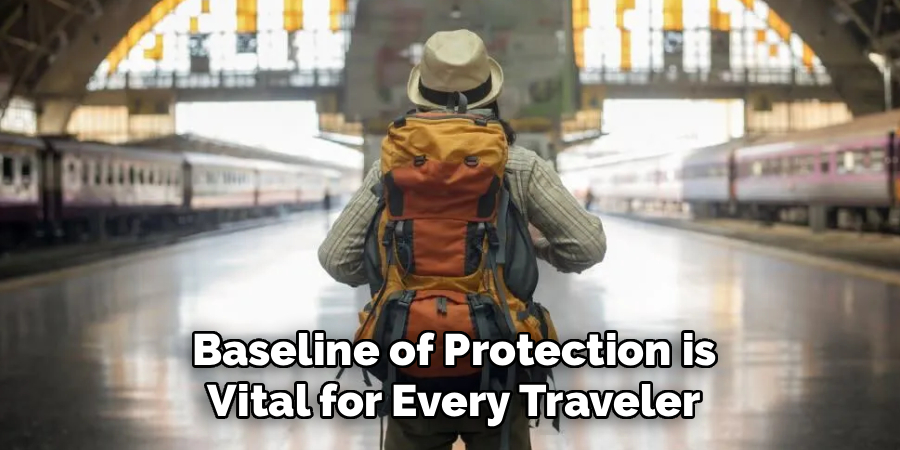
This section covers all major safety areas, moving logically from personal safety to emergency preparedness. By mastering these actions, you can navigate any journey with confidence and clarity.
Step 1: Stay Safe by Preparing Your Documents
Securing your identity is the foundation of travel safety. Before heading to the airport or train station, make multiple copies of your passport, visa, and travel insurance details. Keep one physical copy hidden in your main luggage and store a digital version on a secure cloud drive.
Knowing how to handle emergencies while traveling starts with having backup identification readily available. If you lose your primary documents in a crowded plaza, these backups will save you immense trouble at the local embassy. Keep this process simple to ensure you are always prepared for the unexpected.
Step 2: Stay Safe by Securing Your Finances
Financial protection is crucial when navigating crowded tourist destinations and transit hubs. Never carry all your cash and credit cards in a single wallet or pouch. Instead, distribute your funds across different secure locations in your luggage and on your person.
Use a hidden money belt for larger bills and keep a smaller, daily allowance in your front pocket. If you encounter a pickpocket on public transport, you will only lose a fraction of your travel funds. Always notify your bank about your travel dates to prevent sudden card freezes while paying for an emergency hotel stay.
Step 3: Stay Safe by Mapping Out Local Clinics
Health emergencies require swift action, so knowing where to go beforehand is vital. Research the locations of reputable hospitals, pharmacies, and clinics near your accommodation before you arrive. Save these addresses offline on your phone or write them down on a physical notepad.
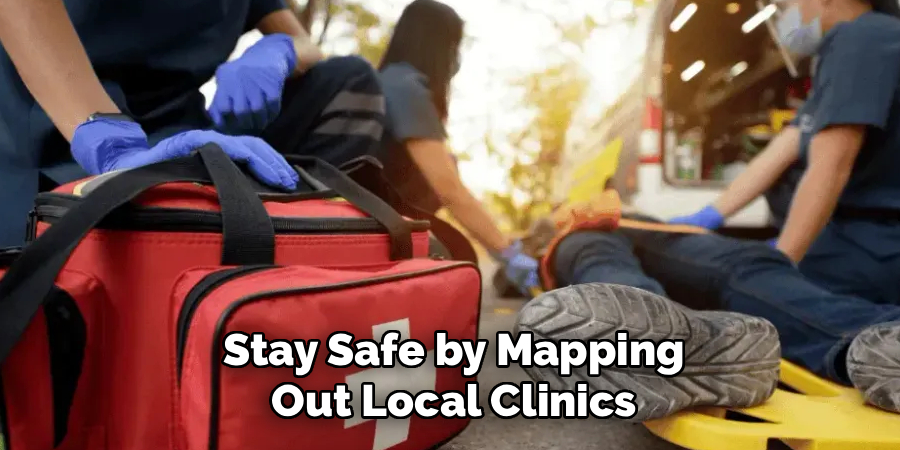
If you or a companion experiences sudden food poisoning at a local market, you will not have to waste time searching for medical help. Keep your travel insurance hotline number clearly written next to these addresses. This proactive approach ensures you get prompt care without unnecessary panic.
Step 4: Stay Safe by Guarding Your Digital Devices
Your smartphone and laptop are essential tools for communication and navigation, making them high-value targets for thieves. Always lock your devices with strong passwords and enable remote tracking features before your departure. When sitting in a bustling café or airport lounge, never leave your phone resting unattended on the table.
Use secure Wi-Fi networks and avoid checking bank accounts on public connections to prevent digital theft. If your device is stolen during a night out, use a trusted companion’s phone to wipe your data remotely. Protecting your digital life is just as important as guarding your physical wallet.
Step 5: Stay Safe by Establishing a Contact Protocol
Communication is your best lifeline when dealing with unexpected travel disruptions. Establish a clear check-in schedule with a trusted friend or family member back home. Share your full itinerary, including hotel names, flight numbers, and expected transit times.
If a natural disaster or severe weather event disrupts your region, your contacts will know exactly where you are supposed to be. Use encrypted messaging apps to send quick daily updates about your well-being. This simple habit ensures someone can alert authorities if you go completely silent for an unusual amount of time.
Step 6: Stay Safe by Packing an Emergency Kit
A well-stocked emergency kit provides immediate relief during minor medical issues and travel delays. Pack a small, waterproof bag with essential first-aid supplies like bandages, antiseptic wipes, and pain relievers. Include a portable power bank, a small flashlight, and emergency cash in the local currency.
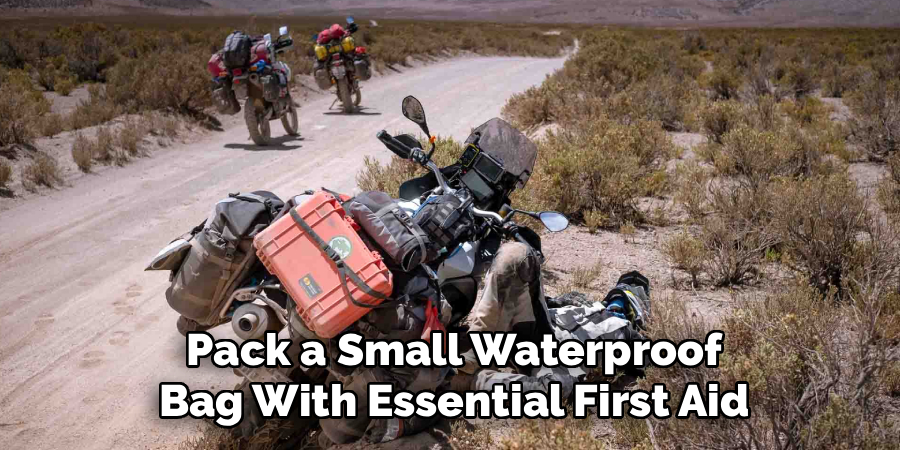
If your bus breaks down in a remote area, you will have the necessary tools to stay comfortable and connected. Keep this kit in your day bag rather than checked luggage so it is always within reach. A simple preparedness kit turns a potential crisis into a manageable inconvenience.
How to Stay Safe While Traveling
Always stay aware of your surroundings, especially when navigating crowded markets or unfamiliar city squares. Keep your valuables secure in hidden pockets and avoid displaying expensive jewelry or cameras publicly. Blending in with the local crowd helps deflect unwanted attention from opportunists.
Use trusted transportation options and actively avoid unlicensed taxis or unofficial ride services. Plan your daily routes in advance and share your live location with someone you trust back home. Stay in well-reviewed and safe accommodations that feature proper security measures like front desk staff or secure access codes.
Avoid walking alone late at night in unsafe, poorly lit, or deserted areas. Be highly cautious when interacting with strangers offering unsolicited help, unbelievable deals, or spontaneous tours. Always follow local rules, laws, and cultural norms to avoid unnecessary trouble with authorities.
Health Tips & Illness Prevention
Always drink clean and safe water to avoid severe stomach infections and rapid dehydration. If tap water is unsafe, stick to sealed bottled water or use a reliable purification system. Eat freshly cooked, steaming hot food and avoid street food stalls that look unhygienic or poorly maintained.
Wash your hands regularly with soap or use hand sanitizer before eating or touching your face. Carry basic, trusted medicines for unexpected fever, pain, motion sickness, and common stomach issues. Get enough rest and try to avoid overexertion during intensely long travel days.
Protect yourself from sudden weather changes by dressing appropriately for the local climate. Stay updated on all required vaccinations and health advisories before beginning any international travel. Manage your travel stress effectively by staying hydrated, eating properly, and prioritizing quality sleep.
Emergency Situations & What to Do
If you lose your passport or important documents, report it immediately to the nearest embassy and the local police authority. In the unfortunate case of theft or robbery, stay completely calm and do not resist. Move quickly to a safe, populated place and contact local law enforcement right away.
If you face a sudden medical emergency, seek the nearest hospital or call local emergency medical services instantly. During natural disasters or extreme weather, always follow official instructions and move to designated safe evacuation areas. If you get lost in an unfamiliar city, use offline maps, GPS, or ask for help from trusted officials.
Always keep essential emergency contact numbers saved securely in your phone and written on paper as a reliable backup. Inform a family member or close friend immediately if any serious or threatening situation happens during your travel. Carry physical copies of your travel insurance details so you can access financial and medical support quickly.
Common Mistakes to Avoid
Overtrusting strangers and sharing personal or travel itinerary details too quickly is a major security risk. Not buying comprehensive travel insurance and ignoring emergency preparedness leaves you highly vulnerable. Carrying all your money, credit cards, and vital documents in one single place eliminates your backup options.
Ignoring local safety rules, cultural norms, or wandering into restricted areas can lead to serious legal trouble. Traveling at night in unsafe or unfamiliar areas without proper planning or reliable transport is highly dangerous. Eating unsafe, raw, or unhygienic food without checking the cleanliness of the vendor often ruins trips.
Not keeping both digital and physical copies of your most important travel documents makes recovery extremely difficult. Relying exclusively on mobile internet without downloading offline maps or having backup communication options is a frequent oversight.
Finalizing Your Departure Strategy
Understanding how to handle emergencies while traveling starts with your actions right before you walk out the front door. Do a final, thorough check of all important travel documents like your passport, visa, flight tickets, and ID before leaving. Confirm your accommodation booking, finalize your transport schedule, and review your local directions one last time.
Double-check your money setup to ensure you have a good mix of cash, cards, and emergency backup funds. Ensure all your electronic devices are fully charged and that essential travel apps and maps are downloaded for offline use. Pack only truly necessary items and follow a safety-focused packing checklist to keep your luggage manageable.
Share your complete travel plan and emergency contact list with a trusted person who will monitor your progress. Reconfirm your health essentials, including required medicines, insurance validity, and necessary vaccination records. Stay calm, highly organized, and mentally prepared for a safe, smooth, and wonderful journey.

About
Ethan Brooks is a dedicated travel writer and tourism specialist with over a decade of experience exploring more than 150 countries. His professional focus centers on city routes and budget travel, where he combines real-world travel insights with efficient planning strategies.
Ethan is known for creating smart, well-structured travel systems that are practical, cost-effective, and easy to follow. As a core author at thetraveliy.com, he helps both first-time travelers and experienced explorers plan smooth, confident journeys.
Education
The University of Queensland (Australia) Bachelor’s Degree in Tourism Management
-
Focus: Global tourism systems, destination planning, and travel operations.
-
Specialization: Gained practical knowledge in travel logistics, itinerary development, and tourism industry structures.
Publications and Impact
At thetraveliy.com, Ethan Brooks publishes clear, structured, and experience-driven content focused on:
-
Transportation Logistics: Navigating complex transit systems with ease.
-
Itinerary Planning: Creating time-efficient schedules for any destination.
-
Budget-Friendly Solutions: Maximizing value without sacrificing the experience.
Ethan’s work simplifies complex travel decisions, making it easier for readers to plan efficient and affordable trips. By blending practical advice with real-world experience, he helps travelers create well-organized journeys while saving both time and money.