

Figuring out how to travel from London to Dublin is the first step toward an unforgettable adventure across the Irish Sea. This route is incredibly popular for both leisure tourism and quick business trips. Planning this journey properly saves you time, keeps travel costs down, and helps you avoid unnecessary stress at the airport or ferry terminal.
In this guide, you will learn the best ways to make the trip, including average costs, travel times, and highly useful tips. We will cover a short overview of all your major travel options, including short-haul flights, scenic train rides, budget-friendly buses, and driving via the ferry. Knowing your choices makes it much easier to pick the perfect option for your specific needs.
How to Get There
Travelers typically reach their starting point by taking the London Underground, a dedicated airport express train, or a local cab. If you choose to fly, your journey will begin at one of the major hubs like Heathrow, Gatwick, Stansted, Luton, or London City Airport. All of these offer regular flights arriving directly at Dublin Airport.
For those who prefer not to fly, major routes include taking a train to Holyhead in Wales, followed by a ferry crossing across the Irish Sea. Travel durations range widely, from a quick one-and-a-half-hour flight to a leisurely ten-to-twelve-hour combined bus and ferry ride. Transport options are available daily with high frequency. The route connects seamlessly, making it very straightforward to navigate using standard map applications on your phone.
6 Simple Steps on How to Travel From London to Dublin
Planning your trip might seem complicated, but breaking it down into manageable phases makes everything easier. There are multiple ways to make this journey, and understanding the process helps you prepare effectively. Each phase below applies whether you choose to fly, take the train, hop on a bus, or drive.
Step 1: Choose Your Transport
The very first thing you need to do is decide which transport method fits your budget and schedule. Flying is highly popular due to its speed, with flights taking just over an hour. If you prefer a more scenic and relaxed pace, the train and ferry combination is a fantastic alternative.
Taking a long-distance bus is usually the most budget-friendly option, though it requires a much longer travel day of up to twelve hours. Consider your comfort level and how much luggage you intend to bring. Budget travelers often favor the bus, while business travelers almost exclusively rely on daily flights. Taking the time to compare these options ensures you start your trip on the right foot.

Step 2: Book Your Tickets in Advance
Once you have selected your preferred travel method, securing your tickets early is highly recommended. Booking a few weeks ahead typically guarantees much lower prices, especially for flights out of busy airports like Heathrow or Gatwick. Train and ferry combinations also offer steep discounts for early birds.
Waiting until the last minute often results in paying premium fares or dealing with sold-out schedules. Most transport providers offer daily departures, giving you plenty of flexibility if you plan ahead. Keeping your digital tickets saved on your smartphone makes boarding simple and stress-free. Always double-check your departure times before finalizing the purchase.
Step 3: Prepare Your Travel Documents
Gathering your paperwork well before your departure date removes a major source of travel anxiety. Ensure your passport or valid national identification is readily accessible and up to date. While the Common Travel Area allows easy movement for local citizens, international visitors will definitely need a passport.
It is also wise to keep your hotel confirmation and return ticket details handy, as border officials sometimes request to see them. Having digital backups of these documents on your phone is a smart safety measure. This step is essential for everyone, regardless of whether you fly or take the ferry. Staying organized keeps your transit incredibly smooth.
Step 4: Pack for the Irish Weather
Packing correctly makes a massive difference in your overall comfort level during the trip. The weather across the Irish Sea is famously unpredictable, often featuring rain, wind, and sunshine all in the exact same afternoon. Bringing layers is the smartest approach for this specific climate.

A sturdy, water-resistant jacket and comfortable walking shoes are absolute necessities for exploring the city streets. If you are flying on a budget airline, pay close attention to the strict cabin baggage limits to avoid unexpected fees. Train and ferry passengers enjoy much higher luggage allowances, making it a great choice for heavy packers. Keep an umbrella easily accessible in your day bag.
Step 5: Navigate to Your Departure Point
Getting to your departure station or airport efficiently sets a positive tone for the entire travel day. London is massive, so checking local transit schedules the night before is incredibly important. Use the Tube, regional rail, or a pre-booked car service to reach your terminal with plenty of time to spare.
If you are flying, aim to arrive at least two hours early to clear security without rushing. Those taking the train to the ferry terminal at Holyhead should arrive at London Euston station about thirty minutes prior to departure. Arriving early gives you time to grab a coffee and find your platform or gate peacefully.
Step 6: Complete Your Journey and Arrive in Dublin
The final phase involves settling in and enjoying the actual transit. If you are on a flight, the journey is over almost before it begins, touching down quickly at the main international airport. Ferry passengers can spend their crossing enjoying a meal, walking the deck, and taking in the beautiful coastal views.
Once you arrive, finding local transport to the city center is remarkably easy. Express buses and taxis wait right outside both the airport terminals and the ferry docks. Having a little local currency ready for a cab fare makes this final transition completely seamless. Welcome to your destination!
Pros and Cons of Each Travel Option
Every single transport choice comes with its own unique advantages and disadvantages. Flying is undeniably the fastest and most convenient method, but it often involves strict luggage rules and stressful airport security lines.
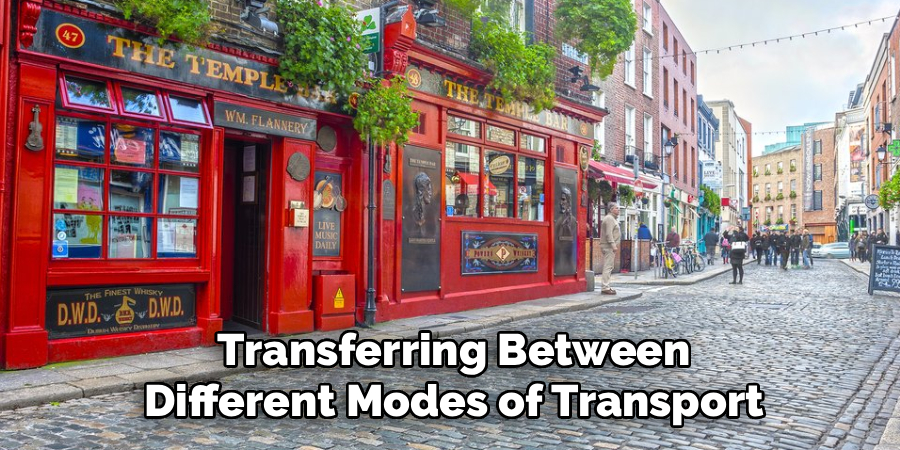
The train and ferry combination offers incredible scenic views, high comfort, and generous baggage allowances. However, this route takes a significantly longer time and requires transferring between different modes of transport. Taking the bus is exceptionally kind to your wallet, yet it requires sitting for many hours. Driving yourself gives you ultimate flexibility, but fuel and ferry costs for a vehicle can add up quickly.
Best Way to Travel
For the vast majority of people, flying is the best overall choice. It offers an unbeatable balance of reasonable costs and incredibly short travel times. Multiple airlines fly this route dozens of times a day, providing unmatched flexibility for your schedule.
While the train and ferry journey is beautiful, the sheer convenience of a ninety-minute flight is hard to pass up. Average travelers find that flying maximizes their vacation time without draining their budget. Just be sure to account for the time it takes to travel to and from the airports.
Cheapest Way to Travel
Taking a long-distance coach bus is generally the lowest-cost option available. Prices for a combined bus and ferry ticket can be incredibly affordable, often coming in well under the cost of a budget airline ticket.
The low price is possible because you share the transport costs with many other passengers over a longer, slower route. The major trade-off is the lengthy travel duration, which can easily take up an entire day. Services run regularly, but you will experience lower comfort levels and multiple stops along the way. Booking well in advance guarantees the very best budget fares.
Fastest Way to Travel
Without a doubt, flying is the absolute fastest way to complete this journey. The flight itself takes roughly an hour and a half from takeoff to touchdown.
Even when you factor in the time spent commuting to the airport, passing through security, and waiting at the gate, it still beats ground transport by several hours. Direct routes mean you do not have to worry about missing connecting trains or waiting at the docks. This option is perfect for travelers who prioritize time over everything else. Direct flights are available from early morning until late at night.
Travel Documents You Must Carry
Carrying the correct identification is a vital part of your trip preparation. You should always travel with a valid passport or official national ID card. International tourists must check if they require a specific visa prior to departure.

Keep your digital and printed travel tickets easily accessible at all times. It is highly recommended to carry proof of your hotel booking and a copy of your travel insurance policy. Bringing your driver’s license is necessary if you plan on renting a car upon arrival. Store all these important items safely in a dedicated travel folder.
Estimated Budget & Money-Saving Tips
An average weekend trip budget largely depends on your travel style and transport choices. You can expect to spend a moderate amount on transport, accommodation, and daily meals if you plan carefully.
To save money, always try to book your flights or train tickets several weeks in advance. Traveling during the off-season or mid-week also drops prices significantly. Relying on local public transit instead of private cabs will keep your daily expenses manageable. Look out for tourist city passes that offer major discounts on popular attractions and local transport.
Currency & Money Management
While your starting point uses the British Pound, your destination operates entirely on the Euro. Having a basic understanding of the current exchange rate helps you manage your daily spending effectively.
Credit and debit cards are universally accepted, and contactless payments are the standard for almost everything. ATMs are widely available across the city for withdrawing small amounts of cash. Using a travel card with zero foreign transaction fees is a brilliant way to avoid heavy banking charges. Always keep a little cash on hand for small purchases at local markets.
Internet & WiFi Availability
Staying connected during your trip is incredibly easy and convenient. Free public WiFi is readily available at all major airports, train stations, and modern cafes.
The general internet speed in urban areas is very fast and highly reliable. Many hotels offer excellent complementary internet, though rural areas might experience slight drops in coverage. Using your mobile data plan is a great backup, but ensure your provider does not charge hefty roaming fees. Always avoid doing sensitive banking on unsecured public networks to keep your data safe.
Travel Tips
Careful planning goes a long way in ensuring a perfectly smooth journey. Always book your main transport and hotel accommodations well in advance to secure the best rates.

Arriving early at the airport or train station completely eliminates the stress of rushing. Keep your essential documents neatly organized in one easily accessible place within your personal bag. Packing light allows you to move freely without dragging heavy suitcases through crowded terminals. Check the local weather forecast a few days before you leave so you pack the right clothing.
Travel Safety, Common Scams & Mistakes to Avoid
Practicing basic safety awareness ensures your trip remains memorable for all the right reasons. Common scams usually involve unofficial taxis or individuals overcharging for basic tourist services.
You can easily prevent this by only using verified transport apps and official taxi ranks. Keep your wallet, phone, and important bags completely secure, especially when navigating busy transit hubs. Never share your personal travel itinerary or hotel details with overly friendly strangers. Staying alert in crowded tourist areas is the best way to deter opportunistic pickpockets.
Safety & Health Precautions
Taking care of your physical well-being is just as important as keeping your belongings secure. Stay properly hydrated during your transit days and practice basic hand hygiene after using public transport.
Unfamiliar, crowded areas carry a slightly higher risk for common colds, so washing your hands frequently is highly advised. Packing a small first-aid kit with basic pain relievers and any personal medications is a very smart move. The local tap water is perfectly safe to drink, which helps you avoid buying single-use plastics. Always keep your emergency contacts saved in your phone just in case.
Emergency Contacts & Useful Links
Having immediate access to help provides wonderful peace of mind while traveling. The universal emergency number for police, fire, and ambulance services in your destination is 112 or 999.
It is a great idea to save the local contact details of your home country’s embassy or consulate. Keep the customer service helplines for your airline or train operator saved in case of sudden delays. General government tourism websites provide highly accurate updates on local travel conditions. Saving all this information offline ensures you can access it even without an internet connection.
Frequently Asked Questions
What is the cheapest month to travel?
Traveling during the late fall and winter months usually offers the lowest prices. January and February are incredibly affordable for both flights and accommodations. Booking well in advance guarantees the best budget-friendly rates.

Do I need a passport for this trip?
Yes, carrying a valid passport is highly recommended for all travelers. While local citizens have specific travel agreements, international visitors absolutely must present a passport. Airlines often require it as standard official identification.
How to travel from London to Dublin?
The most efficient method is taking a short direct flight between the major airports. If you prefer ground travel, taking a train to Wales and connecting to a ferry is a beautiful, highly comfortable alternative.
Conclusion
Understanding how to travel from London to Dublin ensures your upcoming trip starts completely stress-free. Whether you fly through the skies or sail across the sea, the journey is safe, modern, and highly accessible. Proper preparation and smart packing will make the transit feel like a breeze. Enjoy the beautiful sights, stay alert, and have a truly wonderful time exploring!

About
Ethan Brooks is a dedicated travel writer and tourism specialist with over a decade of experience exploring more than 150 countries. His professional focus centers on city routes and budget travel, where he combines real-world travel insights with efficient planning strategies.
Ethan is known for creating smart, well-structured travel systems that are practical, cost-effective, and easy to follow. As a core author at thetraveliy.com, he helps both first-time travelers and experienced explorers plan smooth, confident journeys.
Education
The University of Queensland (Australia) Bachelor’s Degree in Tourism Management
-
Focus: Global tourism systems, destination planning, and travel operations.
-
Specialization: Gained practical knowledge in travel logistics, itinerary development, and tourism industry structures.
Publications and Impact
At thetraveliy.com, Ethan Brooks publishes clear, structured, and experience-driven content focused on:
-
Transportation Logistics: Navigating complex transit systems with ease.
-
Itinerary Planning: Creating time-efficient schedules for any destination.
-
Budget-Friendly Solutions: Maximizing value without sacrificing the experience.
Ethan’s work simplifies complex travel decisions, making it easier for readers to plan efficient and affordable trips. By blending practical advice with real-world experience, he helps travelers create well-organized journeys while saving both time and money.