

Planning a trip across England is always an exciting adventure. If you are wondering how to travel from London to Liverpool, you are looking at one of the most popular routes in the country. This journey connects the bustling capital with a vibrant city famous for its rich musical and football history.
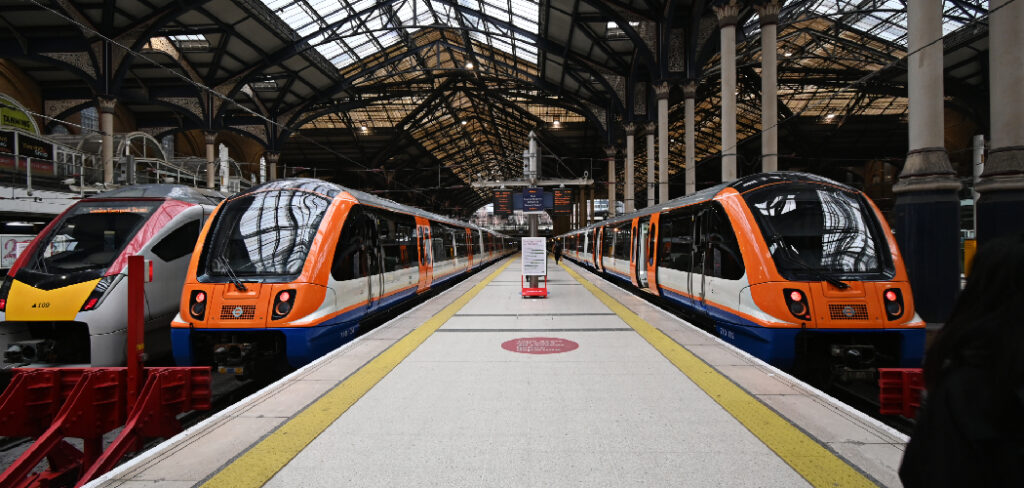
Planning this trip properly saves you money, cuts down on travel time, and keeps your stress levels completely manageable. Throughout this guide, you will learn about the best transportation choices, estimated costs, and practical tips for a smooth ride. You have several great options available, including a quick train journey, a budget-friendly bus ride, or a highly scenic drive up north.
How to Get There
Reaching the starting point is straightforward since London boasts major airports like Heathrow and Gatwick. Most travelers simply take a subway or taxi from the airport to central transit hubs like London Euston or Victoria Coach Station. From there, the main routes heading north include direct high-speed rail, long-distance buses, and well-maintained highways for those driving.
Travel durations generally range from just over two hours on a fast train to about five hours by bus or car. Transport frequency is excellent, with dozens of departures happening every single day. The basic route takes you northwest through the beautiful English countryside, bypassing Birmingham before hitting the coast. A quick glance at a digital map will reveal a highly direct and navigable path.
6 Essential Steps on How to Travel From London to Liverpool
Step 1: Choose Your Transport
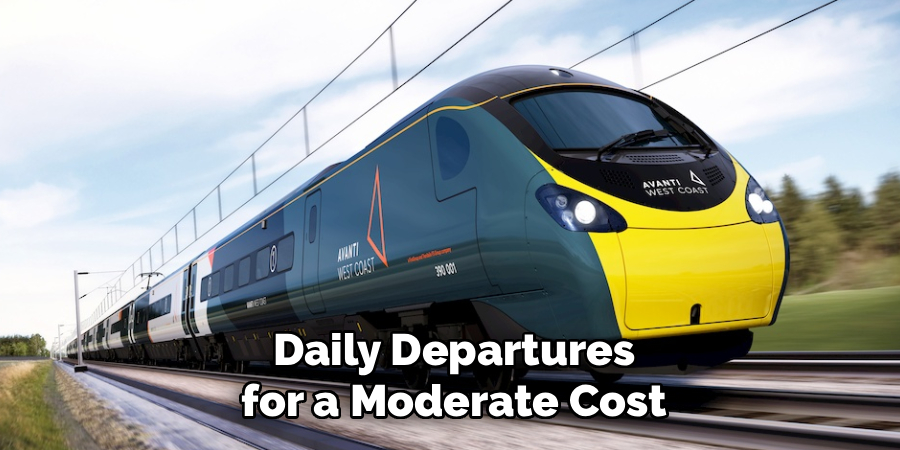
The first phase of your journey is deciding which mode of transportation fits your schedule and budget. You can select a high-speed train, a long-distance coach, a domestic flight, or a rental car. Trains take roughly two hours and fifteen minutes, offering high comfort and frequent daily departures for a moderate cost.
Taking a bus extends the trip to about five hours, but it provides a low-cost alternative for budget-conscious travelers. Renting a car takes around four hours and is ideal for groups wanting route flexibility. Picking the right option early makes your entire itinerary fall into place effortlessly.
Step 2: Book Your Tickets in Advance
Once you know your preferred transportation, securing your tickets ahead of time is incredibly important. Train and bus fares typically operate on dynamic pricing, meaning costs rise significantly as your travel date approaches. Booking a few weeks early can turn an expensive rail ticket into a highly affordable expense.
Purchasing early also guarantees your seat, which is crucial since weekend routes often sell out entirely. This step is essential for anyone looking to keep their travel budget intact while securing a comfortable trip. You should always check official transit websites directly to find the most accurate schedules and pricing.
Step 3: Pack Smart and Light
Preparing your luggage thoughtfully makes navigating busy transit stations a much smoother experience. Trains and buses usually provide dedicated luggage racks, but storage space can fill up quickly during peak travel hours. Bringing only a medium-sized suitcase and a small personal bag keeps your comfort level high and your mobility easy.
This step is highly recommended for budget travelers taking the coach, as strict baggage limits often apply. If you decide to drive, you naturally have more flexibility with trunk space. A practical tip is to keep your electronics and tickets in a small, easily accessible crossbody bag.
Step 4: Navigate to the Departure Point
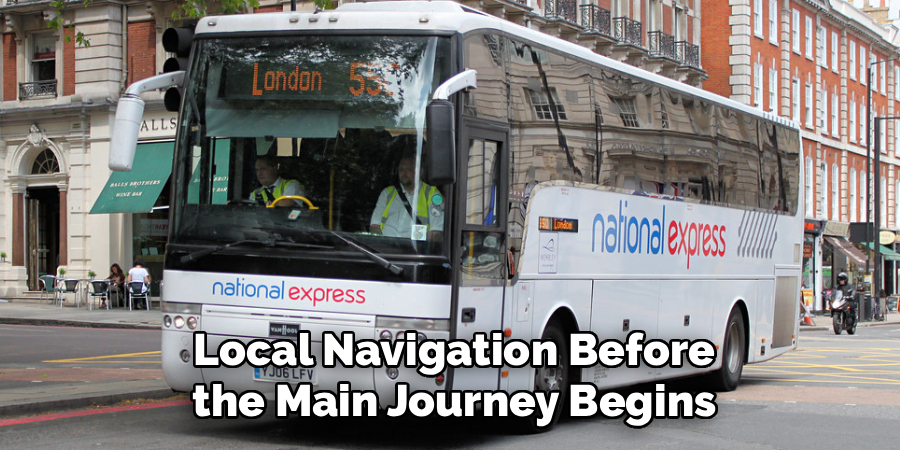
Getting to your specific departure hub requires a little local navigation before the main journey begins. If you booked a rail ticket, you will likely need to reach London Euston station using the local subway system. For bus passengers, Victoria Coach Station is the primary departure point, centrally located and highly accessible.
Arriving at these hubs at least thirty minutes early ensures a calm, highly comfortable boarding process. This approach is perfect for travelers who want to grab a coffee and find the correct platform without rushing. Always allow extra local transit time during morning or evening rush hours.
Step 5: Enjoy the Scenic Journey
Once you are comfortably in your seat, it is time to relax and watch the beautiful landscape roll by. The quick train ride offers a high comfort level, featuring large windows that showcase the lush English countryside. Coach journeys take roughly five hours and provide a pleasant ride with onboard restrooms and reclining seats.
If you chose to drive, the highway route offers plenty of pleasant rest stops and quaint towns to explore. This part of the trip is wonderful for fast-paced travelers who finally have a moment to rest. Consider bringing a good book to pass the time.
Step 6: Arrive and Explore Liverpool
The final step is arriving at your destination and seamlessly transitioning into your planned itinerary. Trains pull directly into Liverpool Lime Street, a stunning historic station located right in the heart of the city. Bus passengers will typically be dropped off at the central bus station, perfectly positioned near major hotels and attractions.
This high-convenience arrival means you can start exploring or check into your accommodation almost immediately. It is ideal for eager tourists who want to maximize their time visiting famous maritime museums. From these central hubs, the local public transit network is incredibly easy to navigate.
Pros and Cons of Each Travel Option
Every transportation method for this route comes with its own unique advantages and disadvantages. Taking the rail is incredibly fast and comfortable, but last-minute tickets can become quite expensive. Riding the bus is wonderfully affordable and runs frequently, yet the longer journey takes a large portion of your day.
Driving gives you total freedom to explore smaller towns, though you must deal with heavy traffic and high parking fees. Flights are technically available via nearby hubs, but the extra airport transit time usually makes them impractical. Weighing these simple factors makes choosing your ideal transport much easier.
Best Way to Travel
The absolute best overall option for this specific route is taking the direct high-speed train. It strikes the perfect balance between reasonable cost, excellent comfort, and minimal transit time. Departing from the capital, you will arrive at your destination in just over two hours without any stressful transfers.

These trains are highly reliable, run frequently, and feature convenient amenities like charging outlets and spacious seating. This choice easily outperforms driving or taking a long-distance coach for the average traveler wanting a smooth trip. Reserving a seat ahead of time keeps this premium choice surprisingly affordable for most budgets.
Cheapest Way to Travel
If keeping expenses low is your main priority, the long-distance coach is undoubtedly the cheapest travel option available. Ticket prices can sometimes drop to just a few dollars if you book during promotional periods or several weeks in advance. This low cost is possible because you are sharing the operational expenses with many other passengers.
The main trade-off is a significantly longer journey, often taking up to five hours depending on highway traffic. However, these coach services run regularly throughout the day and night, offering great flexibility. Traveling during off-peak daytime hours is a fantastic way to save even more.
Fastest Way to Travel
The fastest way to complete this journey is by taking a direct high-speed train from London Euston. From door to door, the entire trip usually takes under three hours, with the train portion lasting only about two hours and fifteen minutes. This method is exceptionally fast because it follows a direct rail line with very few intermediate stops.
Unlike flying, you completely avoid lengthy airport security lines, baggage claims, and out-of-the-way terminals. You simply arrive at the station, board your carriage, and relax until you reach your destination. It perfectly maximizes convenience for those on a tight schedule.
Travel Documents You Must Carry
Having the right paperwork organized ensures you will not face any unexpected delays during your trip. International visitors must carry a valid passport and any required visas for the duration of their stay. Domestic travelers should always have a standard national ID or a driver’s license on hand.
You will need digital or printed copies of your transit tickets, hotel booking confirmations, and travel insurance details. Carrying a primary credit card alongside a backup debit card is highly recommended for easy payments. Keeping these important documents organized in a secure, waterproof travel folder makes your journey completely stress-free.
Estimated Budget & Money-Saving Tips
Your overall budget for this trip will largely depend on your preferred comfort level and booking timeline. A budget traveler can easily complete the journey and a day of exploring for around fifty to seventy dollars. Mid-range spending, which includes a train ticket and a nice sit-down meal, will likely cost closer to one hundred and fifty dollars.
To save money, always try to travel during off-peak periods like mid-week afternoons. Using local public transit upon arrival instead of relying on private taxis will drastically reduce your daily expenses. Look out for digital railcards that offer significant fare discounts.
Currency & Money Management
The local currency used across both cities is the British Pound Sterling. It is always helpful to have a basic understanding of the current exchange rate before you depart to track your spending accurately. Contactless payments and major credit cards are widely accepted everywhere, from train station cafes to local museums.
ATMs are incredibly accessible in both transit hubs and city centers if you need to withdraw funds. Carrying a small amount of physical cash is useful for tipping or buying small items from independent vendors. Always decline dynamic currency conversion at card terminals to avoid hidden exchange fees.
Internet & WiFi Availability
Staying connected during your journey is incredibly easy thanks to widespread internet infrastructure. Major train stations, airports, and coffee shops offer free public WiFi networks that are usually quite reliable. High-speed trains and long-distance buses also frequently provide complimentary onboard internet, though speeds may drop in rural areas.
While these free options are convenient, using your own mobile data plan acts as a reliable backup when moving between locations. Always exercise caution by avoiding sensitive banking transactions while connected to unsecured public networks. You can fully expect excellent, high-speed internet access once you check into your hotel.
Travel Tips
Following a few simple practices will ensure your journey is as smooth and enjoyable as possible. Planning and booking your tickets well in advance is the best way to secure comfortable seats and great prices. Always aim to arrive at your designated station at least thirty minutes early to find your platform without feeling rushed.
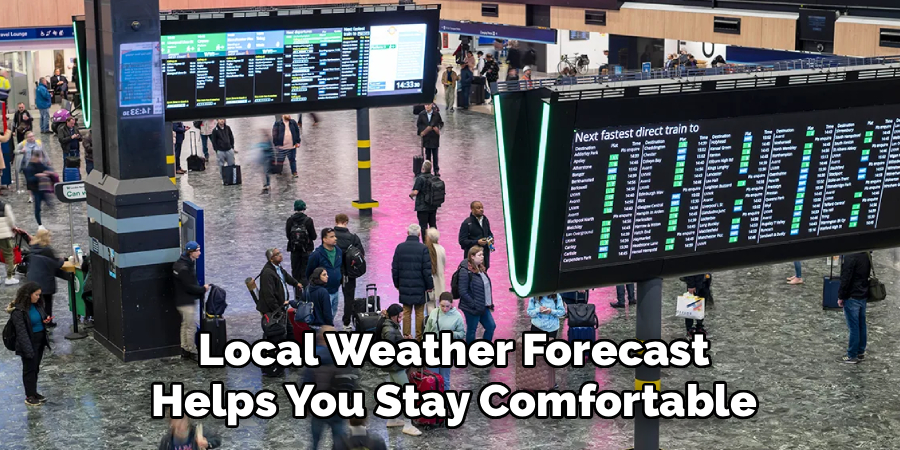
Packing light and checking the local weather forecast helps you stay comfortable while dragging luggage through busy streets. Downloading official transit apps provides real-time updates regarding any unexpected platform changes or delays. Keeping your belongings organized makes the entire transit process incredibly seamless.
Travel Safety, Common Scams & Mistakes to Avoid
Practicing general travel safety awareness ensures your trip remains a positive and memorable experience. While both cities are generally safe, tourists should watch out for common issues like overcharging by unofficial taxis. You can easily avoid this by only using licensed cabs or trusted rideshare applications.
Be particularly mindful of your belongings in crowded transit hubs where accidental bag mix-ups or opportunistic theft can occasionally happen. Keeping your wallet and phone in secure, zipped pockets is a smart preventative habit. Try to avoid sharing your exact accommodation details with strangers to maintain your personal privacy.
Safety & Health Precautions
Taking basic health and safety precautions keeps your energy levels high throughout the travel day. Staying properly hydrated and washing your hands frequently are simple habits that protect against typical travel fatigue. Navigating large crowds or unfamiliar transit stations can sometimes feel overwhelming, so always walk with purpose and stay aware of

About
Ethan Brooks is a dedicated travel writer and tourism specialist with over a decade of experience exploring more than 150 countries. His professional focus centers on city routes and budget travel, where he combines real-world travel insights with efficient planning strategies.
Ethan is known for creating smart, well-structured travel systems that are practical, cost-effective, and easy to follow. As a core author at thetraveliy.com, he helps both first-time travelers and experienced explorers plan smooth, confident journeys.
Education
The University of Queensland (Australia) Bachelor’s Degree in Tourism Management
-
Focus: Global tourism systems, destination planning, and travel operations.
-
Specialization: Gained practical knowledge in travel logistics, itinerary development, and tourism industry structures.
Publications and Impact
At thetraveliy.com, Ethan Brooks publishes clear, structured, and experience-driven content focused on:
-
Transportation Logistics: Navigating complex transit systems with ease.
-
Itinerary Planning: Creating time-efficient schedules for any destination.
-
Budget-Friendly Solutions: Maximizing value without sacrificing the experience.
Ethan’s work simplifies complex travel decisions, making it easier for readers to plan efficient and affordable trips. By blending practical advice with real-world experience, he helps travelers create well-organized journeys while saving both time and money.