

Modern travel brings incredible opportunities, but understanding how to avoid phone charges when traveling internationally is a vital part of protecting your overall safety and budget. Travel safety is more important today than ever before, as global journeys can introduce unexpected challenges. You might encounter common travel risks like theft, clever tourist scams, sudden health issues, frustrating flight delays, and unforeseen emergencies.

Proper preparation before and during your travel matters immensely. A well-planned itinerary and careful packing of travel essentials can prevent minor inconveniences from becoming major crises. In this comprehensive guide, you will learn exactly how to protect your devices, secure your finances, and navigate unfamiliar destinations with confidence. We provide a smooth transition into essential safety, health, and problem-solving topics for every traveler.
Common Travel Risks & Problems
Navigating crowded tourist areas, busy transport hubs, and vibrant local markets can expose you to theft and skilled pickpockets. Thieves often target distracted visitors, making it crucial to stay alert and guard your belongings closely.
Scams targeting tourists are another frequent issue across the globe. You might encounter fake guides offering unsolicited tours, vendors overcharging for simple goods, elaborate taxi scams, or phishing offers aimed at stealing your data.
Health-related issues can also disrupt your journey unexpectedly. Travelers frequently face challenges like food poisoning, severe dehydration, or sudden illnesses from unfamiliar environments. Travel delays and disruptions add another layer of stress to your trip. You might deal with sudden flight cancellations, missed connections, or lost luggage that completely derails your itinerary.
Safety risks are especially prevalent during solo travel. Navigating unfamiliar areas or walking alone at night requires heightened situational awareness. Environmental risks such as bad weather, unpredictable natural disasters, or unsafe road conditions can complicate your transportation plans.
Furthermore, communication and language barriers often cause deep confusion or frustrating misunderstandings. Finally, financial risks, including credit card fraud, cash loss, or poor money management, can leave you stranded without vital resources.
6 Simple Steps on How to Avoid Phone Charges When Traveling Internationally
This practical step-by-step travel safety guide is designed to help protect yourself, your money, essential documents, mobile devices, and overall health while traveling. Travel safety always varies depending on your chosen destination, preferred transportation methods, and personal travel style. However, ensuring your digital and physical security is a universal requirement. This section comprehensively covers all major safety areas, including personal security, health protection, money safety, document preservation, and emergency preparedness.
Step 1: Stay Safe by Managing Mobile Data
Understanding exactly how to avoid phone charges when traveling internationally begins with strictly managing your cellular data settings before you board the plane. You must disable data roaming on your smartphone to prevent your carrier from connecting to expensive foreign networks. Real travel situations, like waiting in an international airport or checking into a busy hotel, often prompt automatic data usage if settings are left active. Turn off cellular data for non-essential apps to ensure background updates do not quietly drain your travel budget. By maintaining awareness of your device settings, you naturally prevent massive billing surprises while keeping your phone available for emergency offline use.
Step 2: Stay Safe by Using Local Wi-Fi Networks
Securing reliable internet access without paying premium carrier fees involves seeking out trusted local Wi-Fi networks in your destination. When you arrive at your hotel, a local cafe, or a public transport hub, always ask for the official, password-protected network. Be cautious of open, unsecured networks in crowded places, as they can easily expose your personal data to local hackers. You can protect your connection by using a reputable Virtual Private Network, ensuring your financial information remains completely secure. This simple protection strategy allows you to use essential travel apps and stay connected with family without relying on expensive cellular plans.
Step 3: Stay Safe by Downloading Offline Maps
Navigating unfamiliar cities requires proper tools, so downloading offline maps is a crucial step for both digital safety and physical security. Before leaving your secure Wi-Fi connection, download comprehensive maps of your entire travel area using apps like Google Maps. This allows you to find your way back to your accommodation at night without needing an active data connection. If you ever find yourself lost in a busy tourist district or rural area, having offline access prevents rising panic and vulnerable situations. Relying on offline navigation ensures you always maintain a calm, practical approach to daily travel without risking carrier fees.
Step 4: Stay Safe by Using Alternative Communication Apps
Maintaining contact with loved ones and emergency services is essential, and alternative communication apps provide a safe, free solution. Applications like WhatsApp, FaceTime, or Signal allow you to make voice and video calls entirely over Wi-Fi networks. Incorporate these tools into your daily travel routine when you are securely connected at your accommodation or a trusted restaurant. This prevents the need for traditional international voice calls, which often carry exorbitant per-minute fees from your home provider. Staying regularly in touch with a trusted person enhances your overall travel safety and ensures someone always knows your general location.
Step 5: Stay Safe by Purchasing a Local SIM Card
Acquiring a local SIM card provides immediate access to affordable local networks and is a fantastic emergency handling strategy. If your phone is unlocked, purchasing a local SIM at the airport or a nearby convenience store gives you a dedicated local number and data pool. This allows you to easily contact local police, medical facilities, or transportation services during sudden emergencies without worrying about cost. Having guaranteed, low-cost connectivity while traveling through remote areas or utilizing public transport adds an immense layer of personal security. This proactive measure keeps you well-prepared for any situation while successfully bypassing your home carrier’s expensive international rates.
Step 6: Stay Safe by Monitoring Your Device Security
Keeping your physical device secure is just as important as managing your digital connections during your international journey. Always treat your smartphone as a valuable travel essential, keeping it securely tucked away in a zipped bag or front pocket in crowded places. Avoid displaying your expensive device publicly on busy streets or while standing near the doors of local trains. If your device is stolen, having a passcode, biometric lock, and remote wiping capabilities ensures thieves cannot access your private data. Combining digital connectivity strategies with strong physical protection guarantees a stress-free, secure experience throughout your entire trip.

How to Stay Safe While Traveling
Always stay acutely aware of your surroundings, especially when navigating crowded markets or unfamiliar city streets. Thieves rely on distraction, so maintaining strong situational awareness is your best defense against petty crime. Keep your valuables completely secure and consciously avoid displaying expensive items, jewelry, or electronics publicly.
Use only trusted transportation options recommended by your hotel or official tourism boards. You must actively avoid unlicensed taxis or aggressive transport services that approach you outside airports and train stations. Plan your daily routes carefully in advance, and always share your live location or daily itinerary with someone you deeply trust back home.
Stay in well-reviewed, safe accommodations that feature proper security measures like locked entrances and in-room safes. When exploring, avoid walking alone late at night in unsafe, industrial, or poorly lit residential areas. Be extremely cautious when interacting with overly friendly strangers offering unsolicited help, spontaneous tours, or unbelievable deals. Finally, always research and follow local rules, laws, and cultural norms to easily avoid unnecessary trouble with local authorities.
Health Tips & Illness Prevention
Always drink clean, purified, and safe bottled water to effectively avoid severe stomach infections and rapid dehydration. You should also eat freshly cooked, steaming hot food and completely avoid raw street food that looks unhygienic or has been sitting out.
Wash your hands regularly with soap, or frequently use an alcohol-based hand sanitizer before eating meals or touching your face. Make sure to carry a basic medical kit filled with medicines for sudden fevers, unexpected pain, severe motion sickness, and common stomach issues.
Get plenty of rest and avoid dangerous overexertion during intensely long travel days or extensive walking tours. Protect your immune system from drastic weather changes by layering clothing and dressing appropriately for the local climate.
Stay fully updated on all required vaccinations and medical advisories well before your international travel begins. You can effectively manage daily travel stress by proactively staying hydrated, eating highly nutritious meals, and sleeping incredibly well every night.
Emergency Situations & What to Do
If you tragically lose your passport or other crucially important documents, report the loss immediately to the nearest embassy or local official authority. In the frightening case of a sudden theft or armed robbery, stay incredibly calm, move quickly to a safe public place, and contact local police right away.
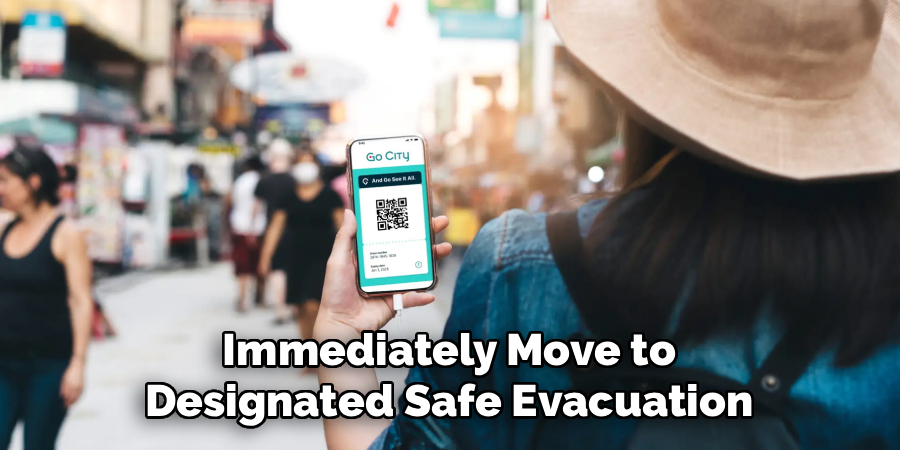
If you or a companion face a severe medical emergency, immediately seek out the nearest reputable hospital or quickly call local emergency medical services. During unexpected natural disasters or terrifying extreme weather events, strictly follow all official government instructions and immediately move to designated safe evacuation areas.
If you get terribly lost in a confusing area, calmly use your offline maps, GPS devices, or politely ask for help from trusted officials like police officers. Always keep your essential emergency contact numbers securely saved in your phone and physically written on paper as a reliable backup.
Inform a reliable family member or close friend immediately if any serious, life-altering situation ever happens during your travel. Always carry your comprehensive travel insurance details with you so you can access financial and medical support incredibly quickly in dire emergencies.
Common Mistakes to Avoid
A frequent danger is overtrusting friendly strangers and accidentally sharing your private personal details or specific travel plans too quickly. Similarly, many people make the terrible mistake of not buying comprehensive travel insurance and completely ignoring basic emergency preparedness.
Carrying all your hard-earned money, credit cards, and vital documents in one single place without any backup options is a recipe for absolute disaster. Ignoring strict local safety rules, deep cultural norms, or wandering into clearly restricted areas can easily lead to severe legal trouble.
Traveling late at night in completely unsafe areas without utilizing proper planning or secure transport heavily increases your risk of falling victim to violent crime. Eating clearly unsafe, raw, or wildly unhygienic food without checking basic cleanliness standards frequently ruins entire vacations.
Furthermore, not keeping secure digital or physical copies of important documents makes recovering from theft incredibly difficult. Finally, heavily relying only on mobile internet without having offline maps or alternative backup communication options leaves you extremely vulnerable in dead zones.
Finalizing Your Departure Strategy
Learning exactly how to avoid phone charges when traveling internationally is just one critical part of your final preparation checklist. Do a meticulous, final check of all important travel documents, including your passport, approved visa, flight tickets, and valid ID, before leaving your home.
Confirm your initial accommodation booking, verify your airport transport schedule, and closely review your local arrival directions. Double-check your entire money setup, ensuring you have small local cash, travel-friendly credit cards, and accessible emergency backup funds.
Ensure all your necessary devices are fully charged, and critically essential apps or offline maps are fully downloaded. Pack only truly necessary items and closely follow a strict, safety-focused packing checklist to avoid dragging heavy, vulnerable luggage.
Share your full, detailed travel plan and direct emergency contacts with a highly trusted person back home. Reconfirm your essential health items like prescription medicines, active insurance policies, and mandatory vaccination requirements. By doing so, you will stay incredibly calm, perfectly organized, and fully mentally prepared for a remarkably safe and smooth journey.

About
Ethan Brooks is a dedicated travel writer and tourism specialist with over a decade of experience exploring more than 150 countries. His professional focus centers on city routes and budget travel, where he combines real-world travel insights with efficient planning strategies.
Ethan is known for creating smart, well-structured travel systems that are practical, cost-effective, and easy to follow. As a core author at thetraveliy.com, he helps both first-time travelers and experienced explorers plan smooth, confident journeys.
Education
The University of Queensland (Australia) Bachelor’s Degree in Tourism Management
-
Focus: Global tourism systems, destination planning, and travel operations.
-
Specialization: Gained practical knowledge in travel logistics, itinerary development, and tourism industry structures.
Publications and Impact
At thetraveliy.com, Ethan Brooks publishes clear, structured, and experience-driven content focused on:
-
Transportation Logistics: Navigating complex transit systems with ease.
-
Itinerary Planning: Creating time-efficient schedules for any destination.
-
Budget-Friendly Solutions: Maximizing value without sacrificing the experience.
Ethan’s work simplifies complex travel decisions, making it easier for readers to plan efficient and affordable trips. By blending practical advice with real-world experience, he helps travelers create well-organized journeys while saving both time and money.