
Planning a trip brings excitement, but it also requires careful preparation to ensure a smooth journey. Knowing exactly How to Keep Documents Safe While Traveling is one of the most critical parts of your adventure. Without your passport, visa, or ID, a dream vacation can quickly become a stressful ordeal. Proper preparation before and during your trip matters immensely for your peace of mind.
Travelers face common risks every day, ranging from minor delays to unexpected theft or health issues. You might encounter crowded transportation hubs where pickpockets thrive or face unexpected weather changes that disrupt your itinerary. We want to help you avoid these pitfalls with practical, actionable advice.
In this guide, you will learn comprehensive strategies to protect your travel essentials and handle unexpected situations gracefully. We cover everything from securing your physical papers to managing health and emergency scenarios. Let us walk through the best ways to ensure your safety, health, and overall well-being on the road.
Common Travel Risks & Problems
Every journey carries a unique set of challenges that can disrupt your well-being and schedule. Theft and pickpocketing are major concerns, especially in crowded tourist areas, busy transport hubs, and bustling local markets. Thieves often target distracted visitors, looking to snatch wallets, phones, and important travel essentials without being noticed.
Scams targeting tourists also remain a persistent problem worldwide. You might encounter fake guides offering unsolicited tours, overcharging vendors, taxi scams, or even digital phishing offers related to your airline rules. Health-related issues pose another significant risk to your vacation. Food poisoning, dehydration, or sudden illness can easily ruin a planned itinerary if you are not careful.
Travel delays and disruptions, like flight cancellations, missed connections, or lost luggage, frequently test a traveler’s patience. Safety risks also increase during solo travel, particularly when navigating unfamiliar areas or taking transportation late at night. Environmental risks, such as unexpected bad weather, natural disasters, or unsafe road conditions, require constant vigilance.
Furthermore, communication and language barriers often cause confusion or misunderstandings with locals and authorities. Financial risks, including card fraud, cash loss, or poor money management, can leave you stranded. Being aware of these common travel risks is the first step toward a secure and enjoyable trip.
6 Practical Steps on How to Keep Documents Safe While Traveling
This practical step-by-step travel safety guide is designed to help you protect yourself, your money, documents, devices, and health. Travel safety varies greatly depending on your destination, chosen transportation, and personal travel style. However, establishing strong habits will protect your most valuable items anywhere in the world. This section covers all major safety areas, moving logically from personal awareness to emergency preparedness.
Step 1: Understand How to Keep Documents Safe While Traveling by Creating Digital Copies
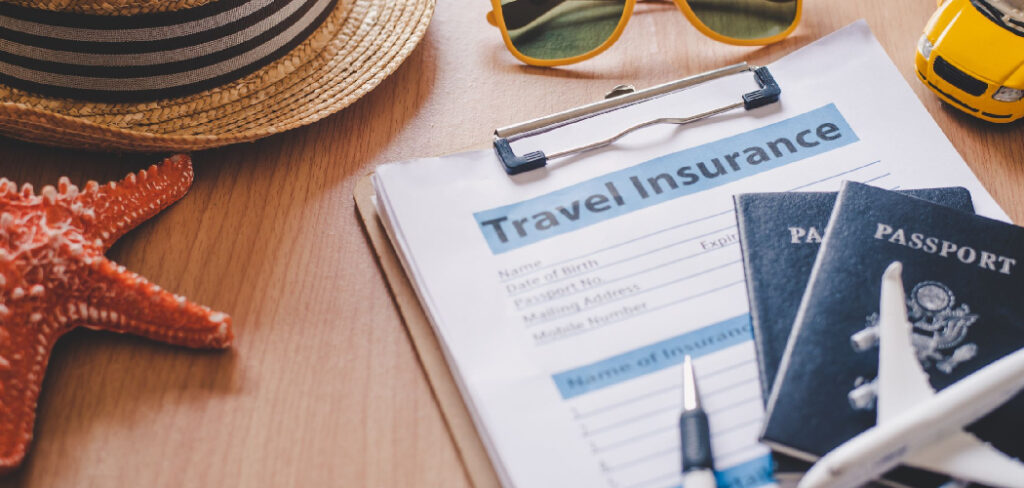
Knowing How to Keep Documents Safe While Traveling starts before you even leave your house. Scan your passport, visa, driver’s license, and travel insurance papers to create secure digital backups. Email these copies to yourself and save them on a secure, offline app on your smartphone.
If you lose your physical bag at the airport or hotel, these digital copies prove invaluable for getting replacements quickly. You can easily present them to embassy officials or airline staff to verify your identity. Never underestimate the power of a digital backup when navigating a stressful travel emergency.
Step 2: Use a Hidden Money Belt or Neck Pouch for Primary Protection
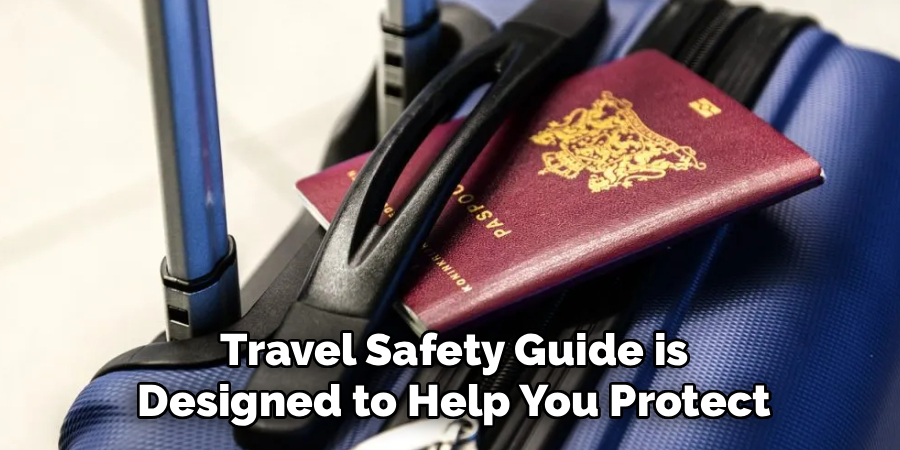
Carrying your essential papers loosely in a backpack or back pocket invites theft in crowded places. Instead, invest in a high-quality, RFID-blocking money belt or neck pouch that fits snugly under your clothing. Keep your primary passport, large amounts of cash, and backup credit cards secured in this hidden compartment.
When you navigate a busy public market or a crowded train station, your valuables remain completely invisible to pickpockets. Only access this hidden pouch in private areas, such as a restroom or your hotel room. This simple physical barrier prevents the vast majority of opportunistic thefts during your journey.
Step 3: Utilize Hotel Safes for Long-Term Document Storage
Once you arrive at your accommodation, avoid carrying every single important paper with you during daily excursions. Lock your physical passport, extra cash, and secondary identification in the hotel room safe. Most reputable accommodations offer secure, code-operated safes designed specifically to protect your travel essentials.
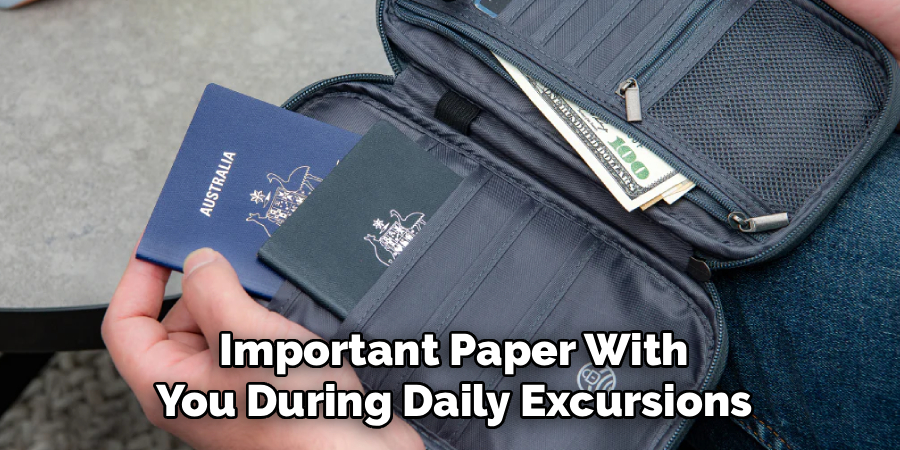
Carry only a secondary piece of ID or a photocopy of your passport when sightseeing or heading to the beach. If your day bag gets stolen while exploring the city, your most critical documents remain secure at your home base. Always double-check the safe lock before leaving the room for the day.
Step 4: Protect Papers from Weather and Environmental Damage
Water and environmental damage can ruin a passport just as easily as a thief can steal it. Place all physical papers inside durable, waterproof plastic sleeves or specialized dry bags before packing them. Sudden downpours, spilled water bottles, or high humidity can easily smudge visas and render official IDs unreadable.
Whether you are taking a boat ride or caught in a tropical rainstorm, waterproof protection is vital. Many travelers forget this step and end up dealing with strict airline rules regarding damaged passports. A simple plastic barrier ensures your itinerary and boarding passes stay crisp and readable.
Step 5: Distribute Valuables Across Different Bags
Never keep all your travel documents, cash, and bank cards in a single bag or wallet. Distribute your items systematically across your luggage, personal item, and hidden pouches. For example, keep your main passport under your clothes, but place your travel insurance details in your locked suitcase.
If your carry-on bag goes missing during transportation, you will not lose your entire financial and identification portfolio. This distribution strategy acts as a physical insurance policy against total loss. It ensures you always have a backup method to pay for transport or identify yourself.
Step 6: Maintain Constant Awareness in Transit Hubs
Transport hubs like airports, bus terminals, and train stations present the highest risk for document loss or theft. Keep your travel essentials firmly in your hand or zipped in a secure front pocket when presenting them to officials. Never place your passport down on a counter or ticket kiosk, even for a few seconds.
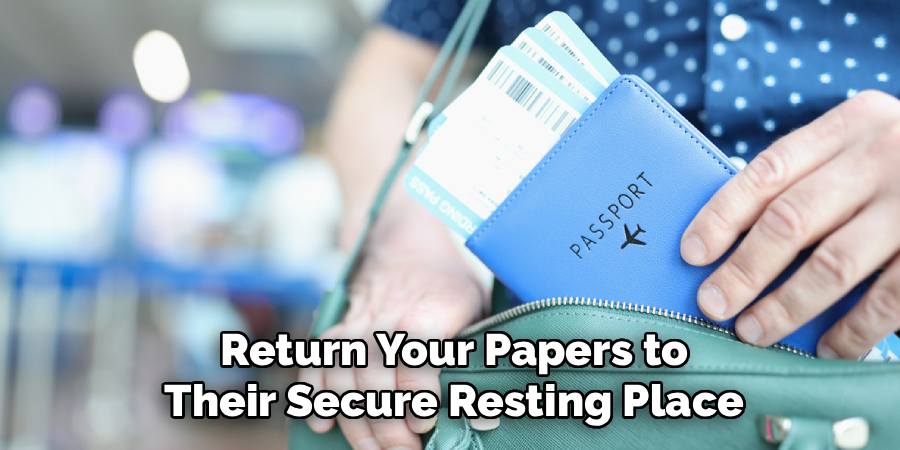
Thieves frequently operate in these chaotic environments, waiting for tired travelers to look away from their belongings. Once you finish passing through security or boarding, immediately return your papers to their secure resting place. Building this strict habit prevents accidental loss during the most hectic parts of your journey.
How to Stay Safe While Traveling
Always stay aware of your surroundings, especially in crowded, busy, or entirely unfamiliar places. Keep your valuables secure, hidden from plain sight, and avoid displaying expensive items publicly. Wearing flashy jewelry or handling large wads of cash quickly draws unwanted attention from opportunistic thieves.
Use trusted transportation options booked through official channels and firmly avoid unlicensed taxis or questionable transport services. Plan your daily routes ahead of time and consistently share your location with someone you trust back home. Stay in well-reviewed, safe accommodations that provide proper security measures and reliable staff.
Avoid walking alone late at night in unsafe, industrial, or poorly lit areas of a new city. Be cautious when interacting with strangers offering unsolicited help, overly friendly advice, or “too-good-to-be-true” deals. Always follow local rules, laws, and cultural norms to avoid unnecessary trouble or misunderstandings with law enforcement.
Health Tips & Illness Prevention
Always drink clean, bottled, or properly filtered safe water to avoid severe stomach infections and dehydration. Eat freshly cooked, piping hot food and avoid street food that looks unhygienic or has been sitting out for hours. Wash your hands regularly with soap or use a reliable hand sanitizer before eating or touching your face.
Carry a small medical kit containing basic medicines for fever, pain, motion sickness, and common stomach issues. Get enough rest and intentionally avoid overexertion during long, exhausting travel days or intense physical activities. Protect yourself from extreme weather changes by dressing appropriately in layers and wearing sun protection.
Stay updated on all required vaccinations and health advisories before embarking on international travel. Manage overall travel stress effectively by staying well-hydrated, eating nutritious meals, and prioritizing quality sleep each night.
Emergency Situations & What to Do
If you happen to lose your passport or important documents, report it immediately to the nearest embassy or local authority. In case of theft or robbery, stay calm, move to a safe place, and contact local police right away to file a report. If you face a severe medical emergency, seek the nearest hospital or call local emergency medical services without delay.
During natural disasters or extreme weather events, strictly follow official instructions and move directly to safe evacuation areas. If you get lost in an unfamiliar city, use offline maps, GPS, or ask for help from trusted officials like police officers. Always keep emergency contact numbers saved securely in your phone and written clearly on paper as a backup.
Inform a family member or close friend immediately if any serious situation happens during your travel so they can assist remotely. Carry your travel insurance details everywhere so you can access financial and medical support quickly in emergencies.
Common Mistakes to Avoid
Overtrusting strangers and sharing personal or specific travel details too quickly often leads to targeted scams or theft. Not buying comprehensive travel insurance and completely ignoring emergency preparedness leaves you vulnerable to massive financial losses. Carrying all your money, credit cards, and important documents in one single place eliminates your backup options entirely.
Ignoring local safety rules, cultural norms, or wandering into restricted areas can result in fines or legal trouble. Traveling late at night in unsafe or unknown areas without proper route planning or reliable transport is highly dangerous. Eating unsafe, raw, or unhygienic food without checking the vendor’s cleanliness ruins many vacations with food poisoning.
Not keeping digital or physical photocopies of important documents creates a massive headache if the originals go missing. Relying entirely on mobile internet without downloading offline maps or having backup communication options often leaves travelers completely stranded.
Finalizing Your Departure Strategy
Knowing How to Keep Documents Safe While Traveling starts with doing a final check of all important travel documents (passport, visa, tickets, ID) before leaving your home. Confirm your accommodation booking, upcoming transport schedule, and local directions so you know exactly where you are heading. Double-check your money setup, ensuring you have cash, functioning cards, and hidden emergency backup funds ready to go.
Ensure all your devices are fully charged, and verify that your essential travel apps and maps are downloaded for offline use. Pack only the absolutely necessary items and follow a rigorous, safety-focused packing checklist to avoid overpacking. Share your full travel plan, including flight numbers and hotel addresses, and emergency contacts with a trusted person.
Reconfirm all your health essentials, like your daily medicines, travel insurance policy, and vaccination requirements. Stay calm, highly organized, and mentally prepared for a safe, secure, and wonderfully smooth journey.

About
Ethan Brooks is a dedicated travel writer and tourism specialist with over a decade of experience exploring more than 150 countries. His professional focus centers on city routes and budget travel, where he combines real-world travel insights with efficient planning strategies.
Ethan is known for creating smart, well-structured travel systems that are practical, cost-effective, and easy to follow. As a core author at thetraveliy.com, he helps both first-time travelers and experienced explorers plan smooth, confident journeys.
Education
The University of Queensland (Australia) Bachelor’s Degree in Tourism Management
-
Focus: Global tourism systems, destination planning, and travel operations.
-
Specialization: Gained practical knowledge in travel logistics, itinerary development, and tourism industry structures.
Publications and Impact
At thetraveliy.com, Ethan Brooks publishes clear, structured, and experience-driven content focused on:
-
Transportation Logistics: Navigating complex transit systems with ease.
-
Itinerary Planning: Creating time-efficient schedules for any destination.
-
Budget-Friendly Solutions: Maximizing value without sacrificing the experience.
Ethan’s work simplifies complex travel decisions, making it easier for readers to plan efficient and affordable trips. By blending practical advice with real-world experience, he helps travelers create well-organized journeys while saving both time and money.