
Planning an overseas journey is always an exciting experience. However, figuring out how to travel internationally without a passport requires careful preparation and an understanding of alternative documentation. While a standard passport book is the most common travel essential, certain destinations and transportation methods allow you to cross borders using different forms of identification.
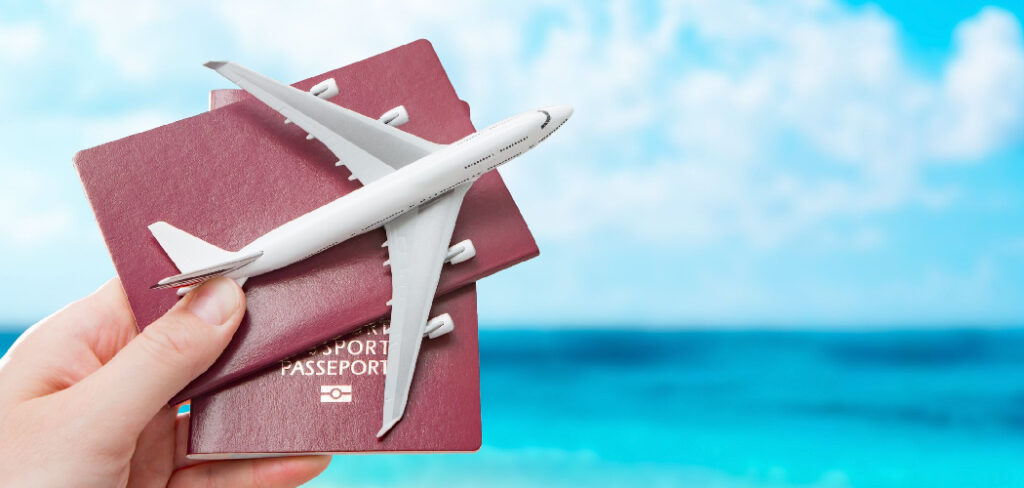
Travel safety remains a top priority regardless of where you go. Proper preparation before and during your trip protects you from common risks like theft, sudden health issues, and unexpected delays. In this guide, you will learn practical strategies to navigate border crossings smoothly while prioritizing your well-being. By the end, you will feel confident managing travel logistics and handling any emergencies that arise along the way.
Common Travel Risks & Problems
Every travel itinerary comes with a unique set of challenges and potential risks. In crowded tourist areas, transportation hubs, and bustling markets, pickpocketing and minor theft are unfortunate realities. Scams targeting out-of-town visitors, such as overcharging taxis or fake tour guides, can also disrupt your journey and drain your finances. Health issues are another common concern, ranging from sudden food poisoning to severe dehydration in unfamiliar climates.
Travel delays and logistical disruptions can quickly turn a dream vacation into a stressful situation. Canceled flights, missed connections, or lost luggage happen more often than we would like. Solo travelers face specific safety risks, particularly when navigating unfamiliar neighborhoods at night. Environmental factors like bad weather, unsafe road conditions, or even natural disasters can completely alter your plans. Furthermore, language barriers often create confusion, making it harder to seek help or manage financial risks like card fraud and cash loss during your trip.
6 Essential Steps on How to Travel Internationally Without a Passport
Protecting yourself, your money, and your documents requires a solid strategy. This practical step-by-step travel safety guide ensures you stay secure while exploring new destinations. Travel safety varies greatly depending on your location, transportation choices, and personal style. We cover all major safety areas, including personal security, health protection, money management, and emergency preparedness. Below is your main guidance on navigating this process smoothly.
Step 1: Stay Safe by Understanding Border Requirements
Knowing exactly what documents you need is the foundation of any successful trip. When you plan a closed-loop cruise or visit specific neighboring territories, you might not need a traditional passport book. Instead, an Enhanced Driver’s License or a passport card might suffice. Always check the specific airline rules and maritime regulations for your exact route. Keep physical copies of these alternative documents in a secure money belt. Never leave your primary identification sitting on a hotel desk or loose in a backpack.
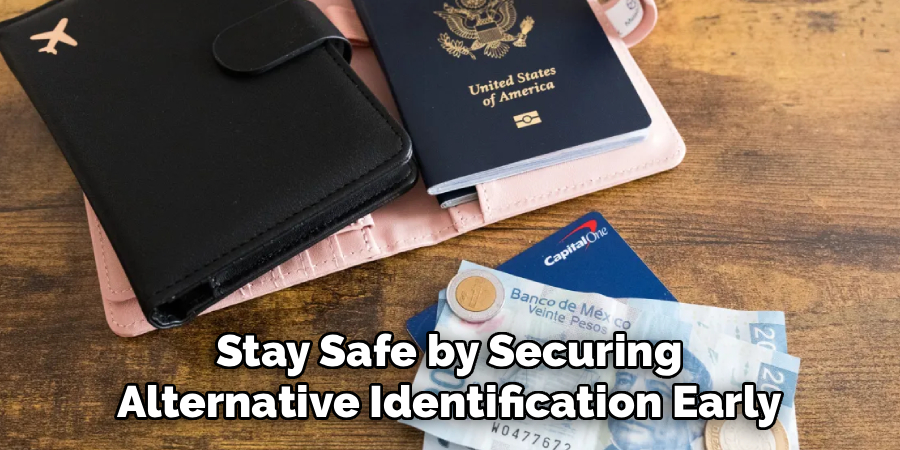
Step 2: Stay Safe by Securing Alternative Identification Early
Gathering your required documents well in advance prevents last-minute panic at the border. If you are using a trusted traveler program card or a birth certificate for a specific cruise, verify that they are in pristine condition. A torn or illegible document can cause immediate travel disruptions and missed departures. Keep your primary identification close to your body while walking through busy transit hubs or crowded ports. Always carry a secondary form of government-issued ID stored in a completely separate bag.
Step 3: Stay Safe by Protecting Your Travel Finances
Managing your money securely is vital when venturing across borders. Never carry all your cash and credit cards in a single wallet or pouch. Divide your funds between your day bag, a concealed money belt, and a secure hotel safe. Inform your bank about your travel itinerary to avoid sudden card freezes while paying for meals or transportation. When withdrawing cash, only use ATMs located inside reputable banks rather than machines on empty streets.
Step 4: Stay Safe by Planning Reliable Transportation
Navigating a new city requires careful attention to your transit options. Always research the safest transportation methods from the airport or cruise terminal to your accommodation. Avoid accepting rides from unlicensed taxi drivers who approach you aggressively in the arrivals hall. Instead, use official taxi stands, pre-booked transfers, or reputable rideshare applications. Keep your bags within your line of sight at all times while riding buses or trains.
Step 5: Stay Safe by Monitoring Your Health and Environment
Protecting your physical well-being is just as important as securing your belongings. Research the local climate and any seasonal weather patterns before you pack your bags. Bring a basic medical kit containing pain relievers, stomach remedies, and any necessary personal prescriptions. Pay attention to local food and water safety guidelines to avoid illnesses that could ruin your vacation. Stay hydrated, especially during long transit days or extensive walking tours.
Step 6: Stay Safe by Establishing Emergency Protocols
Preparing for the unexpected ensures you can handle crises calmly and efficiently. Write down the contact information for local emergency services and your country’s nearest embassy or consulate. Keep this paper list in your pocket in case your phone battery dies or your device is stolen. Share your complete daily itinerary with a trusted friend or family member back home. Check in with them regularly so someone always knows your approximate location.
How to Stay Safe While Traveling
Maintaining situational awareness is your best defense against unexpected trouble. Always stay alert to your surroundings, especially when navigating crowded plazas, busy train stations, or unfamiliar neighborhoods. Keep your valuables secure and entirely out of sight. Avoid wearing flashy jewelry or displaying expensive cameras and smartphones in public areas.
Use only trusted and verified transportation options. Unlicensed taxis and informal shuttle services often present significant security risks to tourists. Plan your daily routes ahead of time so you do not look lost while checking maps on street corners. Always share your live location and itinerary details with someone you trust back home.
Choose accommodations that prioritize guest security, such as hotels with front desk staff and good community reviews. Avoid wandering alone late at night in poorly lit or deserted districts. Be extremely cautious if a stranger approaches you with an unsolicited deal, overly friendly help, or a distraction tactic. Finally, respect all local laws and cultural norms to avoid drawing negative attention or facing legal trouble.
Health Tips & Illness Prevention
Staying healthy allows you to fully enjoy your hard-earned vacation. Always drink clean, bottled, or purified water to prevent severe stomach infections and dehydration. Be mindful of your meals by choosing freshly cooked food from busy, reputable establishments. It is usually best to avoid raw street food or produce that you cannot peel yourself.
Maintain excellent hygiene by washing your hands frequently with soap and water. Keep a travel-sized hand sanitizer in your pocket to use before meals or after touching public transit handrails. Pack a well-stocked travel pharmacy with medications for fever, minor pain, motion sickness, and digestive issues. Do not let minor ailments escalate into trip-ruining medical emergencies.
Pace yourself and get plenty of rest to avoid physical burnout during long travel days. Dress in appropriate layers to protect yourself from sudden weather changes, extreme heat, or unexpected cold snaps. Make sure you are up to date on any required vaccinations for your destination. Manage your travel stress effectively by eating nutritious meals, drinking plenty of water, and maintaining a regular sleep schedule.
Emergency Situations & What to Do
Knowing how to react during a crisis can significantly reduce your panic. If you misplace your primary travel documents or alternative identification, report the loss immediately. Contact local authorities and the nearest embassy to begin the replacement process. If you become a victim of theft or robbery, prioritize your physical safety above all else. Move to a secure public location and contact the local police right away to file an official report.
Medical emergencies require swift and decisive action. Locate the nearest reputable hospital or call the local emergency medical services immediately. During severe weather events or natural disasters, listen closely to local news and follow all official evacuation instructions. Do not attempt to travel through dangerous areas; move to designated safe zones instead.
If you get terribly lost in an unfamiliar city, use offline maps or seek out trusted officials like police officers. Never hesitate to walk into a large hotel or bank to ask for directions. Always keep physical copies of emergency contact numbers on your person. Reach out to a family member immediately if a serious situation unfolds, and keep your travel insurance information easily accessible.
Common Mistakes to Avoid
Many travel mishaps occur due to simple oversights and poor planning. Overtrusting strangers and sharing intimate travel details too quickly is a frequent mistake. Never broadcast the name of your hotel or your room number to people you just met. Ignoring the importance of comprehensive travel insurance is another massive error. Medical emergencies and severe trip interruptions can cost thousands of dollars out of pocket.
Do not keep all your cash, credit cards, and travel documents stuffed into one wallet. If that wallet goes missing, you instantly lose all your resources. Ignoring local safety rules, restricted areas, or cultural customs can lead to fines or dangerous encounters. Wandering around at night in sketchy neighborhoods without a safe transit plan is an unnecessary risk.
Eating unhygienic food just to save a few dollars often results in days of severe illness. Failing to carry both physical and secure digital copies of your essential documents makes recovery incredibly difficult if they are stolen. Finally, relying strictly on mobile internet without downloading offline maps or having a backup communication plan is a recipe for disaster.
Finalizing Your Departure Strategy
Figuring out how to travel internationally without a passport means verifying your alternative documents one last time before heading to the terminal. Do a meticulous final check of your enhanced ID, birth certificate, boarding passes, and any necessary visas. Confirm your hotel bookings, final transport schedules, and the specific directions from the arrival port to your room. Double-check your financial setup by ensuring you have a healthy mix of local cash, primary credit cards, and backup emergency funds hidden away.
Ensure your smartphone, tablet, and portable power banks are fully charged before leaving the house. Download all essential navigation apps, translation tools, and offline maps so you can use them without cellular service. Pack only the essentials to keep your luggage manageable, following a strict safety-focused packing checklist. Share your ultimate travel plan and all local emergency contacts with a trusted friend or family member. Reconfirm your health essentials, take a deep breath, and stay calm for a safe and perfectly smooth journey.

About
Ethan Brooks is a dedicated travel writer and tourism specialist with over a decade of experience exploring more than 150 countries. His professional focus centers on city routes and budget travel, where he combines real-world travel insights with efficient planning strategies.
Ethan is known for creating smart, well-structured travel systems that are practical, cost-effective, and easy to follow. As a core author at thetraveliy.com, he helps both first-time travelers and experienced explorers plan smooth, confident journeys.
Education
The University of Queensland (Australia) Bachelor’s Degree in Tourism Management
-
Focus: Global tourism systems, destination planning, and travel operations.
-
Specialization: Gained practical knowledge in travel logistics, itinerary development, and tourism industry structures.
Publications and Impact
At thetraveliy.com, Ethan Brooks publishes clear, structured, and experience-driven content focused on:
-
Transportation Logistics: Navigating complex transit systems with ease.
-
Itinerary Planning: Creating time-efficient schedules for any destination.
-
Budget-Friendly Solutions: Maximizing value without sacrificing the experience.
Ethan’s work simplifies complex travel decisions, making it easier for readers to plan efficient and affordable trips. By blending practical advice with real-world experience, he helps travelers create well-organized journeys while saving both time and money.