
Planning a trip brings a lot of excitement, but understanding why travel safety is important is the key to a successful journey. When you step away from home, you face various unfamiliar situations. Travelers often encounter risks like petty theft, unexpected scams, sudden health issues, frustrating delays, and even emergencies. Proper preparation before and during your travel matters greatly because it keeps you in control. Knowing exactly How to Avoid Norovirus When Traveling is one of those crucial preparations that can save your entire vacation.

In this guide, you will learn practical strategies to protect your health, secure your belongings, and handle disruptions with ease. We will walk through clear, actionable advice to keep your itinerary on track. Smoothly transitioning into safety, health, and problem-solving topics, this article provides the expert guidance you need. You can relax knowing you have a solid plan for any bumps in the road.
Common Travel Risks & Problems
Every journey carries a few inherent risks, and being aware of them is your first line of defense. Theft and pickpocketing remain incredibly common in crowded tourist areas, busy transport hubs, and bustling local markets. Keep a close eye on your travel essentials when navigating these packed spaces. Scams targeting tourists are also prevalent worldwide. You might encounter fake guides, inflated prices, taxi scams, or phishing offers disguised as helpful advice.
Health-related issues pose another significant challenge for travelers. Food poisoning, dehydration, or a sudden illness can easily derail your carefully planned itinerary. Travel delays and disruptions add another layer of stress to your trip. Flight cancellations, missed connections, or lost luggage happen frequently, regardless of airline rules.
Safety risks naturally increase during solo travel. Walking alone at night or wandering into unfamiliar areas requires extra caution. Environmental risks such as bad weather, natural disasters, or unsafe road conditions can also catch you off guard. Communication and language barriers often cause confusion or misunderstandings, making it harder to navigate daily tasks. Finally, financial risks, including card fraud, cash loss, or poor money management, can leave you stranded if you are not careful.
6 Essential Steps on How to Avoid Norovirus When Traveling
Protecting yourself, your money, documents, devices, and health requires a practical step-by-step approach. Travel safety naturally varies depending on your destination, chosen transportation, and personal travel style. However, certain universal rules apply across the board. This section covers all major safety areas, including personal safety, health protection, money safety, document safety, and emergency preparedness.
Step 1: Stay Safe by Prioritizing Hand Hygiene
Washing your hands is the most effective way to protect your health on any journey. You should wash your hands thoroughly with soap and warm water for at least twenty seconds. Do this especially after using public restrooms at the airport or touching surfaces on public transport. Hand sanitizers are great travel essentials, but they are not entirely effective against certain stomach bugs. Always rely on good old-fashioned soap and water whenever possible. Keeping your hands clean prevents harmful germs from transferring to your food or face.
Step 2: Stay Safe by Sanitizing High-Touch Surfaces
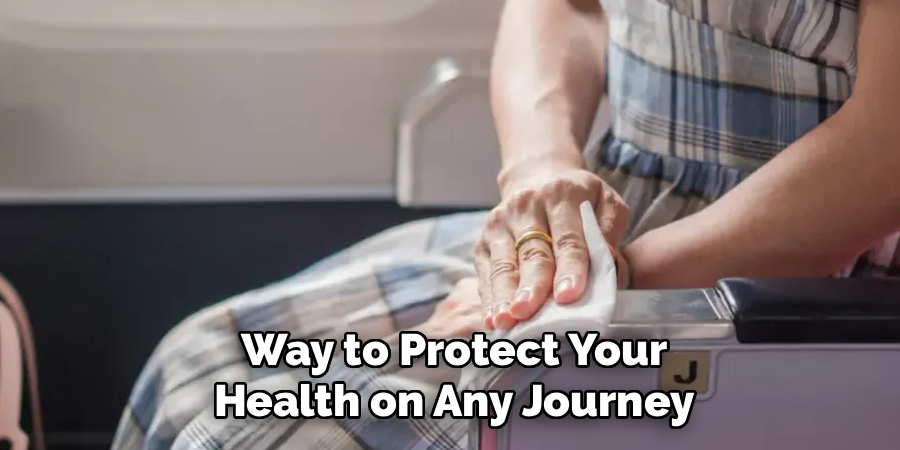
Your environment plays a huge role in your overall well-being while traveling. When you board your flight or check into your hotel room, take a moment to wipe down high-touch areas. Use disinfecting wipes on airplane tray tables, armrests, seatbelt buckles, and television screens. In your accommodation, wipe down light switches, remote controls, and doorknobs. These surfaces harbor countless germs from previous occupants. Taking a few minutes to sanitize your immediate surroundings creates a much safer personal space.
Step 3: Stay Safe by Choosing Food and Drink Carefully
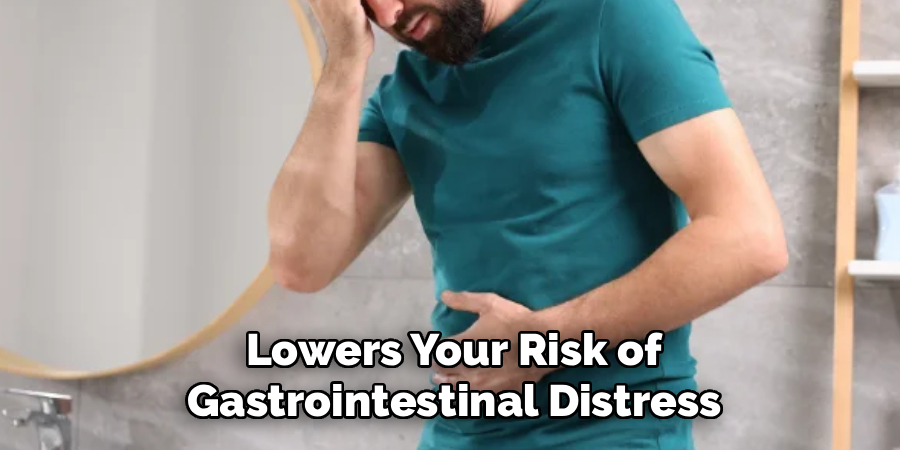
Dietary choices can make or break your trip, so pay close attention to what you consume. Stick to freshly cooked, piping hot meals, as heat kills most harmful pathogens. Avoid eating raw or undercooked foods, especially seafood and unpeeled fruits or vegetables. Be cautious with street food unless you can verify the vendor’s hygiene practices. Always drink sealed, bottled water if you are unsure about the local water supply’s safety. Making smart food choices significantly lowers your risk of gastrointestinal distress.
Step 4: Stay Safe by Managing Your Travel Essentials
Keeping your belongings secure is just as important as protecting your physical health. Use anti-theft bags or hidden pouches to store your passport, credit cards, and cash. Never keep all your valuables in a single place; distribute them between your day bag and a hotel safe. When using public transportation, keep your bags zipped and resting on your lap. Staying organized prevents you from frantically searching for items in crowded, vulnerable areas. A calm, organized traveler is far less likely to become a target for opportunists.
Step 5: Stay Safe by Navigating Crowded Places Wisely
Crowded areas are hotspots for both germ transmission and petty theft. Maintain a reasonable distance from others when waiting in lines or exploring busy tourist attractions. If someone near you appears visibly ill, subtly reposition yourself to limit exposure. Keep your belongings close to your body and avoid flashing expensive electronics or jewelry. Staying alert in these environments helps you avoid both health hazards and potential pickpockets. Awareness is your best tool for maintaining a secure and healthy trip.
Step 6: Stay Safe by Preparing for Unexpected Emergencies
Even with perfect planning, emergencies occasionally happen, so you must be ready to act. Pack a comprehensive first-aid kit filled with basic medications, bandages, and rehydration salts. Save local emergency numbers and the address of your nearest embassy in your phone. Keep physical copies of your travel insurance and important documents in a separate, secure location. Knowing exactly who to contact and where to go drastically reduces panic during stressful situations. This preparation ensures you can handle any sudden curveballs calmly and efficiently.
How to Stay Safe While Traveling
Always stay aware of your surroundings, especially when navigating crowded or unfamiliar places. Keep your valuables secure at all times and avoid displaying expensive items publicly. It is best to use trusted transportation options and actively avoid unlicensed taxis or questionable services. Take the time to plan your routes carefully and share your live location with someone you trust back home.
Stay in well-reviewed and safe accommodations that feature proper security measures. Avoid walking alone late at night in unsafe, quiet, or poorly lit areas. Be very cautious when interacting with strangers offering unsolicited help or unbelievably good deals. Always follow local rules, laws, and cultural norms to avoid unnecessary trouble with authorities. Blending in and respecting the local environment goes a long way in keeping you secure.
Health Tips & Illness Prevention
Always drink clean and safe water to avoid stomach infections and severe dehydration. Eat only freshly cooked food and avoid street food that looks unhygienic or has been sitting out. Wash your hands regularly or use hand sanitizer before eating, drinking, or touching your face. Carry basic medicines for fever, pain, motion sickness, and common stomach issues.
Get enough rest and actively avoid overexertion during incredibly long travel days. Protect yourself from sudden weather changes by dressing appropriately in comfortable layers. Stay updated on all required vaccinations before embarking on international travel. Manage your overall travel stress by staying hydrated, eating properly, and getting a good night’s sleep. Taking care of your body ensures you have the energy to enjoy your trip fully.

Emergency Situations & What to Do
If you lose your passport or important documents, report it immediately to the nearest embassy or local authority. In case of theft or robbery, stay calm, move to a safe place, and contact the local police right away. If you face a medical emergency, seek the nearest reputable hospital or call emergency medical services immediately. During natural disasters or extreme weather events, strictly follow official instructions and move to designated safe evacuation areas.
If you get lost, use offline maps, GPS, or ask for help from trusted officials like police officers or information centers. Always keep emergency contact numbers saved in your phone and written clearly on paper as a backup. Inform a family member or close friend immediately if any serious situation happens during your travel. Carry your travel insurance details everywhere so you can access crucial support quickly in emergencies.
Common Mistakes to Avoid
Overtrusting strangers and sharing personal or travel details too quickly is a frequent traveler mistake. Not buying comprehensive travel insurance and ignoring emergency preparedness can lead to massive financial losses. Carrying all your money, cards, and documents in one single place without backup options is highly risky. Ignoring local safety rules, cultural norms, or restricted areas often leads to preventable trouble.
Traveling at night in unsafe areas without proper planning or pre-arranged transport invites danger. Eating unsafe or unhygienic food without checking for basic cleanliness ruins many vacations. Not keeping digital or physical copies of important documents makes replacing them incredibly difficult. Relying solely on mobile internet without offline maps or backup communication options can leave you stranded. Avoid these pitfalls to guarantee a much smoother, safer experience.
Finalizing Your Departure Strategy
When focusing on How to Avoid Norovirus When Traveling, finalizing your departure strategy properly is your last crucial step. Do a final check of all important travel documents, including your passport, visa, tickets, and ID, before leaving for the airport. Confirm your accommodation booking, transport schedule, and local directions to ensure a seamless arrival. Double-check your money setup, ensuring you have cash, cards, and emergency backup funds ready.
Ensure all your devices are fully charged, and essential apps or maps are downloaded for offline use. Pack only necessary items and follow a safety-focused packing checklist to avoid overpacking. Share your full travel plan and emergency contacts with a trusted person at home. Reconfirm health essentials like your packed medicines, travel insurance, and vaccination requirements. Stay calm, organized, and mentally prepared for a safe, smooth, and enjoyable journey.
Conclusion
Returning home safely from your journey is the ultimate goal of any well-planned itinerary. By maintaining situational awareness and practicing excellent hygiene, you significantly reduce your travel risks. Remembering How to Avoid Norovirus When Traveling ensures that your focus remains on making wonderful memories rather than managing a health crisis. Adhering to airline rules, packing your travel essentials smartly, and respecting your destination’s culture all contribute to a positive experience.
Always keep your emergency plans accessible and your travel insurance details close at hand. Taking a proactive approach to your personal security and physical health gives you immense peace of mind. As you prepare for your next big adventure, let these practical strategies guide you. Travel is a beautiful privilege, and protecting yourself allows you to embrace every moment of it safely and confidently.

About
Ethan Brooks is a dedicated travel writer and tourism specialist with over a decade of experience exploring more than 150 countries. His professional focus centers on city routes and budget travel, where he combines real-world travel insights with efficient planning strategies.
Ethan is known for creating smart, well-structured travel systems that are practical, cost-effective, and easy to follow. As a core author at thetraveliy.com, he helps both first-time travelers and experienced explorers plan smooth, confident journeys.
Education
The University of Queensland (Australia) Bachelor’s Degree in Tourism Management
-
Focus: Global tourism systems, destination planning, and travel operations.
-
Specialization: Gained practical knowledge in travel logistics, itinerary development, and tourism industry structures.
Publications and Impact
At thetraveliy.com, Ethan Brooks publishes clear, structured, and experience-driven content focused on:
-
Transportation Logistics: Navigating complex transit systems with ease.
-
Itinerary Planning: Creating time-efficient schedules for any destination.
-
Budget-Friendly Solutions: Maximizing value without sacrificing the experience.
Ethan’s work simplifies complex travel decisions, making it easier for readers to plan efficient and affordable trips. By blending practical advice with real-world experience, he helps travelers create well-organized journeys while saving both time and money.