

Figuring out how to travel from Barcelona to Ibiza is the first step toward an unforgettable Mediterranean getaway. This route connects a bustling cultural hub with a world-famous island paradise.

The journey is incredibly popular for both summer tourism and weekend party escapes. Planning this trip properly saves you time, reduces travel costs, and helps you avoid unnecessary stress.
You will soon learn the best methods, expected costs, and useful tips for a smooth transit. Travelers typically choose between a quick domestic flight or a scenic ferry ride. Both options offer unique advantages depending on your schedule and budget.
How to Get There
Your journey begins either at El Prat Airport or the main Port of Barcelona. El Prat is easily accessible from the city center via the Aerobús, metro, or local taxis.
If you prefer the sea route, the ferry terminals are conveniently located near the downtown harbor area. Flights take roughly an hour, while ferries can range from eight to nine hours.
During the peak summer season, both flights and ferries run multiple times daily. Looking at a map, the route crosses the Balearic Sea directly south to the island. Choose your transport based on how quickly you want to arrive.
6 Proven Steps on How to Travel From Barcelona to Ibiza
Step 1: Decide on Your Preferred Transport Method
The most important part of planning is choosing between a flight and a passenger ferry. Flights are extremely fast, usually taking just one hour of travel time in the air.
Ferries offer a more relaxed, medium-comfort journey that lasts anywhere from eight to nine hours. Ticket prices for both options generally range from fifty to one hundred dollars, depending on the season.
Flying is ideal for travelers who want to maximize their vacation time on the island. The ferry is perfect for those who want to bring a rental car or enjoy ocean views.
Step 2: Book Your Flight or Ferry Tickets Early
Securing your tickets well in advance is the best way to lock in low prices. Summer months bring massive crowds, meaning last-minute fares can become incredibly expensive.

Direct flights are offered daily by budget airlines like Vueling and Ryanair. Ferry operators like Balearia and Trasmediterranea also provide regular daily departures.
Booking early guarantees your spot and provides peace of mind before your departure date. This approach is highly recommended for budget-conscious travelers and large groups. Setting up price alerts online can help you find the absolute best deals available.
Step 3: Arrange Transportation to the Departure Point
Getting to your departure point smoothly sets the tone for a relaxing travel day. If you are flying, the Aerobús is a cheap and efficient way to reach El Prat Airport.
For those taking the ferry, local taxis or the metro can drop you right near the port. Travel time from the city center to either location usually takes about thirty to forty minutes.
A standard taxi ride to the airport or port costs roughly thirty to forty dollars. Arriving at least two hours early is a smart move during busy tourist seasons.
Step 4: Manage Your Luggage and Airline Rules
Understanding luggage policies is crucial to avoiding unexpected fees at the terminal. Budget airlines are notorious for strict cabin baggage limits and hefty charges for oversized bags.
Ferries are much more forgiving, offering high comfort with virtually no strict luggage weight limits. If you plan to pack heavily, the ferry might actually save you money overall.
Always double-check your specific carrier’s rules regarding liquids and carry-on dimensions. Weighing your bags at your hotel before leaving can save you significant hassle. This step is best for those trying to keep their vacation budget strictly intact.
Step 5: Navigate Arrival at Ibiza Airport or Port
Arriving at your destination requires a quick plan to exit the terminal efficiently. The local airport is relatively small, making luggage claim and exiting quite straightforward.
If you arrive by ferry, you will disembark directly in the main port near the historic downtown area. Both arrival points have designated taxi ranks and public bus stops located right outside.
Waiting times for taxis can be slightly long during the peak afternoon rush. Having your accommodation address written down or saved on your phone makes communicating with drivers easy.
Step 6: Plan Your Final Transfer to Your Accommodation
The final leg of your journey involves getting from the arrival point to your hotel. Public buses are highly affordable, costing just a few dollars to reach major resort towns.

Taxis provide a higher level of comfort and usually cost between twenty and forty dollars, depending on the distance. Rental cars are also available at both the airport and the port for those wanting total flexibility.
Booking a private transfer in advance is an excellent idea for large families or groups. This final step ensures you reach your room quickly so you can start enjoying the sunshine.
Pros and Cons of Each Travel Option
Every transportation method offers a unique set of advantages and distinct disadvantages. Flying is undeniably fast and highly convenient, but budget airlines often charge extra for standard luggage.
Airports also require you to arrive hours early for security screening and check-in procedures. Ferries provide a relaxing, spacious environment and allow you to transport a personal vehicle.
However, traveling by sea is a massive time commitment and can be uncomfortable during rough weather. Reviewing these trade-offs carefully will help you select the most practical choice for your itinerary.
Best Way to Travel
Taking a direct flight is generally considered the absolute best way to make this trip. It offers an unbeatable balance of speed, convenience, and overall reliability for most vacationers.
Airlines run this route continuously throughout the day, providing ultimate flexibility for your schedule. You can leave the mainland in the morning and be lounging on the beach by noon.
While ferries are wonderfully scenic, the time saved by flying is simply too valuable for a short holiday. It perfectly suits the needs of the average traveler looking for a hassle-free experience.
Cheapest Way to Travel
Flying with a budget airline is almost always the lowest-cost travel option available. Base fares can sometimes drop as low as twenty or thirty dollars during promotional sales.

The main trade-off is dealing with strict luggage rules and basic, low-comfort seating. Ferries can occasionally be cheaper if you are booking a basic seat at the very last minute.
Traveling during the shoulder seasons of spring and fall is the easiest way to find cheap tickets. Booking your journey several weeks in advance is highly recommended to secure these bottom-tier prices.
Fastest Way to Travel
Without a doubt, catching a commercial flight is the fastest travel option available. The actual time spent in the air is typically just under one hour from takeoff to landing.
Even when factoring in airport security and boarding times, the total door-to-door journey is about four hours. Direct routes are incredibly abundant, meaning you never have to worry about frustrating layovers.
This high-speed convenience is exactly why most visitors choose the sky over the sea. It is the perfect solution for travelers who want to maximize their island time.
Travel Documents You Must Carry
Carrying the correct documentation is essential for a smooth and legal transit process. You must have a valid passport or a recognized National ID card if you are an EU citizen.
Non-EU travelers should always verify if a specific tourist visa is required before departing. Keep both digital copies and printed versions of your flight or ferry tickets handy.
It is also wise to carry your hotel booking confirmation and a copy of your travel insurance. Keeping these important documents organized in a secure travel folder prevents frantic searching at the boarding gate.
Estimated Budget & Money-Saving Tips
Your overall budget will heavily depend on how early you finalize your travel plans. A mid-range transit budget, including flights and local airport transfers, usually costs around one hundred dollars.
Budget travelers can easily slash this in half by traveling light and using public airport buses. Booking your transit tickets months in advance is the ultimate money-saving strategy.
Traveling during weekdays rather than weekends also yields significantly cheaper fares. Taking advantage of these simple tips leaves you with more cash to spend on local dining.
Currency & Money Management
Both locations utilize the Euro, making financial transitions completely seamless for visitors. Credit and debit cards are universally accepted at transit hubs, restaurants, and local shops.

Contactless payments via smartphones are also incredibly common and highly encouraged for quick transactions. It is still wise to carry a small amount of cash for tipping or minor purchases.
Use official bank ATMs to withdraw cash and always decline dynamic currency conversion to avoid hidden fees. Keeping your cash and cards distributed in separate bags adds an extra layer of financial security.
Internet & WiFi Availability
Staying connected during your transit is easy thanks to widespread modern infrastructure. Both El Prat Airport and the main ferry terminals offer free public WiFi networks for travelers.
The connection speeds are generally reliable enough for messaging, checking emails, and basic web browsing. Paid premium WiFi is sometimes available if you need to download large files for work.
Ferries also provide onboard internet, though the signal can become patchy when sailing far off the coast. Having a local mobile data plan is a smart backup for uninterrupted navigation.
Travel Tips
Careful preparation is the secret to an entirely smooth and enjoyable transit day. Always aim to arrive at the airport or ferry terminal at least two hours before departure.
Keep your boarding passes and identification documents easily accessible in a dedicated pocket. Packing light makes navigating busy terminals and boarding transport significantly less stressful.
Be sure to check the local weather forecast so you can dress appropriately for your arrival. Downloading offline maps and transit apps will help you navigate your new surroundings effortlessly.
Travel Safety, Common Scams & Mistakes to Avoid
Staying alert is the best way to ensure a safe and incident-free journey. The most common issues tourists face are petty pickpocketing in crowded transport hubs and train stations.
Always ignore unsolicited offers from aggressive taxi drivers waiting inside the terminal buildings. You should only use official, metered taxi ranks located clearly outside the designated exits.
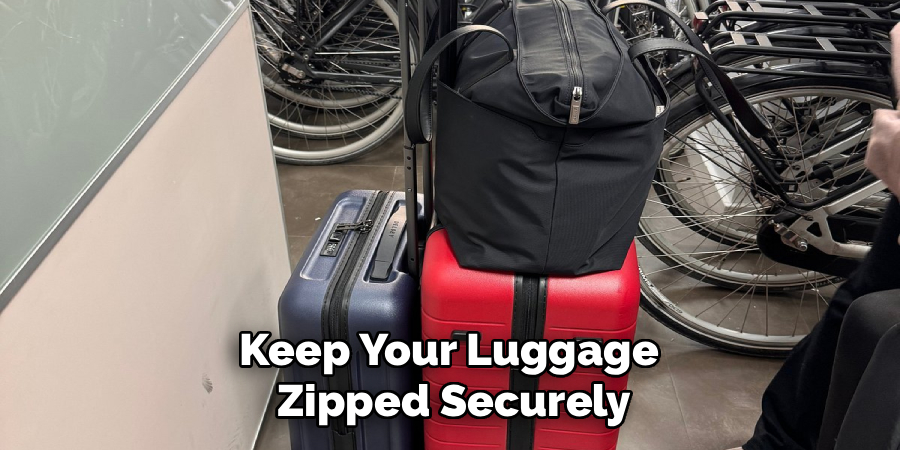
Keep your luggage zipped securely and never leave your bags unattended while waiting for boarding. Being mindful of your surroundings prevents you from falling victim to these easily avoidable mistakes.
Safety & Health Precautions
Taking basic health and safety precautions ensures you feel great throughout your trip. Staying hydrated is vital, especially when navigating warm transport hubs during the peak summer months.
Washing your hands frequently and carrying a small bottle of hand sanitizer is always a good hygiene practices. Be mindful of your belongings when moving through dense, unfamiliar crowds at the port or airport.
Carrying a basic first-aid kit with motion sickness pills is highly recommended for ferry passengers. Making safe food choices at transit terminals will also help prevent unexpected stomach issues.
Emergency Contacts & Useful Links
Having emergency numbers saved in your phone is a crucial part of responsible travel planning. The standard emergency number for police, fire, and ambulance services across the region is 112.
You should also look up and save the contact details for your specific country’s consulate. Keep the customer service helplines for your chosen airline or ferry operator accessible in case of delays.
Writing these numbers down on a physical piece of paper provides a great backup if your phone dies. Being prepared ensures you can get help quickly if needed.
Frequently Asked Questions
How to Travel From Barcelona to Ibiza?
You can easily make this trip by booking a direct domestic flight or taking a passenger ferry. Flights take about one hour, while the ferry takes approximately eight hours across the sea.
Is it cheaper to fly or take the ferry?
Flying with a budget airline is usually much cheaper if you book well in advance. However, ferries can save you money if you are traveling with lots of heavy luggage.

How far in advance should I book my tickets?
It is highly recommended to book your tickets at least two to three months early. Summer routes sell out extremely fast, and prices skyrocket for last-minute vacation planners.
Conclusion
How to Travel From Barcelona to Ibiza is a question with two very simple, practical answers. Whether you choose the speed of an airplane or the scenic route of a ferry, the journey is straightforward.
Taking the time to plan your transport ahead of time ensures a safe and relaxing experience. Proper preparation allows you to focus entirely on enjoying the beautiful Mediterranean atmosphere.
Always remember to book your transit tickets early to secure the best possible rates for your trip.

About
Ethan Brooks is a dedicated travel writer and tourism specialist with over a decade of experience exploring more than 150 countries. His professional focus centers on city routes and budget travel, where he combines real-world travel insights with efficient planning strategies.
Ethan is known for creating smart, well-structured travel systems that are practical, cost-effective, and easy to follow. As a core author at thetraveliy.com, he helps both first-time travelers and experienced explorers plan smooth, confident journeys.
Education
The University of Queensland (Australia) Bachelor’s Degree in Tourism Management
-
Focus: Global tourism systems, destination planning, and travel operations.
-
Specialization: Gained practical knowledge in travel logistics, itinerary development, and tourism industry structures.
Publications and Impact
At thetraveliy.com, Ethan Brooks publishes clear, structured, and experience-driven content focused on:
-
Transportation Logistics: Navigating complex transit systems with ease.
-
Itinerary Planning: Creating time-efficient schedules for any destination.
-
Budget-Friendly Solutions: Maximizing value without sacrificing the experience.
Ethan’s work simplifies complex travel decisions, making it easier for readers to plan efficient and affordable trips. By blending practical advice with real-world experience, he helps travelers create well-organized journeys while saving both time and money.