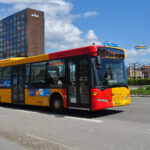

Figuring out how to travel from Bellagio to Milan is an exciting first step in planning your Italian getaway. This beautiful route takes you from the serene, sparkling shores of Lake Como right into the bustling, fashion-forward heart of northern Italy. It is a highly popular journey for tourists, business professionals, and day-trippers seeking scenic beauty and urban thrills alike.

Planning this trip properly ensures you save valuable time and money while avoiding unnecessary transit stress. In this guide, you will learn the best ways to complete this route, including average travel times, estimated costs, and expert tips. We will cover a quick overview of your main transit options, such as trains, buses, ferries, and private cars.
How to Get There
When leaving the beautiful lakeside town, your ultimate arrival point is usually the city center or one of the nearby transit hubs like Milan Malpensa or Linate airports. Travelers typically reach the starting point of their southward journey by hopping on a local ferry or a regional bus. Major routes include combining a scenic boat ride with a reliable railway connection, or simply taking the road via bus or private car.
General travel duration ranges from one and a half to three hours depending on the specific transit method you choose. Transport availability is highly frequent, with daily trains and regular ferry departures serving the region. A simple route overview generally involves moving from the lake down to the city’s main terminal, Milano Centrale.
6 Essential Steps on How to Travel From Bellagio to Milan
Deciding on your preferred transport is the very first part of this adventure. There are multiple ways to travel depending on your schedule and budget. The following steps break down the major transport options available to you.
Step 1: Choose Your Transport Mode
You can choose from public ferries, regional buses, trains, or even renting a private vehicle. Your approximate travel time will naturally vary based on this choice, taking anywhere from ninety minutes to nearly three hours. Average costs range widely from around ten dollars for public transit up to one hundred dollars for private transfers.
Comfort levels are generally high across the board, though private cars offer the most relaxed atmosphere. This initial step is perfect for budget travelers and luxury seekers alike who want to weigh their daily schedule options.

Step 2: Take the Ferry to Varenna
If you choose the railway route, taking a passenger ferry to Varenna is your next move. This brief boat ride across the lake offers stunning views and takes only about fifteen minutes. Tickets are incredibly affordable, generally costing around five dollars per person.
This option provides a medium to high comfort level, allowing you to enjoy the fresh air and open scenery. Ferries run frequently throughout the day, making it easy to align with your onward journey. It is highly recommended for anyone who wants a fast, scenic, and budget-friendly start to their trip.
Step 3: Board the Train at Varenna-Esino
Once you arrive at the Varenna dock, it is a short, scenic walk to the local railway station, Varenna-Esino. The direct train ride from here down to the city takes roughly one hour and five minutes. Tickets cost roughly eight to ten dollars, making it a highly economical choice for a mid-range budget.
The comfort level is quite high, as the regional carriages are spacious and generally air-conditioned during the summer months. Trains run almost every hour, offering wonderful flexibility for your itinerary. This step is best for travelers seeking a reliable and stress-free transit experience.
Step 4: Ride the Local Bus to Como
Alternatively, you might prefer taking the local C30 bus line directly to the town of Como. This winding road trip takes about one hour and ten minutes, offering a unique perspective of the surrounding lakeside villages. The bus fare is very cheap, typically costing under five dollars for a one-way ticket.

While the comfort level is medium due to the curvy roads, it remains a highly authentic local experience. Buses operate daily but can be less frequent on Sundays and public holidays. This route is fantastic for budget-conscious travelers who enjoy watching the landscape unfold.
Step 5: Connect via Train from Como
If you arrived in Como via the local bus, your next step is transferring to the railway system at Como San Giovanni station. The direct train ride from this station into the metropolitan center takes about forty to fifty minutes. An average ticket falls in the five to seven-dollar range, perfectly suiting budget to mid-range estimates.
You will experience a high level of comfort on these frequent and reliable commuter lines. Services run multiple times an hour throughout the day, ensuring you are never waiting long. It is the perfect leg of the journey for those prioritizing speed and convenience.
Step 6: Arrive at Milano Centrale
Your final step concludes at the magnificent Milano Centrale, one of Europe’s most impressive transit hubs. Navigating this grand station takes only a few minutes, though you may want to pause and admire the architecture. From here, you are directly connected to the local subway system, taxis, and airport shuttles.
The cost of this final arrival step is essentially free since it is included in your primary ticket. It offers an incredibly high comfort level with plenty of amenities, cafes, and seating areas available. This arrival point is ideal for all travelers, effortlessly transitioning you into the vibrant city lifestyle.
Pros and Cons of Each Travel Option
Every transit method for this journey comes with its own unique advantages and disadvantages. Choosing the railway offers incredible speed and convenience, bypassing traffic completely. However, trains require a quick ferry transfer first, which might not suit heavy luggage carriers.

Taking the bus is incredibly cheap and offers lovely roadside views, but it can suffer from delays and limited weekend availability. Renting a car provides the ultimate flexibility and high comfort, yet parking in the city is notoriously expensive. Weighing these simple pros and cons helps you pick the perfect option for your specific itinerary.
Best Way to Travel
The best overall option is undoubtedly taking the quick passenger ferry to Varenna followed by the direct regional train. This combination provides a flawless balance of affordable cost, scenic enjoyment, and fast travel times. You get to experience the breathtaking beauty of the water before relaxing in a spacious carriage.
It caters perfectly to average traveler needs, offering reliable daily schedules without breaking the bank. Compared to navigating winding roads in a rental car, this railway method is entirely stress-free. It remains the most highly recommended path for a smooth, enjoyable Italian transit experience.
Cheapest Way to Travel
If you are watching your budget, the absolute cheapest option is utilizing the local C30 bus combined with a regional commuter train. Your total cost for this method typically hovers right around ten dollars per person. It is incredibly economical because it relies entirely on everyday public transit rather than specialized tourist shuttles.
The main trade-off is a slightly longer overall travel time and less space for oversized luggage. Regular schedules make it easy to plan, though buses are fewer on weekends. Booking early is not required, making it a wonderfully flexible choice.

Fastest Way to Travel
The fastest transit option is hiring a private car service or taxi to drive you door-to-door. This direct road route takes approximately one hour and fifteen minutes under normal traffic conditions. It is exceptionally fast because there are no stops, transfers, or waiting for scheduled departures.
However, you must factor in potential highway congestion during peak morning and evening commuter hours. This incredible convenience is traded for a much higher price tag compared to public transit. It is highly available year-round and ideal for travelers prioritizing absolute speed.
Travel Documents You Must Carry
Carrying the correct paperwork ensures a smooth and completely hassle-free Italian adventure. You should always have your passport or national ID readily available for security checks or hotel registrations. Make sure to carry a digital and printed copy of your train or bus tickets to avoid connectivity issues.
A copy of your comprehensive travel insurance is always highly recommended for unexpected situations. Keep your debit or credit cards safe, and have some basic emergency contact details written down. Keeping all these important documents organized in a secure, zippered folder brings wonderful peace of mind.
Estimated Budget & Money-Saving Tips
Planning an estimated budget for this transit day is very straightforward and incredibly affordable. For a mid-range traveler, expect to spend around twenty to thirty dollars covering your tickets, a quick coffee, and local transit. Budget-conscious visitors can easily complete the entire trip for under fifteen dollars by sticking strictly to regional public transport.
A great money-saving tip is to travel off-season when accommodation and incidental costs drop significantly. Buying a local transport pass can also save you money if you plan on exploring the city extensively upon arrival.
Currency & Money Management
Italy utilizes the Euro as its official currency, which you will use throughout your entire journey. It is always helpful to have a basic understanding of the current exchange rate before you depart. Contactless credit and debit cards are widely accepted at ticket machines, cafes, and major transit stations.
However, it is highly suggested to carry a small amount of cash for minor purchases like water or local bus fares. To avoid extra fees, always choose to pay in the local currency when prompted by ATMs. Keep your money in separate, secure places for added safety.

Internet & WiFi Availability
Staying connected during your transit is generally very easy and incredibly reliable. Free public WiFi is often available at major railway stations, airports, and many local cafes along the way. While these free options are great for quick messaging, the internet speed can sometimes be a bit slow for heavy streaming.
Using your own mobile data plan or an international eSIM serves as a fantastic, secure backup. When accessing public networks, always ensure you use safe browsing habits and avoid unsecured connections. Most regional trains also offer basic connectivity for your convenience.
Travel Tips
Following a few general pointers can make your entire journey feel completely effortless. It is always wise to plan your route and check regional timetables a day in advance. Arriving early at the ferry dock or railway station ensures you get a great seat and reduces rushing.
Keeping your important documents easily accessible saves time during ticket inspections. Packing light and smart is incredibly helpful, especially when navigating cobblestone streets or station staircases. Always check the weather forecast before departing, as seasonal rain can impact ferry schedules and overall travel comfort.
Travel Safety, Common Scams & Mistakes to Avoid
Maintaining general safety awareness keeps your Italian vacation positive, secure, and entirely enjoyable. While the region is exceptionally safe, it is wise to watch out for common scams like unlicensed taxis or aggressive ticket helpers at stations. Always stay alert and verify that you are using official transport services and marked vehicles.
Keep your valuables, such as phones and wallets, secure in a zipped cross-body bag. Avoid sharing your personal itinerary details with overly inquisitive strangers while waiting on platforms. Staying mindful in crowded transit hubs prevents the vast majority of minor issues.
Safety & Health Precautions
Taking basic health precautions ensures you arrive at your destination feeling fresh, energetic, and ready to explore. Staying hydrated is incredibly important, especially during the warm and sunny summer months. Be mindful of general hygiene by washing your hands frequently or carrying a small bottle of travel sanitizer.
It is a wonderful idea to carry basic medicines or a small first-aid kit for minor headaches or motion sickness. Choose safe, freshly prepared food from reputable vendors if you grab a snack during transit. Keeping your emergency contacts accessible guarantees you are always well-prepared.
Emergency Contacts & Useful Links
Having important numbers saved guarantees you are ready for absolutely any unexpected situation. The general emergency number across Italy and Europe is 112, connecting you to police, ambulance, or fire services.

It is also wise to keep the contact details of your local embassy or consulate easily accessible. Consider saving the customer service helplines for the regional railway or ferry companies in case of delays. Keep this information saved offline in your phone so it is always available without an internet connection.
Frequently Asked Questions
What is the fastest way to get there?
The absolute fastest method is hiring a private car or taxi service. This direct route takes roughly one hour and fifteen minutes, offering incredible convenience at a higher overall price.
How to travel from Bellagio to Milan on a budget?
Taking the local public bus to Como and transferring to a regional commuter train is the most economical method. This highly affordable route generally costs around ten dollars in total.
Are the ferries running during the winter season?
Yes, passenger ferries operate year-round on the lake. However, the winter schedule is notably reduced, so it is highly recommended to check the official timetables before your departure day.
Conclusion
Understanding exactly how to travel from Bellagio to Milan transforms a standard transit day into an enjoyable Italian experience. This highly scenic journey offers a wonderful mix of sparkling lake views and comfortable, efficient railway connections. You can rest assured knowing this route is incredibly safe, highly affordable, and perfectly suited for all types of visitors.
A little bit of early planning ensures your luggage, tickets, and itinerary are perfectly organized. As a final helpful tip, always validate your physical train tickets at the station machines before stepping onto the carriage.

About
Ethan Brooks is a dedicated travel writer and tourism specialist with over a decade of experience exploring more than 150 countries. His professional focus centers on city routes and budget travel, where he combines real-world travel insights with efficient planning strategies.
Ethan is known for creating smart, well-structured travel systems that are practical, cost-effective, and easy to follow. As a core author at thetraveliy.com, he helps both first-time travelers and experienced explorers plan smooth, confident journeys.
Education
The University of Queensland (Australia) Bachelor’s Degree in Tourism Management
-
Focus: Global tourism systems, destination planning, and travel operations.
-
Specialization: Gained practical knowledge in travel logistics, itinerary development, and tourism industry structures.
Publications and Impact
At thetraveliy.com, Ethan Brooks publishes clear, structured, and experience-driven content focused on:
-
Transportation Logistics: Navigating complex transit systems with ease.
-
Itinerary Planning: Creating time-efficient schedules for any destination.
-
Budget-Friendly Solutions: Maximizing value without sacrificing the experience.
Ethan’s work simplifies complex travel decisions, making it easier for readers to plan efficient and affordable trips. By blending practical advice with real-world experience, he helps travelers create well-organized journeys while saving both time and money.