

Planning a trip through Norway offers some of the most stunning scenery in the world, and figuring out how to travel from Bergen to Tromso is a great place to start. This journey takes you from the beautiful southwestern fjords all the way up into the magical Arctic Circle.
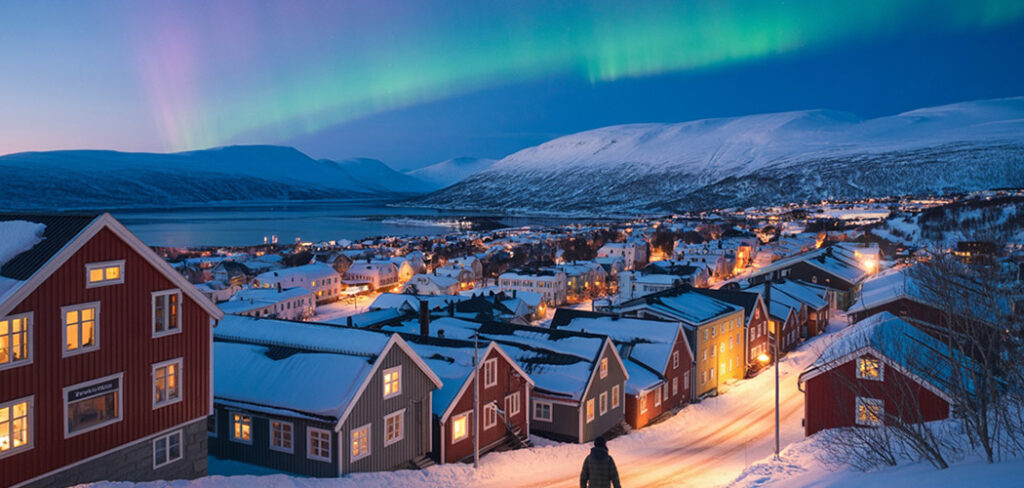
This route is incredibly popular for tourism, offering breathtaking coastal views and a chance to see the Northern Lights. Planning your itinerary properly saves time, reduces costs, and helps you avoid unwanted stress during your adventure.
In this guide, you will learn the best ways to complete this journey, including costs, travel times, and essential travel tips. Whether you choose a quick flight, a scenic ferry, or an adventurous road trip, having the right information makes all the difference.
How to Get There
Travelers usually start their journey at Bergen Airport (Flesland) or the central train and ferry terminals in the city. To reach your destination, you will head toward Tromso Airport (Langnes) or the main harbor if you travel by sea.
There are several major transportation routes available for this trip, including direct air travel, coastal ferries, and long driving routes. Flights are the most frequent option, with daily departures making the connection quick and simple.
A general travel duration ranges from a short two-hour flight to a multi-day journey by boat or car. Looking at a route map, the path heads far north along the rugged Norwegian coastline.
6 Simple Steps on How to Travel From Bergen to Tromso
Taking this journey involves deciding which method fits your schedule and budget. There are multiple ways to travel, ranging from high-speed air routes to slow, scenic coastal cruises.
Step 1: Choose Your Preferred Transport Mode
The first thing you need to do is decide how you want to experience the journey. You can fly directly, take a multi-day cruise, or drive the long coastal route.
Taking a flight takes about two hours, while a ferry journey lasts several days. The cost can range from a very affordable airline ticket to a premium cabin price on a cruise ship.
Comfort levels vary widely, with ferries offering high luxury and flights prioritizing speed. This step is best for travelers who want to align their budget with their desired experience. A good practical tip is to book early regardless of your choice.
Step 2: Book a Direct or Connecting Flight
Flying is by far the most common way to complete this route. You will depart from Bergen Airport and land at Tromso Airport.
The total travel time usually takes around two hours for a direct flight, though layovers in Oslo can add a few extra hours. Average costs fall into the budget to mid-range category if you book your airline tickets well in advance.
Comfort levels are medium, offering standard airline seating. Daily flights are available, making this highly flexible. This option is best for fast travel and those with limited vacation time.
Step 3: Consider the Scenic Coastal Ferry
If you want a truly memorable experience, booking a ticket on the Hurtigruten or Havila coastal ferry is a fantastic idea. You will board the ship in Bergen and sail north along the spectacular coastline.
This travel time takes about four to five days, depending on the exact schedule and port stops. The cost falls into the higher range, as you are paying for accommodation, meals, and transportation all at once.
Comfort levels are very high, giving you a relaxing and luxurious experience. This option is best for sightseers and those who want to experience the famous Norwegian fjords up close.
Step 4: Look Into Bus and Train Combinations
Norway does not have a direct train line that goes all the way north, so you must combine trains and buses. You can take a train from Bergen to Oslo, then head north to Fauske or Bodo before switching to a long-distance bus.
This travel time easily takes over 24 to 30 hours of continuous travel. The cost is mid-range, though overnight sleeper trains can increase the price.
Comfort levels are medium, as Norwegian trains are pleasant but the long bus ride can be tiring. This step is best for slow travelers who love overland journeys and scenic railway routes.
Step 5: Plan a Scenic Road Trip
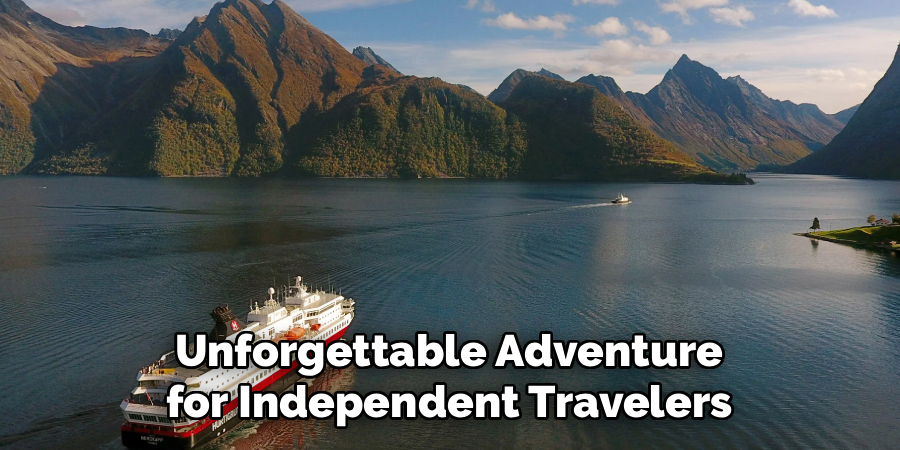
Renting a car and driving north is an unforgettable adventure for independent travelers. The drive covers over 1,500 kilometers and requires multiple ferry crossings along the western coast.
The total travel time usually takes three to five days, depending on how often you stop to rest or take photos. The cost is generally high due to rental fees, fuel, toll roads, and overnight hotel stays.
Comfort levels are highly flexible since you control your own pace and schedule. This option is best for adventurous groups or families who want total freedom to explore hidden spots along the way.
Step 6: Finalize Local Airport Transfers
Once you arrive at your destination, you need to navigate from the arrival point to your hotel. If you fly, you will land at Langnes Airport, which is located just a short distance from the city center.
The travel time for this final transfer is about ten to fifteen minutes by taxi or airport express bus. The cost is very low, making it an easy addition to your overall budget.
Comfort levels are high, and these shuttles are available daily to match flight arrivals. This step is essential for everyone, ensuring a smooth and stress-free end to your long journey.
Pros and Cons of Each Travel Option
Every transportation method has its own distinct advantages and disadvantages. Flights are incredibly fast and convenient, but they skip the beautiful landscapes entirely.
Taking the coastal ferry offers unmatched scenery and high comfort, but the cost and time commitment are significant. Driving gives you ultimate flexibility to stop wherever you please, though fuel and toll costs add up quickly.
Train and bus combinations offer a unique overland adventure, but they are prone to long travel times and potential weather delays. Comparing these choices helps you pick the right balance for your trip.
Best Way to Travel
For the vast majority of visitors, flying is the best overall travel option. It perfectly balances time, cost, and overall convenience.

By taking a short flight, you save days of travel time that can be better spent exploring the Arctic landscape, dog sledding, or hunting for the Northern Lights. The reliability and daily availability of airlines make it incredibly easy to schedule.
While taking a coastal ferry is beautiful, it is simply too time-consuming for the average vacation schedule. Flying gets you to your destination feeling fresh and ready to explore.
Cheapest Way to Travel
Booking a budget airline ticket well in advance is almost always the lowest-cost travel option. Prices can drop to very affordable levels during the off-season or promotional sales.
It is the cheapest because the route is highly competitive among regional airlines. The main trade-off is that you might have to pay extra for checked luggage or seat selection.
Availability is excellent, with multiple flights operating daily. To save even more money, try to book your tickets at least a month early and travel with just a carry-on bag.
Fastest Way to Travel
Flying directly is undoubtedly the fastest travel option available. The door-to-door travel time, including airport transfers and security checks, is usually under four hours.
It is the fastest because it takes a direct route over the mountains and fjords that make driving so slow. Even if you have to connect through Oslo, the total journey is still significantly quicker than any overland method.
The convenience of arriving on the same day heavily outweighs the time spent waiting in airport terminals. Direct flights are available several times a week, while connecting flights run daily.
Travel Documents You Must Carry
Carrying the correct documents ensures your journey goes smoothly without any unexpected delays. You will need a valid passport or a National ID card if you are traveling from within the Schengen Area.
Ensure you have your flight, train, or bus tickets saved digitally, with printed copies as a backup. A copy of your hotel booking confirmation and travel insurance policy is also highly recommended.
If you plan to drive, you must carry a valid driver’s license. Keep all these important documents organized in a secure travel folder inside your carry-on bag.
Estimated Budget & Money-Saving Tips
An estimated budget for this trip largely depends on your chosen transportation and travel style. A quick flight and budget accommodation can keep costs quite reasonable, while luxury ferries will require a much larger budget.
Your main expenses will be transport, food, and any local tours or activities you book. To save money, consider buying groceries instead of eating out at restaurants for every meal.
Booking transport tickets well in advance and traveling outside the peak summer or winter holiday seasons can also lower your costs. Using public transport buses instead of taxis is another great way to stretch your budget.
Currency & Money Management
The local currency used throughout Norway is the Norwegian Krone. It is helpful to have a basic understanding of the current exchange rate before you arrive.
Norway is a heavily cashless society, so credit cards, debit cards, and contactless payments are accepted almost everywhere. ATMs are easily accessible in both cities if you need to withdraw funds.
It is still wise to carry a small amount of cash for minor purchases or tips. To avoid extra fees, use a travel card with no foreign transaction charges and decline dynamic currency conversion at card machines.
Internet & WiFi Availability
Staying connected during your journey is very easy and reliable. Public WiFi is widely available at airports, train stations, local cafes, and hotels.
The internet speed is generally excellent, even in more remote coastal areas. Most free WiFi options are fast enough for checking maps, browsing, and messaging.
Using your mobile data plan is a great backup, especially if you have a local or regional eSIM. For safety, avoid logging into banking apps on unsecured public networks without using a secure connection.
Travel Tips
Planning and booking your transportation well in advance is the best way to ensure a smooth journey. Arriving early at the airport or ferry terminal helps reduce stress before departure.
Keep your important documents easily accessible but safely stored away from pickpockets. Packing light and smart is essential, especially since you will be moving between different climates.
Always check the local weather forecasts before you travel, as Arctic conditions can change rapidly. Using mobile apps for digital tickets, real-time navigation, and weather updates will make your trip much easier.
Travel Safety, Common Scams & Mistakes to Avoid
Norway is generally a very safe country, but maintaining basic travel safety awareness is always important. Scams are rare, but you should still watch out for unlicensed taxis or overly expensive tourist traps.
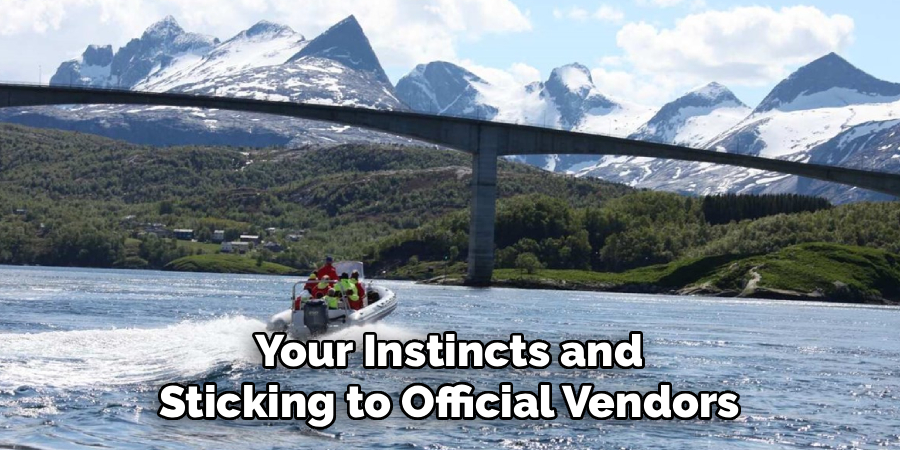
Stay alert and always verify services before handing over any payment. Identifying suspicious situations is mostly about trusting your instincts and sticking to official vendors.
Keep your valuables, such as phones and wallets, secure in zippered bags. Avoid sharing your personal hotel details with strangers, and remain vigilant in crowded transport hubs.
Safety & Health Precautions
Combining general safety and health precautions helps ensure a comfortable trip. Tap water in Norway is perfectly safe to drink, so carrying a reusable water bottle is a great idea.
When traveling in winter, dress in warm layers to protect yourself from the freezing Arctic temperatures. It is smart to carry basic medicines, such as pain relievers or motion sickness pills, especially if you are taking a ferry.
Pay attention to icy sidewalks and unfamiliar terrain to avoid slips and falls. Keeping emergency contacts saved in your phone ensures you are prepared for anything.
Emergency Contacts & Useful Links
Knowing who to call in an emergency provides great peace of mind. The most important emergency numbers in Norway are 112 for police, 113 for an ambulance, and 110 for the fire department.
It is wise to keep the contact details of your home country’s embassy or consulate handy just in case. Saving transport helplines for your specific airline or ferry operator can help resolve sudden delays.
You can find a lot of reliable information on official local tourism websites. Save these important contacts offline in your phone before your trip begins.
Frequently Asked Questions
What is the travel time between these two cities?
A direct flight takes about two hours, making it the quickest option. If you choose to drive or take a coastal ferry, the journey will take anywhere from three to five days depending on your pace.

How to travel from Bergen to Tromso on a budget?
The most budget-friendly option is to book a regional flight several months in advance. Traveling with only a carry-on bag and flying during the off-season will help you secure the lowest possible ticket prices.
Is the coastal ferry worth the extra cost?
Yes, if you have the time and budget for a scenic cruise experience. It offers incredible views of the Norwegian fjords that you simply cannot see from an airplane window.
Conclusion
Understanding how to travel from Bergen to Tromso ensures your adventure up the Norwegian coast is a complete success. This journey is incredibly safe, accessible, and filled with breathtaking views no matter which transport method you select.
Taking the time to plan your itinerary, organize your travel documents, and pack appropriately removes all the stress from your trip. Always double-check your departure times and weather conditions before setting out. Safe travels, and enjoy exploring the magic of the Arctic!

About
Ethan Brooks is a dedicated travel writer and tourism specialist with over a decade of experience exploring more than 150 countries. His professional focus centers on city routes and budget travel, where he combines real-world travel insights with efficient planning strategies.
Ethan is known for creating smart, well-structured travel systems that are practical, cost-effective, and easy to follow. As a core author at thetraveliy.com, he helps both first-time travelers and experienced explorers plan smooth, confident journeys.
Education
The University of Queensland (Australia) Bachelor’s Degree in Tourism Management
-
Focus: Global tourism systems, destination planning, and travel operations.
-
Specialization: Gained practical knowledge in travel logistics, itinerary development, and tourism industry structures.
Publications and Impact
At thetraveliy.com, Ethan Brooks publishes clear, structured, and experience-driven content focused on:
-
Transportation Logistics: Navigating complex transit systems with ease.
-
Itinerary Planning: Creating time-efficient schedules for any destination.
-
Budget-Friendly Solutions: Maximizing value without sacrificing the experience.
Ethan’s work simplifies complex travel decisions, making it easier for readers to plan efficient and affordable trips. By blending practical advice with real-world experience, he helps travelers create well-organized journeys while saving both time and money.