

Planning a trip to Northern Italy is always an exciting experience. If you are wondering how to travel from Como to Bellagio, you are in the right place. This journey connects a bustling lakeside city with a charming, world-famous village.
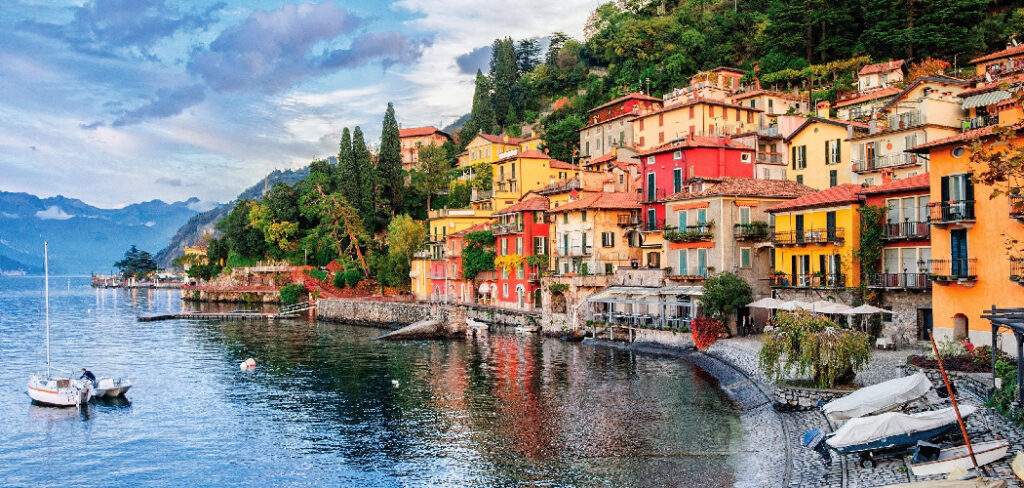
It is popular because of the stunning scenic beauty and the sheer convenience for tourists exploring the region. Planning this trip properly saves time, cuts down on cost, and helps you avoid unnecessary stress.
You will learn the best way, average costs, travel time, and useful tips for your itinerary. We will cover a short overview of travel options including ferries, buses, and cars to make your transportation seamless.
How to Get There
To start this journey, most visitors fly into the nearest airport, which is usually Milan Malpensa or Milan Linate. From the airport, travelers typically reach the starting point of Como by taking a direct train or a rental car.
Once you arrive in the city, the journey forward offers several major routes. You can take the road by car or bus, or enjoy the beautiful waters via ferry.
The general travel duration ranges from forty-five minutes to two hours depending on your chosen method. Transportation is highly available, with daily buses and frequent ferries operating from the main terminals. A simple map search will show that the route follows the edge of the lake, making the connection visually spectacular.
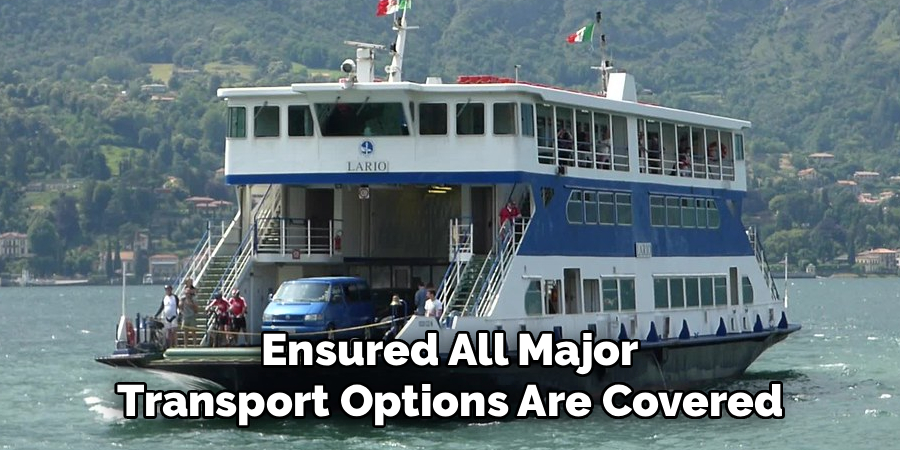
6 Easy Steps on How to Travel From Como to Bellagio
This breakdown is your main guide to navigating this beautiful region. There are multiple ways to travel, depending on your schedule and personal preferences. We have ensured all major transport options are covered across these different steps.
Step 1: Book Your Arrival Flight
The first phase of your transportation involves flying into the Lombardy region. You will want to review airline rules and book a flight to Milan, the closest major hub. This step requires a few hours of travel time depending on your origin, and costs vary based on your departure city. Comfort levels are generally high if you choose a premium airline. Daily flights are available from most major global airports. This option is best for international travelers starting their vacation, offering a seamless way to begin the adventure. Keep your travel essentials handy in your carry-on bag.
Step 2: Take the Train to the Starting City
Once you land, the next logical move is taking a train from Milan directly to the main railway station. The approximate travel time for this railway segment is about forty minutes to an hour. The average cost ranges from five to fifteen dollars, making it highly affordable. The comfort level is medium, as commuter trains can get busy during peak tourist seasons. Trains run frequently, with multiple daily departures from the central hubs. This step is best for budget travelers and those wanting fast, reliable ground transit. A helpful tip is to validate your ticket at the machines before boarding.
Step 3: Catch a Scenic Ferry
Riding the ferry is widely considered the most beautiful way to complete your itinerary. You simply walk to the terminal at the waterfront and buy a ticket for the slow or fast boat. The fast hydrofoil takes about forty-five minutes, while the slower scenic boat takes around two hours. Tickets usually range from ten to fifteen dollars each way. The comfort level is high, offering fresh air and unobstructed views of the surrounding mountains. Ferries run daily, though the schedule is limited during the winter months. This option is best for sightseers looking to soak in the famous atmosphere.

Step 4: Ride the Local Bus
If you prefer to stay on land, catching the local public bus is a very practical choice. The bus departs right next to the main train station and travels along the winding lake road. The approximate travel time is roughly one hour and ten minutes, depending heavily on local traffic. The cost is quite low, averaging around four to six dollars per passenger. Comfort is generally low to medium, as the road is narrow and the bus can get crowded. It runs daily with a regular schedule throughout the year. This step is best for budget travelers wanting a cheap, direct route.
Step 5: Rent and Drive a Car
Driving a rental car offers ultimate flexibility for your journey up the coastline. You can pick up a vehicle in Milan or directly in the city center. The drive takes about forty-five minutes to an hour without traffic stops. The average cost is higher, factoring in rental fees, fuel, and expensive parking at your destination. Comfort is high, allowing you to control the climate and stop for photos whenever you please. Cars are readily available from major rental agencies daily. This option is best for confident drivers and families carrying extra luggage.
Step 6: Hire a Private Transfer or Taxi
For a completely stress-free experience, booking a private transfer or a local taxi is a fantastic method. You arrange for a driver to pick you up at your hotel or the station and take you straight to your accommodation. Travel time is around fifty minutes door-to-door. This is the most expensive route, typically costing between one hundred and one hundred fifty dollars. The comfort level is extremely high, providing luxury seating and air conditioning. Private drivers are available daily but should be booked in advance. This step is best for travelers seeking maximum comfort and zero navigational worries.
Pros and Cons of Each Travel Option
Each travel option has distinct advantages and disadvantages to consider for your trip. Taking a flight into Milan offers great global connectivity but requires additional ground transfers.
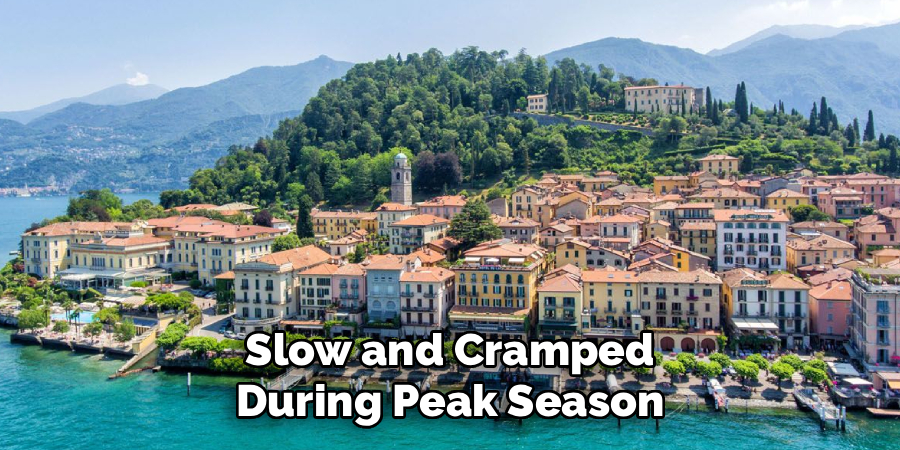
The train is cheap and reliable, though it only gets you as far as the main lakeside town. Riding the bus is highly economical but can be slow and cramped during peak season.
The ferry provides unmatched scenic views, yet it is dependent on weather and seasonal schedules. Finally, driving a car gives you ultimate flexibility, but dealing with narrow roads and limited parking can cause headaches.
Best Way to Travel
The best overall travel option is taking the fast ferry, known locally as the hydrofoil. It offers an ideal balance of reasonable travel time, moderate cost, and high comfort.
The convenience of leaving right from the downtown dock and arriving directly at the central pier is unbeatable. You bypass all the notorious summer road traffic while enjoying spectacular views of the water.
It suits average traveler needs perfectly, avoiding the high costs of private drivers and the cramped conditions of public buses. It is highly reliable and provides a memorable start to your visit.
Cheapest Way to Travel
The lowest-cost travel option is without a doubt the local public bus. The average price ranges from just four to six dollars for a one-way ticket.
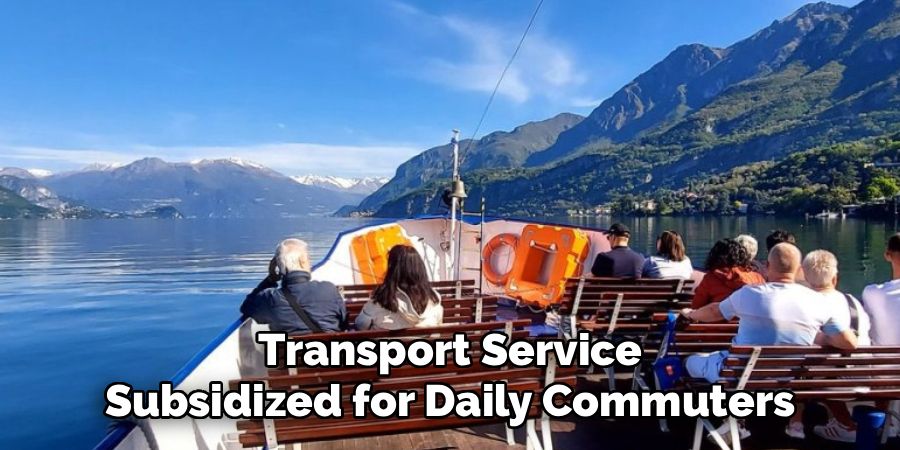
It is the cheapest choice because it is a shared regional transport service subsidized for daily commuters. The main trade-off is a longer travel time and less comfort, as the buses make many stops and fill up quickly.
However, they run on a regular schedule year-round. To save even more money and secure a seat, try to travel off-peak early in the morning or late in the afternoon.
Fastest Way to Travel
The fastest travel option is hiring a private taxi or driving a car, assuming the roads are clear. Total travel time can be as low as forty-five minutes door-to-door.
It is the fastest because it takes a direct route along the coastal road with absolutely no passenger stops. However, you must factor in the time spent navigating traffic during busy summer weekends.
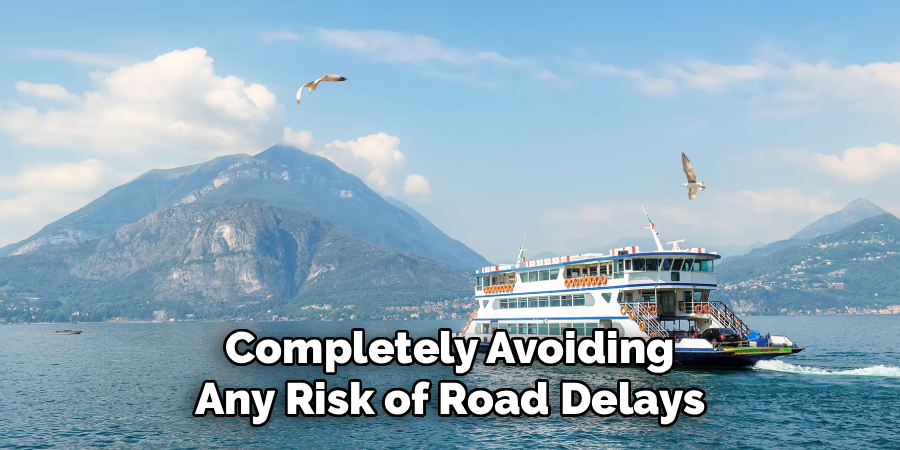
There is a clear convenience versus time trade-off, as driving requires full attention on narrow streets. Direct connecting options like the fast ferry are a close second, completely avoiding any risk of road delays.
Travel Documents You Must Carry
Packing the right documents is essential for a smooth journey. You will need your passport or national ID card to verify your identity. If required by your nationality, ensure your visa is up to date.
Always keep your flight, train, and bus tickets easily accessible, ideally holding both digital and printed copies. Carry your hotel booking confirmation and a copy of your travel insurance policy.
Have your emergency contact details written down. Bring a valid driver’s license if you plan on renting a vehicle. Pack your debit and credit cards, and keep photocopies of everything in a separate folder.
Estimated Budget & Money-Saving Tips
Providing an overall estimated budget helps you plan your itinerary smoothly. A mid-range traveler might spend around fifty to eighty dollars per day, covering local transport, food, and small expenses.
Budget travelers can easily reduce this to thirty dollars by using the bus and eating at local bakeries. Simple money-saving tips include booking your accommodation early and choosing to visit during the shoulder season.
Using public transport like the regional train or bus is a great way to save money compared to taxis. Look for multi-day boat passes if you plan on exploring various villages on the water.
Currency & Money Management
The local currency used throughout the region is the Euro. Having a basic awareness of the exchange rate will help you track your spending accurately.
Common payment methods include contactless credit and debit cards, which are accepted almost everywhere. ATM availability is excellent in the main towns, making cash withdrawals simple.
However, it is wise to carry a little small cash for buying bus tickets or paying at tiny cafes. To avoid extra fees, always choose to be charged in the local currency rather than your home currency. Keep your cash and cards in separate places for safety.
Internet & WiFi Availability
Staying connected is quite simple, thanks to the wide availability of public WiFi. You will find internet access at airports, train stations, local cafes, and your hotel.
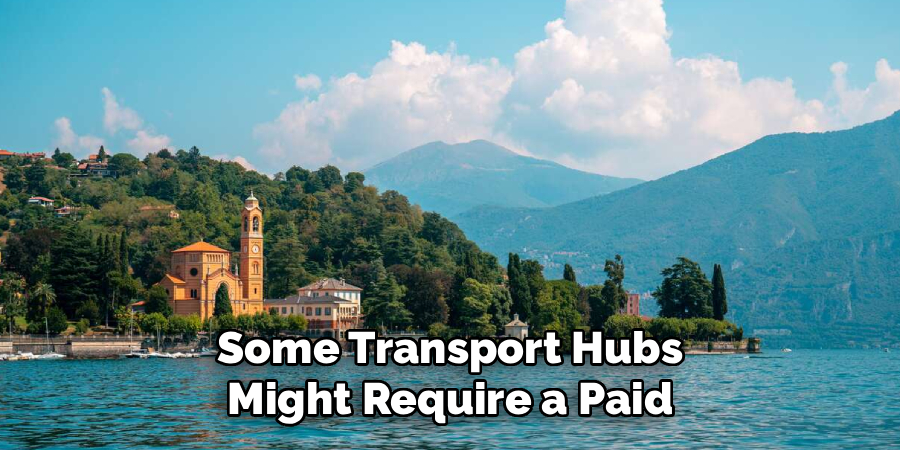
The general internet speed is fast and reliable in urban centers. Many restaurants offer free WiFi options for paying customers, while some transport hubs might require a paid premium for faster speeds.
Coverage is excellent in towns but can drop slightly on rural stretches of the coastal road. Using mobile data as a backup is highly suggested. Always access WiFi safely by avoiding unsecured networks.
Travel Tips
Following a few general tips will ensure a smooth and enjoyable journey. Planning and booking your tickets in advance is highly recommended, especially during the busy summer months.
Always arrive early at stations and ferry docks to secure a good spot in line. Keep your important documents organized and within easy reach in your day bag.
Packing light and smart is crucial, as you will likely navigate cobblestone streets and stairs. Check the weather forecast before travel, as ferry schedules can change during storms. Encourage yourself to use map apps for live navigation and updates.
Travel Safety, Common Scams & Mistakes to Avoid
Maintaining general travel safety awareness makes your vacation much more relaxing. Be mindful of common scams like unmetered fake taxis, overcharging at tourist-trap restaurants, or counterfeit ticket vendors.
Stay alert and always verify services by buying tickets from official booths. You can identify suspicious situations if someone aggressively insists on helping you with your luggage for a fee.
Always use official transport and verified private drivers. Keep your valuables secure and close to your body. Avoid sharing personal details with strangers, and stay alert in crowded areas.
Safety & Health Precautions
Taking basic safety and health precautions keeps your trip on track. Simple health tips include staying hydrated during the hot summer months and practicing good hand hygiene.
Be aware of common travel risks like navigating dense crowds or walking in unfamiliar, poorly lit areas at night. It is smart to carry basic medicines or a small first-aid kit in your day pack.
To avoid illness, stick to clean bottled water and make safe, well-cooked food choices. Always keep your emergency contacts easily accessible. Practicing responsible and cautious behavior ensures a wonderful vacation.
Emergency Contacts & Useful Links
Knowing who to call provides great peace of mind. The important emergency number in Italy for police, ambulance, and fire services is 112.
This local emergency contact system connects you to English-speaking operators. It is also wise to keep your local embassy or consulate contact details saved.

You should save the customer service helplines for your airlines and regional transport services just in case of delays. Check official tourism and government websites for local updates before you depart. Always save these contacts offline in your phone.
Frequently Asked Questions
What is the most scenic way to travel?
Riding the ferry is widely considered the most scenic method. You will enjoy fresh air, stunning mountain backdrops, and clear views of historic villas from the water. It is inexpensive and highly reliable.
Is there a direct train route available?
No, there is no direct train route to your final lakeside destination. The railway only goes as far as the main city station. From there, you must transfer to a bus, car, or boat.
Are there guided tours on How to Travel From Como to Bellagio?
Yes, many local companies offer guided day tours on How to Travel From Como to Bellagio. These packages typically cover your transportation, a dedicated guide, and often include a private boat ride.
Conclusion
Now that you know exactly How to Travel From Como to Bellagio, you can book your tickets with confidence. This journey is incredibly scenic, offering beautiful views whether you choose the road or the water.
Rest assured that the local transport network is easy to use, safe, and heavily catered to international visitors. Proper planning and early preparation will make your vacation deeply relaxing.
As a helpful final tip, try to start your travel day early in the morning to beat the afternoon crowds and enjoy the serene atmosphere.

About
Ethan Brooks is a dedicated travel writer and tourism specialist with over a decade of experience exploring more than 150 countries. His professional focus centers on city routes and budget travel, where he combines real-world travel insights with efficient planning strategies.
Ethan is known for creating smart, well-structured travel systems that are practical, cost-effective, and easy to follow. As a core author at thetraveliy.com, he helps both first-time travelers and experienced explorers plan smooth, confident journeys.
Education
The University of Queensland (Australia) Bachelor’s Degree in Tourism Management
-
Focus: Global tourism systems, destination planning, and travel operations.
-
Specialization: Gained practical knowledge in travel logistics, itinerary development, and tourism industry structures.
Publications and Impact
At thetraveliy.com, Ethan Brooks publishes clear, structured, and experience-driven content focused on:
-
Transportation Logistics: Navigating complex transit systems with ease.
-
Itinerary Planning: Creating time-efficient schedules for any destination.
-
Budget-Friendly Solutions: Maximizing value without sacrificing the experience.
Ethan’s work simplifies complex travel decisions, making it easier for readers to plan efficient and affordable trips. By blending practical advice with real-world experience, he helps travelers create well-organized journeys while saving both time and money.