

Planning a trip between two of Scandinavia’s most beautiful capitals is an exciting experience. Figuring out exactly how to travel from Copenhagen to Oslo is the first step in ensuring a smooth and enjoyable journey. This route is incredibly popular for both tourists and business travelers alike, thanks to the scenic beauty and deep cultural connections between Denmark and Norway.
Planning this trip properly will save you time, reduce costs, and help you avoid unnecessary stress along the way. In this guide, you will learn about the best travel methods, average costs, journey times, and useful insider tips. You have several great options, including flying, taking a scenic train, riding a budget-friendly bus, driving a car, or even enjoying an overnight ferry.
How to Get There
Your journey will typically begin near Copenhagen Airport (CPH) or the central train and bus stations in the heart of the city. Travelers usually reach these starting points using local metro lines, regional trains, or convenient city taxis. The major routes connecting these two cities include direct flights, extensive rail networks, highways for cars and buses, and a popular ferry route across the sea. Travel durations range widely, from a quick one-hour flight to an overnight ferry ride lasting around seventeen hours. Transport runs very frequently, with daily flights, buses, and trains ensuring you can always find a schedule that fits your needs. The route generally heads north from Denmark, crossing into Sweden before following the beautiful western coastline up to Norway.
6 Simple Steps on How to Travel From Copenhagen to Oslo
Planning a seamless journey means breaking down your options into manageable pieces. There are multiple ways to travel between these cities, and each method offers a unique experience. We have outlined all the major transport options below to help you make the best choice.
Step 1: Consider Taking a Direct Flight
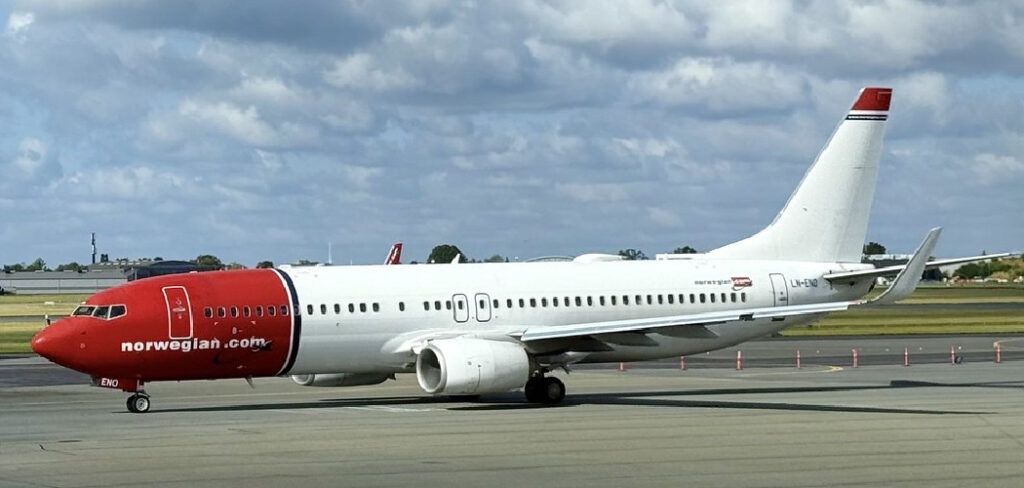
Flying is by far the most popular choice for travelers who want to maximize their time. The actual flight time is only about one hour, making it an incredibly fast option for busy schedules. When you add time for airport security and travel to the terminals, the total journey takes roughly three to four hours. The average cost ranges from budget-friendly to mid-range, depending heavily on how early you book your tickets. Comfort levels are generally high, and daily flights are available from several major airlines. This option is best for fast travel and business trips.
Step 2: Look Into the Scenic Train Route

Taking the train offers a relaxing and picturesque way to see the Scandinavian countryside. The journey typically takes around eight to nine hours, usually requiring a quick transfer in Gothenburg, Sweden. Train ticket costs fall firmly in the mid-range category, offering great value for the experience provided. Comfort levels are very high, as trains offer spacious seating, large windows, and onboard cafes. Several trains run daily, offering flexible departure times throughout the morning and afternoon. This step is perfect for travelers who prefer a comfortable, scenic ride over a rushed trip.
Step 3: Explore Budget-Friendly Bus Travel
Riding a long-distance bus is a fantastic way to keep your travel expenses as low as possible. The bus journey takes approximately eight to ten hours, following the same coastal highway routes as driving. This is typically the most budget-friendly estimate, making it highly appealing for students and backpackers. Comfort is medium, as modern buses offer reclining seats, onboard restrooms, and free Wi-Fi for passengers. Buses run multiple times daily, including overnight options that save you the cost of a hotel room. This option is best for budget travelers who do not mind a longer journey.
Step 4: Experience the Overnight Ferry
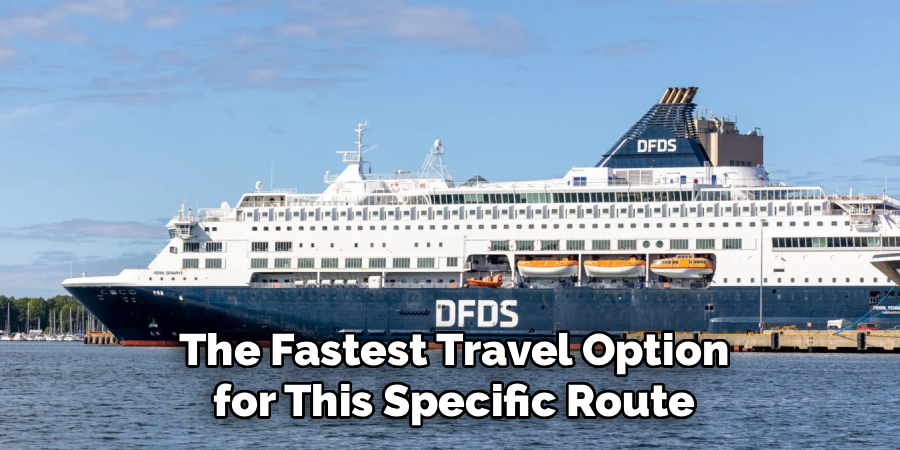
The overnight ferry turns your transportation into a miniature cruise experience. The voyage takes about seventeen hours, departing in the late afternoon and arriving the next morning. Costs range from mid-range to high, depending on your choice of cabin and onboard dining preferences. Comfort is extremely high, with access to restaurants, pools, entertainment, and a private bed to sleep in. The ferry operates daily and is highly reliable regardless of typical weather conditions. This option is best for travelers seeking comfort, romance, or a fun family experience on the water.
Step 5: Rent a Car for a Road Trip
Driving yourself gives you the ultimate freedom to explore the route at your own pace. The drive takes about six to eight hours of direct travel time, though most people stop along the beautiful Swedish coast. Costs can be mid-range to high when you factor in rental fees, fuel, and bridge tolls. Comfort is highly dependent on your vehicle, but you have the flexibility to take breaks whenever you want. You can start this journey anytime, making it the most flexible option available. This is best for families, groups, or adventurers who want to explore off the beaten path.
Step 6: Finalize Your Booking and Itinerary
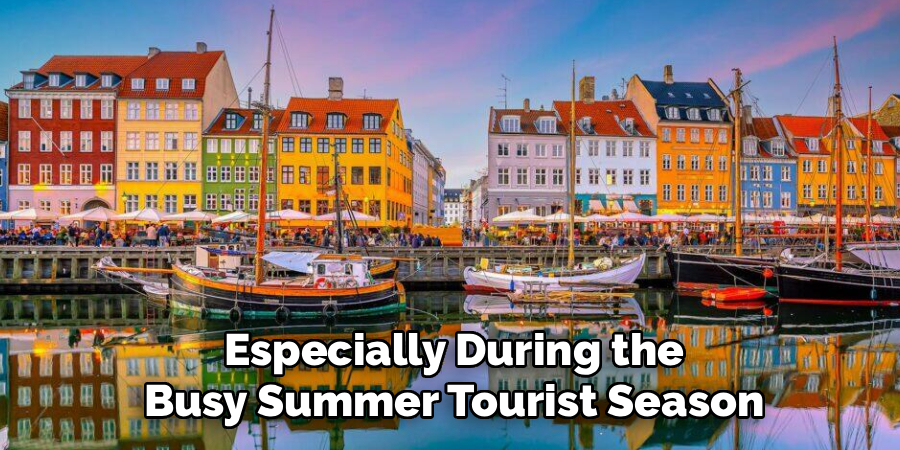
Once you select your preferred transport method, booking early is the best way to secure good prices. Every option requires some level of advance planning, especially during the busy summer tourist season. Take time to map out your journey from your hotel in Denmark to your final accommodation in Norway. Ensure you account for minor transfer times, like taking the train from the airport to the city center. Having a concrete itinerary helps reduce travel anxiety and keeps your schedule on track. A smart tip is to download your transport provider’s mobile app for real-time updates.
Pros and Cons of Each Travel Option
Every travel option comes with its own unique advantages and distinct disadvantages. Flying is incredibly fast and convenient, but it involves airport security lines and potential luggage fees. Trains offer immense comfort and scenic views, though they take longer and require a transfer. Buses provide the best financial savings, but the long journey and limited legroom can be tiring. The ferry provides a luxurious, relaxing overnight experience, yet it is the slowest way to travel. Driving offers complete flexibility and beautiful detours, but fuel costs, tolls, and driving fatigue are real drawbacks.
Best Way to Travel
The overnight ferry often stands out as the best overall travel option for many visitors. It provides a perfect balance of comfort, convenience, and unique Scandinavian charm. While it takes longer, you save money on a night of hotel accommodation while sleeping peacefully. The reliability is excellent, and waking up to views of the spectacular Oslofjord is truly unforgettable. This option suits the average traveler perfectly, blending transport and leisure into one seamless experience. It avoids the stress of airport security and the fatigue of long highway drives.
Cheapest Way to Travel
The long-distance bus is consistently the lowest-cost travel option between the two capitals. Average prices can be surprisingly low, often costing less than a modest dinner if booked well in advance. It is cheap because you are sharing the transport costs with many others without the premium fees of airlines. The main trade-offs include a significantly longer travel time and less physical space to stretch out. Daily schedules are very regular, ensuring you can easily find a seat. Booking early and choosing off-peak travel times will help you secure the absolute best deals.
Fastest Way to Travel
Flying is undeniably the fastest travel option for this specific route. The direct flight itself takes just about an hour from runway to runway. Even when you include airport check-in, security screening, and transport to the city center, it is still the quickest method. You trade the scenic surface views for unparalleled speed and efficiency. Direct flights are widely available throughout the day from major airlines, offering maximum schedule flexibility. This makes flying incredibly realistic for anyone on a tight schedule or a quick weekend getaway.
Travel Documents You Must Carry
You will need a valid Passport or National ID card to travel between Denmark and Norway. A visa is required only if your home country does not have a visa-free agreement with the Schengen Area. Always keep your digital and printed flight, train, or bus tickets easily accessible. Carry your hotel booking confirmation and a printed copy of your travel insurance. Keep emergency contact details written down, and bring a driver’s license if you plan to rent a car. Keep your debit and credit cards safe, and organize all important photocopies in a secure travel folder.
Estimated Budget & Money-Saving Tips
Your overall estimated budget will depend heavily on your chosen travel style and transport. Transport, local food, minor local transit, and small daily expenses form the core of your trip costs. A budget traveler might spend carefully on bus tickets and street food, while a mid-range traveler may prefer trains and sit-down meals. Booking your main transport tickets a few months early is the simplest money-saving tip. Suggest using public city transport upon arrival rather than expensive private taxis to save more money. Look out for city passes that offer discounted transit and museum entry in both capitals.
Currency & Money Management
Denmark uses the Danish Krone, while Norway uses the Norwegian Krone, so you will cross currency zones. Having a basic understanding of the exchange rate for both currencies will help you track your spending. The most common payment methods are credit cards, debit cards, and contactless mobile payments, which are accepted almost everywhere. ATMs are widely available and highly accessible in both cities if you need them. Carrying a small amount of cash is fine, but cards are king in Scandinavia. Pay in the local currency on card machines to avoid expensive currency conversion fees.

Internet & WiFi Availability
Public WiFi is highly available in airports, train stations, cafes, and hotels throughout your journey. General internet speed in this region is excellent, highly reliable, and very fast. Free WiFi is standard in most public spaces, though premium paid options occasionally exist on certain transport. Coverage is exceptional in urban areas and remains surprisingly strong even in rural coastal stretches. Using your mobile data plan as a backup is highly recommended if your carrier allows affordable roaming. Always use caution and avoid accessing sensitive banking information on unsecured public networks.
Travel Tips
Careful planning ensures a smooth journey from start to finish. Planning and booking everything in advance prevents last-minute stress and guarantees better pricing. Always arrive early at train stations or airports to navigate large crowds without rushing. Keep your important documents organized in a secure, easily accessible pouch. Packing light and smart makes navigating cobblestone streets and train aisles much easier. Always check the local weather before travel so you can pack appropriate layers for the Nordic climate. Using offline navigation apps will help you find your way smoothly upon arrival.
Travel Safety, Common Scams & Mistakes to Avoid
General travel safety awareness is important, even in highly secure Scandinavian countries. Common scams are rare, but watch out for unofficial taxis or people offering unsolicited help with luggage for a fee. Stay alert and verify services by only using official taxi ranks and ticket machines. You can identify suspicious situations if someone creates unnecessary urgency or distraction. Always use verified services and keep your valuables completely secure in zipped bags. Avoid sharing your personal travel details or accommodation address with strangers. Staying alert in crowded tourist areas easily prevents basic pickpocketing.
Safety & Health Precautions
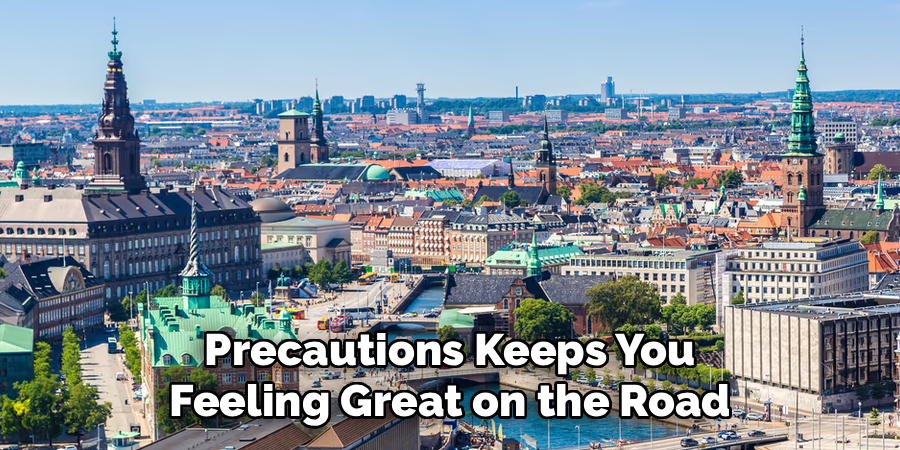
Combining general safety with health precautions keeps you feeling great on the road. Stay hydrated, wash your hands frequently, and enjoy the incredibly safe local food and tap water. The most common travel risks involve losing track of your belongings in busy transport hubs. Carrying a small first-aid kit with basic medicines for headaches or motion sickness is always a smart idea. Clean tap water and excellent food standards mean you rarely have to worry about illness. Keep your emergency contacts accessible in your phone and written on paper. Responsible, cautious behavior guarantees a completely stress-free trip.
Emergency Contacts & Useful Links
The universal emergency number for police, ambulance, and fire services is 112 in both Denmark and Norway. This local emergency contact system is fast, free, and operators speak excellent English. Keep your home country’s embassy or consulate contact details saved just in case you lose your passport. Save the transport helplines for your specific airline, train, or bus service in your phone. Official tourism and government websites are fantastic resources for up-to-date regional advice. Saving these important contacts offline ensures you can always reach help without an internet connection.
Frequently Asked Questions
What is the best way on how to travel from Copenhagen to Oslo?
The best way depends on your preferences, but the overnight ferry offers an excellent mix of comfort, beautiful views, and a relaxed pace. It saves you a night of hotel expenses while providing a unique experience.
How much time does the trip take?
A direct flight takes just one hour of air time. Taking the train or bus generally requires eight to ten hours. The ferry takes around seventeen hours overnight, while driving takes about seven hours.
Are the buses comfortable for this long trip?
Yes, long-distance buses on this route are very modern. They feature comfortable reclining seats, free Wi-Fi, onboard restrooms, and air conditioning. They offer a highly practical way to keep your travel costs as low as possible.

Conclusion
Understanding how to travel from Copenhagen to Oslo gives you the confidence to enjoy a spectacular Scandinavian adventure. The journey between these two capitals is a highlight in itself, offering a summary of beautiful landscapes and efficient infrastructure. Whether you choose the skies, the rails, the roads, or the sea, you can feel reassured about an easy and safe travel experience. Proper planning and preparation guarantee you will have more time to enjoy your destination. As a final tip, always pack a warm layer, as the coastal breeze can be chilly no matter how you choose to travel!

About
Ethan Brooks is a dedicated travel writer and tourism specialist with over a decade of experience exploring more than 150 countries. His professional focus centers on city routes and budget travel, where he combines real-world travel insights with efficient planning strategies.
Ethan is known for creating smart, well-structured travel systems that are practical, cost-effective, and easy to follow. As a core author at thetraveliy.com, he helps both first-time travelers and experienced explorers plan smooth, confident journeys.
Education
The University of Queensland (Australia) Bachelor’s Degree in Tourism Management
-
Focus: Global tourism systems, destination planning, and travel operations.
-
Specialization: Gained practical knowledge in travel logistics, itinerary development, and tourism industry structures.
Publications and Impact
At thetraveliy.com, Ethan Brooks publishes clear, structured, and experience-driven content focused on:
-
Transportation Logistics: Navigating complex transit systems with ease.
-
Itinerary Planning: Creating time-efficient schedules for any destination.
-
Budget-Friendly Solutions: Maximizing value without sacrificing the experience.
Ethan’s work simplifies complex travel decisions, making it easier for readers to plan efficient and affordable trips. By blending practical advice with real-world experience, he helps travelers create well-organized journeys while saving both time and money.