

Planning a trip to this beautiful Mediterranean country is an exciting journey. Understanding how to travel within Italy is essential for making the most of your vacation. Italy is a vastly popular travel destination filled with historic cities, stunning coastlines, and incredible cultural landmarks.
Proper travel planning ensures you save time, reduce costs, and avoid unnecessary confusion during your transportation across regions. In this guide, you will learn everything you need about local transport options, travel essentials, and budgeting.
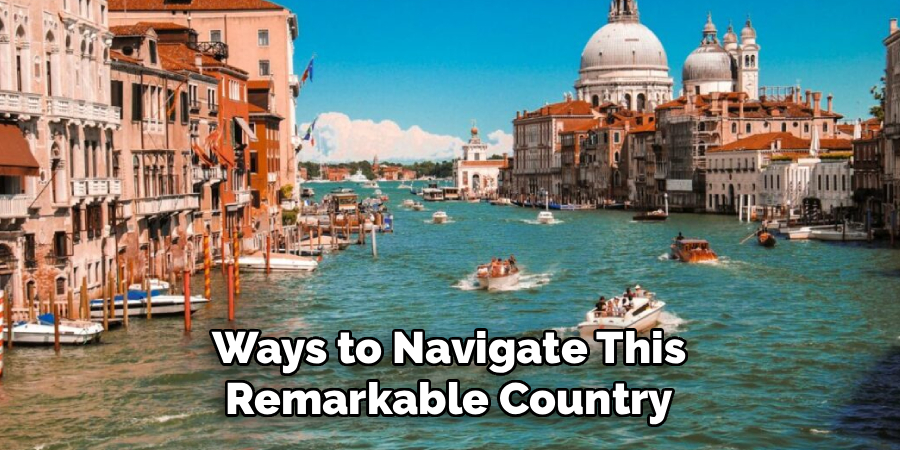
Whether you take a fast train or enjoy a scenic coastal drive, getting around is incredibly convenient. We will walk you through the simplest ways to navigate this remarkable country.
Best Time to Visit & Seasonal Weather
The absolute best months to visit Italy are May, June, September, and October. During these shoulder seasons, the weather is pleasantly warm without the extreme heat of mid-summer.
Summer brings large crowds and high temperatures, making sightseeing a bit exhausting. Winter is mostly mild in the south but cold and snowy in the northern alpine regions.
Budget travelers often prefer the winter off-season for cheaper flights and quieter museums. If you want to experience the Venice Carnival or outdoor summer festivals, plan your itinerary accordingly.
Visa & Entry Requirements for Tourists
Tourists from many countries, including the USA, Canada, and the UK, can enter visa-free for up to 90 days. You must ensure your passport is valid for at least six months beyond your planned departure date.
Currently, a simple immigration check is all that is required upon arrival. Soon, an electronic travel authorization (ETIAS) will become mandatory for visa-exempt visitors.
Border officials may sometimes ask to see a return ticket or proof of hotel bookings. It is also wise to have basic proof of funds for your journey.
Travel Requirements
Carrying your physical passport is mandatory at all times, as hotels require it for check-in. You do not currently need specific health forms or vaccinations to enter the country.
However, purchasing comprehensive travel insurance is highly recommended to cover unexpected medical costs or trip cancellations. Having your return or onward ticket accessible on your phone will streamline your arrival process.
Additionally, keep your accommodation details and booking confirmations handy. Finally, be mindful of airline rules regarding luggage sizes, especially on domestic budget flights.
How to Get There
Most international travelers arrive at major hubs like Rome Fiumicino or Milan Malpensa. These massive airports connect seamlessly to global cities with daily direct flights.
Once you land, reaching your first destination is incredibly straightforward. You can easily access the national rail network directly from these airport terminals.
Travel duration from the United States typically ranges from eight to twelve hours, depending on your departure city. Using apps like Google Maps will give you a clear route overview of how the transportation connects.

6 Incredible Steps to Plan Your Journey
Mapping out your trip requires knowing the diverse transit options available. There are multiple ways to travel, ranging from high-speed rails to scenic coastal ferries.
Step 1: Choose High-Speed Trains
Taking a fast train is the most popular way to connect major cities like Rome, Florence, and Milan. Travel time is remarkably short, often taking less than two hours between major hubs. The average cost ranges from thirty to eighty euros depending on how early you book. Comfort levels are extremely high, featuring spacious seating and onboard cafes. Trains run daily with frequent departures, making this the best option for fast travel. Always validate your regional train tickets before boarding to avoid fines.
Step 2: Utilize Domestic Flights
Flying is the quickest option when traveling long distances, such as from Milan to Sicily. The flight itself usually takes under two hours, though you must account for airport security wait times. Budget airlines offer tickets ranging from twenty to sixty euros, making it surprisingly affordable. Comfort is medium, as budget airline rules often restrict legroom and luggage allowances. Daily flights are widely available across all major regional airports. This option is perfect for travelers with limited vacation time who want to skip long overland routes.
Step 3: Ride the Regional Buses
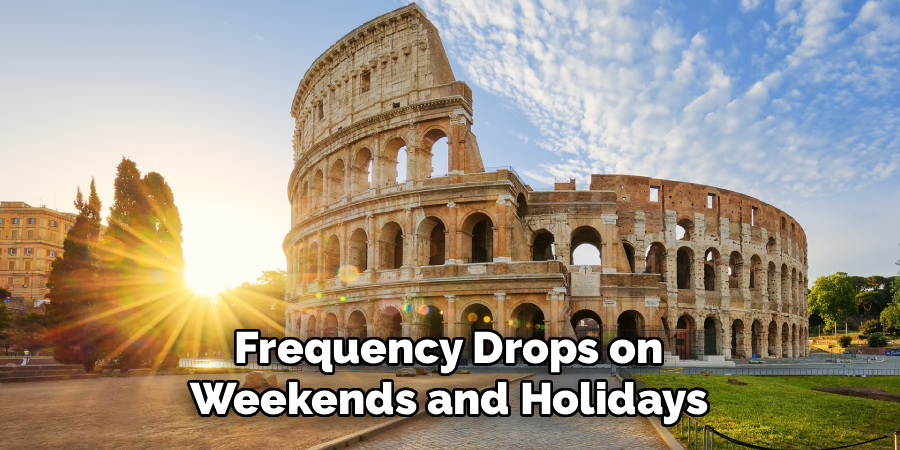
Buses are an excellent alternative for reaching smaller towns that lack direct train stations. A bus journey from Rome to Siena might take three hours but offers beautiful countryside views. Prices are incredibly budget-friendly, typically costing between ten and twenty-five euros per trip. The comfort level is medium, with modern coaches providing air conditioning and basic Wi-Fi. Buses run on flexible daily schedules, though frequency drops on weekends and holidays. This transit method is highly recommended for budget travelers and backpackers.
Step 4: Rent a Car for Countryside Exploration
Driving yourself unlocks the ultimate freedom to explore rural Tuscany or the dramatic Amalfi Coast. Travel time is entirely up to your personal itinerary and how often you stop for photos. Car rentals average fifty to one hundred euros per day, not including fuel or highway tolls. The comfort level is high since you control the environment and your luggage space. Rental agencies operate at all airports and major city transit hubs. Driving is best suited for confident travelers who want to escape the main tourist paths.
Step 5: Take Scenic Ferries
Ferries are essential if you plan to visit islands like Capri, Sardinia, or Sicily. A quick hydrofoil ride takes less than an hour, while overnight ferries take up to twelve hours. Ticket prices vary widely, from twenty euros for short hops to over one hundred euros for sleeping cabins. The comfort level ranges from medium to high, offering open-air decks and stunning ocean views. Sailings are frequent in the summer but heavily reduced during the winter months. This is a brilliant option for those seeking a slow, relaxed, and scenic voyage.
Step 6: Use Local City Transit
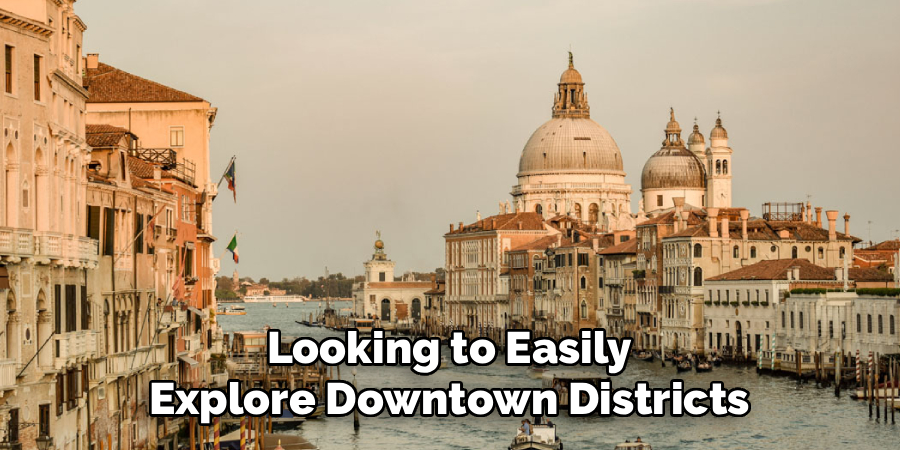
Navigating inside the cities requires a mix of metros, trams, and local public buses. Most urban trips take less than thirty minutes to reach major historic landmarks. A single transit ticket usually costs around one to two euros, making it very economical. Comfort is relatively low during rush hours due to heavy commuter crowds. City transport runs continuously from early morning until midnight in major metropolitan areas. This step is mandatory for every traveler looking to easily explore downtown districts.
Pros and Cons of Each Travel Option
Every mode of transportation has distinct advantages and disadvantages to consider. High-speed trains offer unmatched speed and comfort, but can be pricey if booked at the last minute.
Flights cover massive distances quickly but involve strict airline rules and frustrating airport transfers. Buses are highly economical and reach remote villages, yet they are often subject to highway traffic delays.
Renting a car provides complete flexibility but requires navigating aggressive local traffic and expensive parking fees. Ferries offer gorgeous sea views but are highly dependent on favorable weather conditions.
Best Way to Travel
The absolute best overall transportation method is the national train network. It perfectly balances speed, cost, and passenger comfort for the average traveler.
Trains deliver you directly into the historic center of cities, eliminating the need for expensive airport taxis. They are highly reliable and rarely affected by weather disruptions compared to flights or ferries.
Unless you are exclusively touring remote countryside vineyards, stick to the rails. It simplifies your journey and drastically reduces your daily travel stress.
Top Attractions & Must-Visit Places
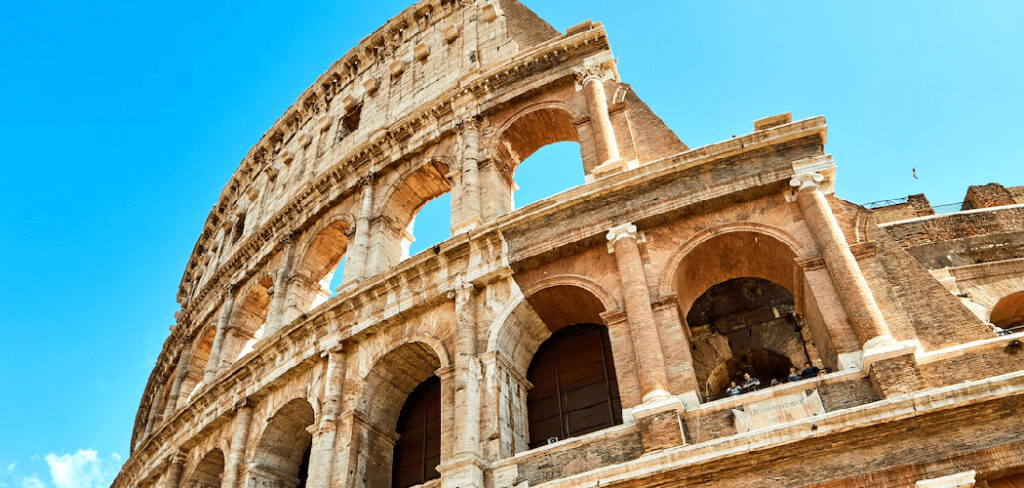
The Colosseum in Rome is a breathtaking ancient landmark that every first-time visitor must see. In Florence, the Uffizi Gallery houses some of the most spectacular Renaissance art in the world.
Venice offers the magical experience of navigating winding canals by gondola or water bus. Nature lovers should not miss the dramatic cliffside villages of the Cinque Terre.
Pompeii provides a hauntingly beautiful glimpse into ancient history near Naples. Always book your entry tickets well in advance to skip the massive summer queues.
Best Areas to Stay
For first-time visitors, staying in the historic center (Centro Storico) of any city is highly recommended. Mid-range boutique hotels in these neighborhoods keep you within walking distance of major sights.
Budget travelers can easily find fantastic hostels in lively university districts like San Lorenzo in Rome. If you want a luxury experience, the Amalfi Coast offers world-class coastal resorts with private beaches.
Renting an Airbnb in a quiet residential area provides a more authentic, local living experience. Always check your accommodation’s proximity to the nearest central train station for easy morning departures.
Food & Local Cuisine
Your culinary journey will be just as memorable as the historic sightseeing. You absolutely must try authentic Neapolitan pizza in Naples and fresh pasta carbonara in Rome.
Street food, like Sicilian arancini or Roman supplì, is incredibly cheap and flavorful. A typical mid-range restaurant meal will cost you roughly twenty to thirty-five euros per person.
Do not forget to finish every evening with a scoop of authentic artisanal gelato. Vegetarians and vegans will easily find incredible meat-free dishes on almost every local menu.
Travel Cost & Time
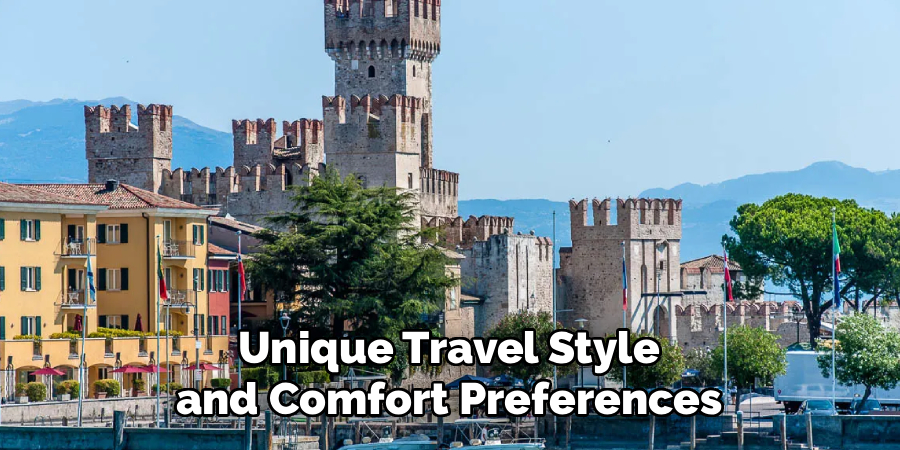
Your daily spending will largely depend on your unique travel style and comfort preferences. A budget traveler can comfortably get by on seventy to ninety euros a day.
Mid-range travelers should expect to spend around one hundred and fifty euros daily for nice meals and comfortable hotels. Getting from the airport to the city center usually takes forty minutes and costs roughly fifteen euros.
Taking high-speed trains will save you hours of transit time compared to cross-country bus rides. Keep in mind that prices spike dramatically during the peak summer tourist season.
Estimated Budget & Money-Saving Tips with Currency
A typical two-week mid-range trip will cost roughly two thousand euros, covering all your transportation, food, and lodging. To save money, always book your long-distance train tickets months in advance.
The local currency is the Euro (EUR), and currently, 1 USD is roughly equivalent to 0.90 EUR. While major restaurants and hotels gladly accept contactless credit cards, always carry small cash for cafes and street vendors.
Use bank-affiliated ATMs rather than independent tourist machines to avoid terrible conversion rates. Taking local public transit instead of private taxis will keep your expenses incredibly low.
Connectivity: SIM Cards & Essential Travel Apps
Staying connected is easy by purchasing a local SIM card directly at the arrival airport. Major telecom providers like TIM, Vodafone, and WindTre offer excellent tourist data plans for under thirty euros.
If your phone supports it, downloading a digital eSIM before your flight is incredibly convenient. You will need your physical passport to register any physical SIM card in the country.
Be sure to download Google Maps, Google Translate, and the Trenitalia app for checking train schedules. Downloading offline maps will save your data while navigating narrow, medieval streets.
Language & Local Etiquette
Italian is the official language, though English is widely spoken in all major tourist hubs. Learning a few simple phrases like “Buongiorno” (Good morning) and “Grazie” (Thank you) will earn you great respect.
Local culture highly values polite greetings before asking strangers for directions or ordering food. When visiting spectacular churches or religious sites, you must cover your shoulders and knees.
Tipping is not strictly required, but leaving a few extra euros for excellent restaurant service is appreciated. Avoid speaking loudly on quiet regional trains to respect the calm atmosphere.
Travel Tips
Knowing how to travel within Italy effectively requires a bit of smart preparation. Always plan your major transit routes and buy attraction tickets before you leave home.
Arrive at train stations at least twenty minutes early to locate your specific departure platform. Keep your digital boarding passes, passports, and travel insurance details organized in a single secure folder.
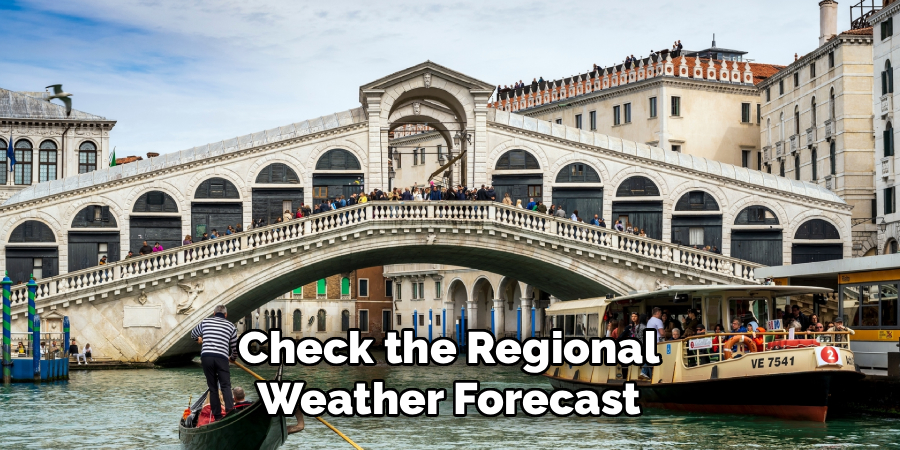
Pack light, as you will inevitably drag your luggage over uneven cobblestone streets and up narrow staircases. Finally, always check the regional weather forecast so you can dress in comfortable, appropriate layers.
Travel Safety, Common Scams & Mistakes to Avoid
General safety is very high, but travelers must always maintain basic situational awareness. The most common annoyance is skilled pickpockets operating in crowded tourist plazas and busy metro cars.
Never accept unsolicited help with your luggage from strangers hanging around the central train stations. Always ensure your taxi driver turns on the official meter to avoid being blatantly overcharged.
Keep your wallet in your front pocket and hold your bags securely in crowded spaces. Staying calm and alert will ensure your vacation remains entirely hassle-free.
Safety & Health Precautions
Tap water is perfectly safe to drink almost everywhere, so bring a reusable bottle to stay hydrated. Summer heat can be incredibly intense, making sunburns and heat exhaustion a real risk.
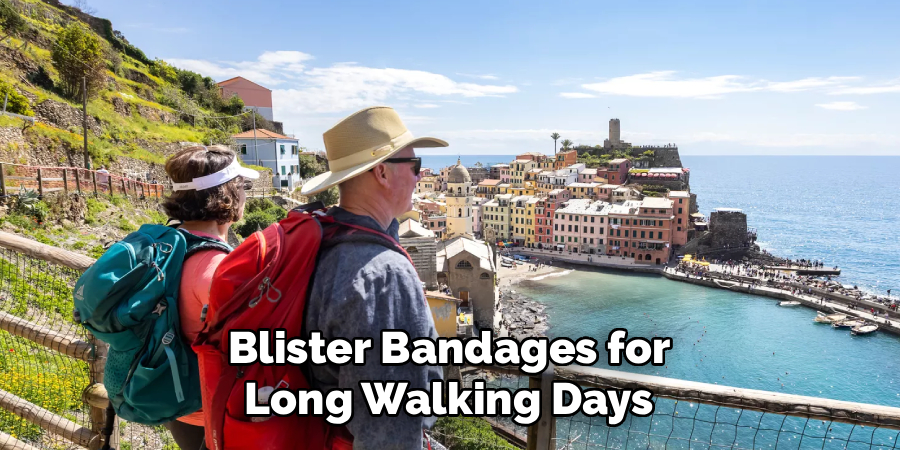
Pace yourself during daytime sightseeing and rest in the shade during the peak afternoon heat. Pack a small first-aid kit with basic pain relievers and blister bandages for long walking days.
Pharmacies are located on almost every corner and are incredibly helpful for minor health issues. Keep your emergency contact numbers written down physically in case your phone battery dies.
Frequently Asked Questions
What is the most scenic way to get around?
The regional trains traveling through the coastal villages of Cinque Terre offer the most breathtaking views. Renting a car to drive through the rolling hills of Tuscany is also a highly scenic option.
Is it difficult to figure out how to travel within Italy?
Not at all, as the public transit system is very modern, reliable, and user-friendly. High-speed rails connect all major cities, making cross-country trips incredibly simple for first-time visitors.
Are public buses reliable for tourists?
Yes, regional and city buses are quite reliable and highly affordable for budget travelers. However, they can sometimes run slightly behind schedule due to heavy local traffic during peak commuting hours.
Conclusion
Understanding how to travel within Italy will transform your entire vacation into a stress-free adventure. The country boasts an incredibly efficient and diverse transportation network suitable for every budget and timeline.
By planning your transit, you can safely and easily navigate from ancient cities to stunning coastlines. Enjoy your Mediterranean getaway, and always remember to validate your regional train tickets before boarding!

About
Ethan Brooks is a dedicated travel writer and tourism specialist with over a decade of experience exploring more than 150 countries. His professional focus centers on city routes and budget travel, where he combines real-world travel insights with efficient planning strategies.
Ethan is known for creating smart, well-structured travel systems that are practical, cost-effective, and easy to follow. As a core author at thetraveliy.com, he helps both first-time travelers and experienced explorers plan smooth, confident journeys.
Education
The University of Queensland (Australia) Bachelor’s Degree in Tourism Management
-
Focus: Global tourism systems, destination planning, and travel operations.
-
Specialization: Gained practical knowledge in travel logistics, itinerary development, and tourism industry structures.
Publications and Impact
At thetraveliy.com, Ethan Brooks publishes clear, structured, and experience-driven content focused on:
-
Transportation Logistics: Navigating complex transit systems with ease.
-
Itinerary Planning: Creating time-efficient schedules for any destination.
-
Budget-Friendly Solutions: Maximizing value without sacrificing the experience.
Ethan’s work simplifies complex travel decisions, making it easier for readers to plan efficient and affordable trips. By blending practical advice with real-world experience, he helps travelers create well-organized journeys while saving both time and money.