

Planning a trip to Ireland usually brings one breathtaking destination to mind. Knowing exactly how to visit Cliffs of Moher is essential for a smooth and memorable journey. This natural wonder is one of the most popular travel destinations on the Emerald Isle, offering stunning views of the Atlantic Ocean and rugged coastline. Proper travel planning is incredibly important because it saves time, reduces costs, and helps you avoid confusion upon arrival. In this guide, you will learn all about the best transport options, estimated costs, and essential travel tips. Getting around is generally quite easy, with a mix of buses, rental cars, and guided tours readily available.
Best Time to Visit & Seasonal Weather
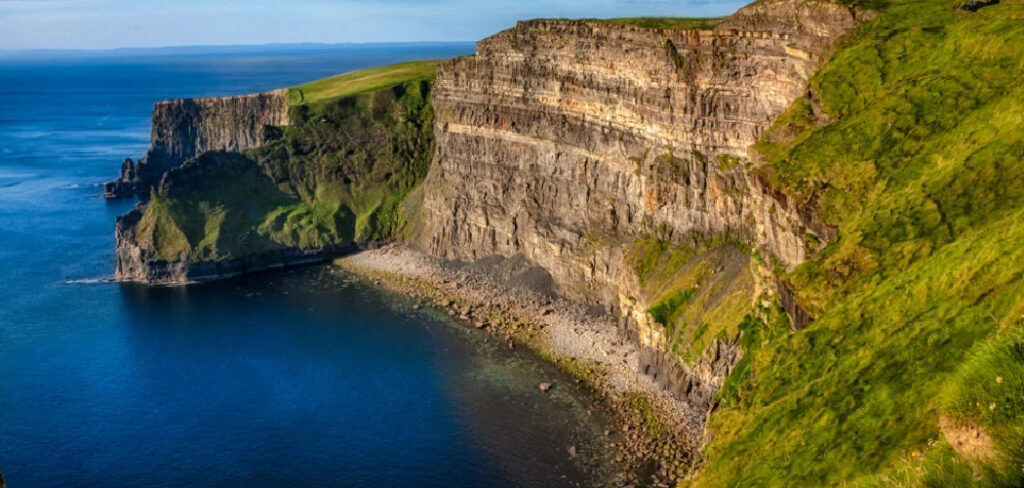
The best months to experience this majestic landscape are between April and September. During the summer, you can expect milder temperatures and longer daylight hours, though it is also the peak tourist season. Rainy and windy conditions are common year-round, but winter brings harsher weather and shorter days.
Summer highlights include vibrant green scenery and better visibility for taking photos. However, the off-season provides a quieter experience for those who prefer avoiding large crowds. Sightseers usually favor the warmer months, while budget travelers might appreciate the cheaper rates of late autumn. Always pack a windbreaker, as the coastal breeze is famously strong regardless of the season.
Visa & Entry Requirements for Tourists
Entering Ireland is a straightforward process for many international tourists. Citizens of the United States, Canada, and the UK enjoy visa-free entry for up to 90 days. Always ensure your passport is valid for at least six months beyond your planned departure date.
Upon arrival, immigration officers may ask to see a return ticket and proof of sufficient funds for your stay. You might also be asked for your hotel booking confirmation to verify your travel itinerary. The entry process is generally quick, consisting of a standard passport scan and a few simple questions. Always check the current entry rules before booking your flight to avoid surprises.
Travel Requirements
Carrying the right essential documents will make your journey completely stress-free. Your passport and a valid driver’s license are the most important items to keep handy, especially if you plan on renting a car. There are currently no mandatory health forms or vaccination requirements for tourists entering the country.
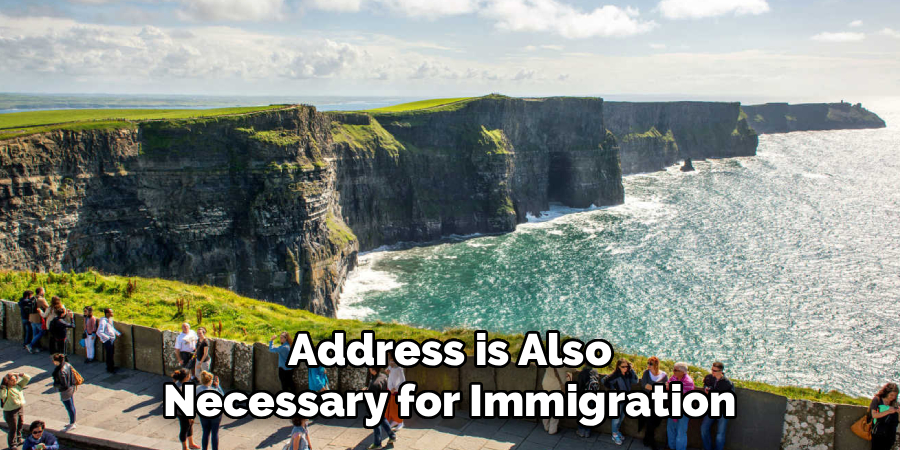
However, purchasing comprehensive travel insurance is highly recommended to cover unexpected delays or medical emergencies. Make sure you have your return ticket easily accessible on your phone or printed out. Having a digital or physical copy of your accommodation address is also necessary for immigration and navigation. Finally, keep a credit card and some local cash on hand for immediate expenses upon arrival.
How to Get There
The most convenient arrival point for international travelers is Shannon Airport, located roughly an hour away from the coast. Many visitors also fly into Dublin Airport, which connects to the western side of the country via well-maintained highways and regular train services. You can easily reach the western coastline by taking a scenic road trip, boarding a cross-country train to Galway, or hopping on a direct bus.
The travel duration from Dublin is typically around three to four hours by road. Daily transport options are abundant, meaning you can easily fit this natural wonder into a broader Irish itinerary. Renting a car at the airport gives you the ultimate freedom to explore at your own pace. The route is highly scenic, passing through charming villages and rolling green hills.
6 Essential Steps on How to Visit Cliffs of Moher
This section breaks down the main ways to plan your journey step by step. There are multiple ways to travel to the coast, depending on your schedule and budget.
Step 1: Choose a Direct Guided Tour
Booking a guided tour from Dublin or Galway is incredibly popular for first-time visitors. These tours usually take an entire day, lasting anywhere from eight to twelve hours, depending on your departure city. You can expect to pay a mid-range price, which often covers both transportation and your entry ticket. Comfort levels are generally high, as you travel in a modern, climate-controlled coach with an experienced driver. This option is best for travelers who want a completely stress-free experience without worrying about navigation.
Step 2: Rent a Car for Ultimate Flexibility
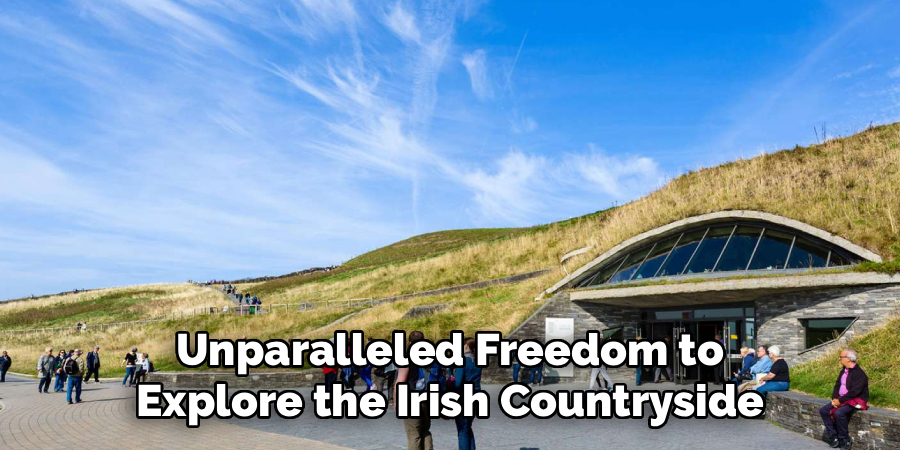
Renting a car at Shannon or Dublin airport provides unparalleled freedom to explore the Irish countryside. The drive takes about an hour from Shannon and over three hours from Dublin. The cost falls into the mid-range category, depending on your rental agreement and current fuel prices. Comfort is very high, allowing you to control the climate, music, and pacing of your journey. This option is perfect for independent travelers wanting to stop at small villages along the way. Just remember that driving in Ireland means navigating on the left side of the road.
Step 3: Take the Public Bus
Taking a public Bus Éireann service is a highly cost-effective way to reach the coast. The journey from Galway takes about two hours, with several daily departures available. Costs are quite low, making this a fantastic option for budget-conscious backpackers. Comfort levels are medium, as the buses are well-maintained but can get crowded during the peak summer season. This step is best for travelers who have flexible schedules and want to save money for other experiences. Keep an eye on the timetable, as evening return services can be limited.
Step 4: Travel by Train to Ennis or Galway
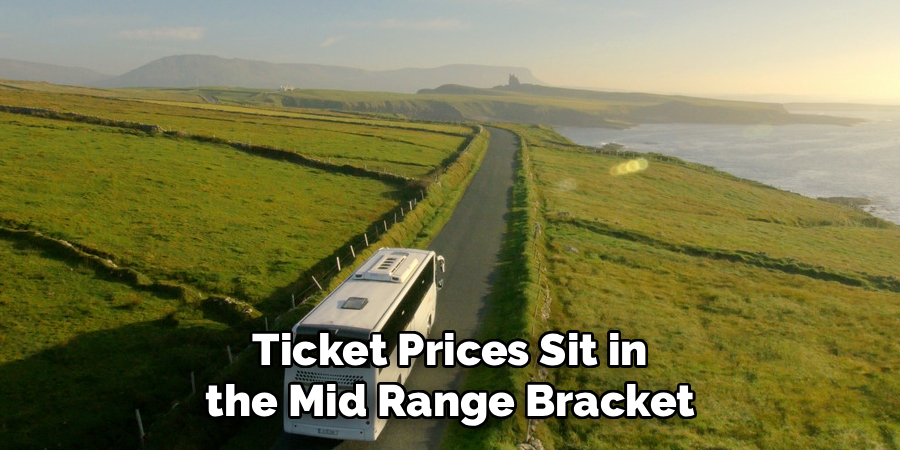
While there is no direct train to the cliffs, you can easily take a train from Dublin to nearby hubs like Ennis or Galway. The train ride takes roughly two and a half hours, offering a highly scenic and relaxing journey. Ticket prices sit in the mid-range bracket, especially if you book them online in advance. Trains offer a high level of comfort, complete with spacious seating, restrooms, and onboard Wi-Fi. This option is great for travelers who prefer stretching their legs rather than sitting in highway traffic.
Step 5: Hire a Private Driver
Hiring a private driver is a premium option for those seeking luxury and personalized service. Travel time is optimized since your driver knows the best local routes to avoid heavy tourist traffic. This is the most expensive option, placing it firmly in the high-budget category. Comfort is absolutely top-tier, often featuring high-end vehicles and complimentary refreshments. This is best for families, couples on a honeymoon, or travelers with limited mobility who need door-to-door service.
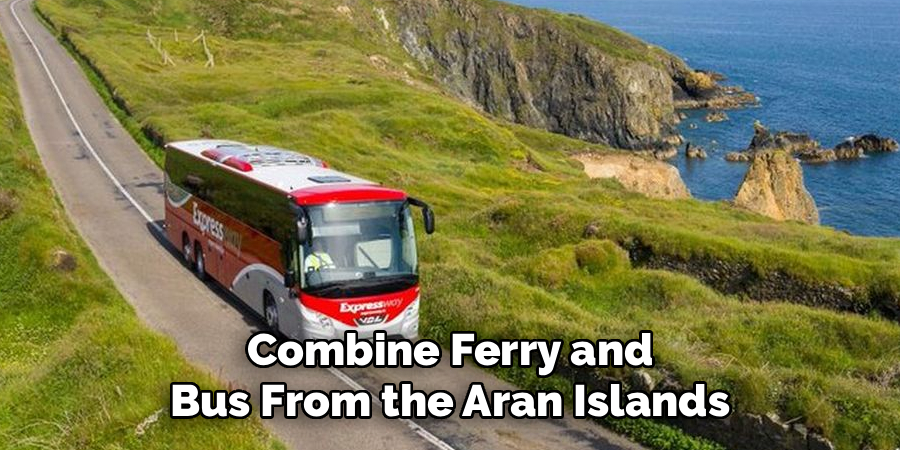
Step 6: Combine Ferry and Bus from the Aran Islands
For a truly unique perspective, you can take a passenger ferry from Doolin or the Aran Islands. The ferry ride takes about an hour and offers stunning views of the rock formations from the water below. Costs are moderate, and tickets can be easily booked at the local harbor. Comfort levels are medium, as the Atlantic waters can sometimes be a bit choppy. This choice is ideal for adventurous sightseers wanting to combine multiple natural attractions into one unforgettable day out.
Pros and Cons of Each Travel Option
Every travel option comes with its own unique advantages and disadvantages to consider. Renting a car offers maximum flexibility and speed, but driving on narrow country roads can be stressful for some. Guided tours are incredibly convenient and educational, though they offer limited free time to explore independently.
Public buses are highly budget-friendly, but they adhere to strict schedules that might not align with your preferred pacing. Trains provide a comfortable and scenic ride, yet they require an additional bus or taxi transfer to reach the coast. Weighing these pros and cons will help you choose the best transport method for your specific travel style.
Best Way to Travel
The absolute best overall travel option for most visitors is renting a car. This choice provides the perfect balance of flexibility, comfort, and reasonable cost if traveling with a group. Having your own vehicle allows you to arrive early in the morning or stay late for sunset, avoiding the busiest coach tour hours.
You also get the freedom to explore the surrounding Burren region at your own pace. While guided tours are a close second for convenience, driving simply offers an unmatched level of personal freedom. It caters perfectly to the average traveler’s needs without breaking the bank.
Top Attractions & Must-Visit Places
The visitor center itself is an incredible starting point, featuring interactive exhibits about local geology and wildlife. O’Brien’s Tower is a historic observation point offering the highest and most spectacular vantage point of the coastline. The Burren, a unique rocky landscape nearby, is an absolute must-see for nature lovers and photographers.
Doolin Village, located just a short drive away, is famous for its traditional Irish music and colorful houses. Be sure to walk the official coastal trail for uninterrupted views of the crashing Atlantic waves. Arriving early in the morning guarantees a more peaceful experience before the large tour buses arrive.

Best Areas to Stay / Accommodation
Doolin is arguably the best village to stay in, offering charming bed and breakfasts and lively local pubs. For those seeking mid-range to luxury options, the town of Lahinch provides excellent hotels and a beautiful sandy beach. Galway City is a fantastic base for travelers wanting a mix of vibrant nightlife and easy day-trip access.
Budget backpackers will find excellent hostels in both Galway and Doolin, providing great value and social atmospheres. Staying in these areas ensures you are conveniently close to transport links and major attractions. Booking well in advance is highly recommended, especially if you plan to visit during the busy summer months.
Food & Local Cuisine
Irish cuisine in this coastal region is hearty, comforting, and deeply rooted in local traditions. Seafood chowder and freshly baked soda bread are absolute must-try staples for any first-time visitor. You will easily find fantastic traditional pubs serving classic dishes like fish and chips or slow-cooked beef and Guinness stew.
A typical pub meal falls comfortably within a mid-range budget, offering generous portions that will keep you fueled for exploring. Doolin is a famous food hub where you can enjoy your meal alongside live traditional music. Vegetarian and vegan options are becoming increasingly common in most local restaurants and cafes.
Travel Cost & Time
Understanding travel costs and transit times will help you budget your trip perfectly. A budget traveler can expect to spend around 80 to 100 USD per day, covering hostel accommodation, public transport, and pub meals. Mid-range travelers will likely spend closer to 200 USD daily for a rental car, private hotel rooms, and sit-down dinners.
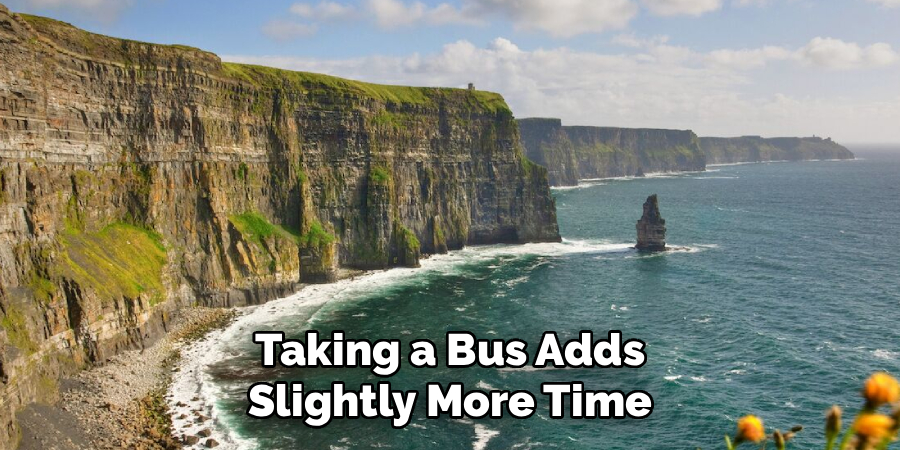
Driving from Shannon Airport takes roughly one hour, while the journey from Dublin takes over three hours. Taking a bus adds slightly more time due to scheduled stops along the route. Traveling during the off-peak season can significantly reduce accommodation and rental car costs.
Estimated Budget & Money-Saving Tips with Currency
A comfortable mid-range budget for a three-day coastal trip usually ranges from 400 to 600 USD. To save money, consider booking your rental car and accommodation several months in advance. Traveling during the shoulder seasons of spring and autumn also yields fantastic discounts on lodging.
The local currency is the Euro (EUR), and 1 USD is generally equivalent to about 0.90 to 0.95 EUR. Credit and debit cards with contactless features are widely accepted in visitor centers, hotels, and restaurants. However, keeping some small Euro notes on hand is smart for tipping or buying snacks in rural villages. Always decline dynamic currency conversion at ATMs to avoid paying unnecessary hidden bank fees.
Connectivity: SIM Cards & Essential Travel Apps
Staying connected during your trip is very easy, with SIM cards available right at the airport arrivals hall. Major telecom providers like Vodafone and Three offer generous tourist data plans with fast 4G and 5G speeds. If your smartphone is compatible, purchasing a prepaid eSIM online before your trip is incredibly convenient.
You will need an unlocked phone to use local networks, but ID is rarely strictly checked for basic prepaid SIMs. Essential travel apps include Google Maps for navigation and the official local transport apps for checking bus times. Downloading offline maps is highly recommended since cell reception can be spotty along the rural coastline.
Language & Local Etiquette
English is the primary language spoken throughout Ireland, making communication incredibly easy for American tourists. You might also see signs in Irish (Gaeilge), but everyone you meet will speak fluent English. Locals are famously friendly, so a polite “hello” and a smile go a very long way in pubs and shops.
General etiquette is relaxed, but always respect local farmers’ fences and stick to marked walking trails. Tipping around 10 percent in sit-down restaurants is customary if a service charge hasn’t already been added. Always pack layers and a rain jacket, as dressing practically for unpredictable weather is a local norm.
Travel Tips
Knowing how to visit the Cliffs of Moher smoothly requires just a little bit of preparation. Always book your visitor center tickets online ahead of time to secure the best rates and guaranteed entry. Arrive either very early in the morning or late in the afternoon to avoid the heaviest crowds.

Keep important travel documents organized in a secure, waterproof bag, as sudden rain showers are common. Pack light but smart, focusing on sturdy walking shoes and windproof clothing. Check the local weather forecast each morning, and use navigation apps to monitor real-time road conditions.
Travel Safety, Common Scams & Mistakes to Avoid
Ireland is a very safe destination, but basic travel safety awareness is always important. Scams are incredibly rare, though you should always ensure you are using licensed taxis when in larger cities. The most common mistake tourists make is wandering too close to the unguarded cliff edges for a photograph.
Always stay on the officially marked paved pathways to ensure your absolute safety. Keep your valuables secure in zippered bags, particularly in busy visitor center areas or crowded pubs. Do not leave luggage visible in your rental car when parked at rural trailheads.
Safety & Health Precautions
Combining general safety with practical health precautions will ensure a completely worry-free vacation. The coastal winds can be deceptively strong, so always maintain a safe distance from sudden drop-offs. Hydration and basic hygiene are easy to manage, as tap water in Ireland is perfectly safe to drink.
Carrying a small first-aid kit with basic bandages and motion sickness pills is smart if you plan on taking a ferry. Food safety standards are extremely high, so you can enjoy local dairy and seafood without any concern. Always keep your hotel’s phone number and local emergency contacts saved in your phone.
Frequently Asked Questions
What is the best way to visit the Cliffs of Moher?
Renting a car is the best option for flexibility and comfort. It costs a mid-range amount but allows you to avoid peak tour bus crowds and explore the surrounding Burren region easily.

How long should I spend at the site?
Most visitors spend about two to three hours walking the trails and exploring the visitor center. This provides ample time to take photographs, visit O’Brien’s Tower, and grab a quick coffee.
Is there an entry fee?
Yes, there is an admission fee, which covers parking and access to the visitor center exhibits. Booking online in advance is slightly cheaper and highly recommended to guarantee your entry time.
Conclusion
Understanding how to visit Cliffs of Moher ensures that your trip to the Irish coast is nothing short of spectacular. The journey is incredibly safe, easy to navigate, and deeply rewarding for nature lovers of all ages. Proper planning regarding your transport and seasonal weather will help you maximize your time at this breathtaking natural wonder. Pack your sturdiest walking shoes, bring a great camera, and get ready for an unforgettable Irish adventure.

About
Ethan Brooks is a dedicated travel writer and tourism specialist with over a decade of experience exploring more than 150 countries. His professional focus centers on city routes and budget travel, where he combines real-world travel insights with efficient planning strategies.
Ethan is known for creating smart, well-structured travel systems that are practical, cost-effective, and easy to follow. As a core author at thetraveliy.com, he helps both first-time travelers and experienced explorers plan smooth, confident journeys.
Education
The University of Queensland (Australia) Bachelor’s Degree in Tourism Management
-
Focus: Global tourism systems, destination planning, and travel operations.
-
Specialization: Gained practical knowledge in travel logistics, itinerary development, and tourism industry structures.
Publications and Impact
At thetraveliy.com, Ethan Brooks publishes clear, structured, and experience-driven content focused on:
-
Transportation Logistics: Navigating complex transit systems with ease.
-
Itinerary Planning: Creating time-efficient schedules for any destination.
-
Budget-Friendly Solutions: Maximizing value without sacrificing the experience.
Ethan’s work simplifies complex travel decisions, making it easier for readers to plan efficient and affordable trips. By blending practical advice with real-world experience, he helps travelers create well-organized journeys while saving both time and money.